坤灵最新logo-scaled-1.png)
Introduction: The Evolving Role of Tissue Processing in Pathology Labs
In modern pathology laboratories, tissue processing has become one of the most critical determinants of diagnostic quality and operational efficiency. As case volumes continue to rise and turnaround time expectations become more stringent, laboratories are under increasing pressure to standardize workflows while maintaining consistent histological quality.
Automated tissue processors now serve not merely as standalone instruments, but as integral components within a broader pathology workflow—bridging specimen reception, embedding, sectioning, and downstream diagnostic interpretation.
Key Challenges in Contemporary Tissue Processing
Increasing Sample Throughput Without Compromising Quality
Pathology laboratories today face a dual challenge: handling higher specimen volumes while ensuring reproducible tissue morphology. Manual intervention and fragmented processing steps often introduce variability, leading to inconsistent dehydration, incomplete infiltration, or processing delays.
Workflow Fragmentation in Traditional Processing Setups
In many laboratories, dehydration, clearing, infiltration, and embedding are performed using separate systems or semi-automated devices. This fragmentation increases:
1.Sample handling frequency
2.Risk of processing errors
3.Dependency on operator experience
Such workflows are difficult to scale, particularly in high-throughput hospital pathology departments.
Safety and Environmental Considerations
Traditional open processing systems may expose laboratory staff to reagent vapors and temperature fluctuations. As laboratory safety standards evolve, enclosed and controlled processing environments are increasingly becoming a baseline requirement rather than a premium feature.
Technology Trends in Automated Tissue Processor Integration
From Standalone Devices to Workflow-Centric Systems
A clear trend in pathology laboratory design is the shift toward integrated tissue processing platforms. Automated tissue processors are now expected to support:
1.Programmable protocols for diverse tissue types
2.Consistent reagent management
3.Seamless transition between dehydration and embedding stages
Integration reduces manual transfer steps and improves overall process reliability.
Enclosed Processing and Intelligent Control Systems
Fully enclosed processing chambers, combined with digital temperature control and programmable workflows, are increasingly adopted to:
1.Minimize reagent evaporation
2.Enhance operator safety
3.Improve reproducibility across batches
Intelligent control interfaces also allow laboratories to customize protocols according to case mix, rather than adapting workflows to rigid machine settings.
Scalability for Different Laboratory Sizes
Another major trend is scalable throughput design. Rather than a one-size-fits-all approach, modern tissue processors are offered in multiple capacity configurations, enabling laboratories to align equipment selection with daily specimen volume and future growth plans.
Integrated Processing as a Solution-Oriented Approach
Combining Dehydration and Embedding for Efficiency
Integrated tissue processor designs that combine dehydration and embedding into a unified workflow help laboratories:
1.Reduce total processing time
2.Minimize sample handling
3.Improve batch-to-batch consistency
This approach is particularly valuable in laboratories with limited space or staffing constraints.
Supporting Standardization Across the Pathology Workflow
Automation and integration allow laboratories to establish standardized processing protocols that are less dependent on individual operator experience. This standardization is essential for:
1.Multicenter hospital networks
2.Regional pathology centers
3.Laboratories pursuing accreditation or quality system alignment
Practical Considerations for Laboratory Decision-Makers
When evaluating automated tissue processor integration, laboratories typically consider:
1.Daily and peak specimen throughput
2.Need for integrated dehydration and embedding workflows
3.Laboratory layout and safety requirements
4.Long-term scalability and service support
Selecting systems that align with actual laboratory workflows—rather than theoretical capacity—plays a decisive role in long-term efficiency.
Industry Perspective: Applied Solutions in Practice
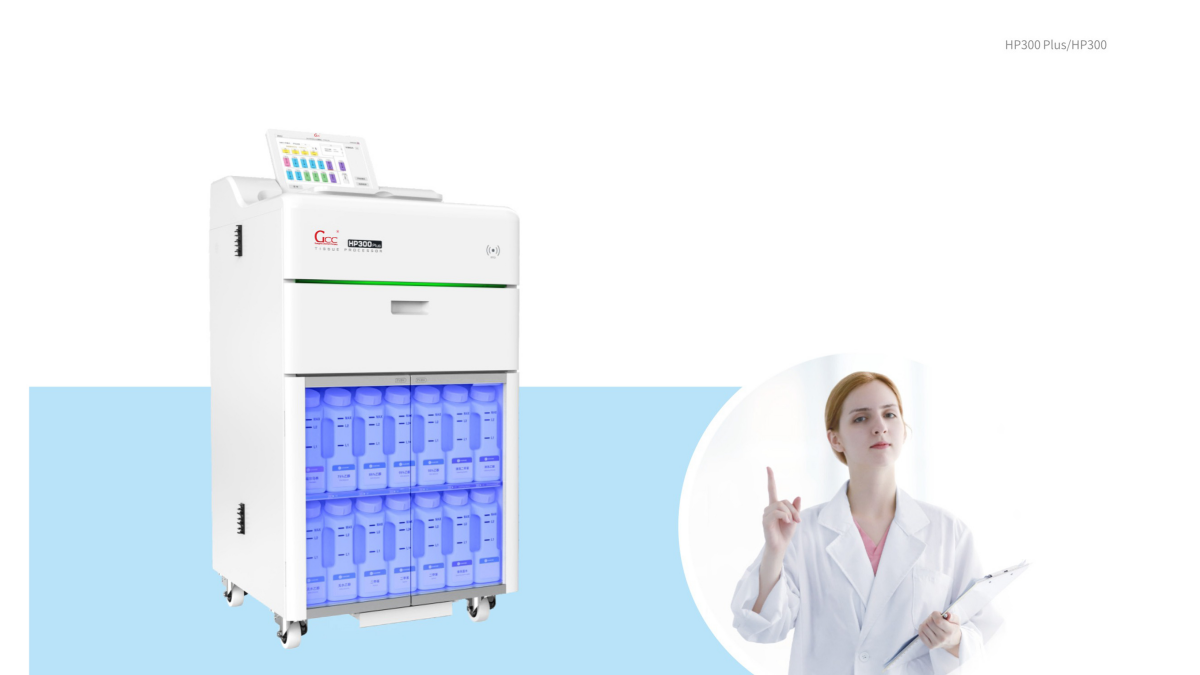
Within this evolving landscape, platforms such as the Tissue Processor GCC pathology series reflect the industry’s movement toward integrated, enclosed, and scalable tissue processing solutions. Designed around laboratory workflow requirements rather than isolated functions, such systems illustrate how automation can support both efficiency and consistency in routine pathology operations.
Conclusion: Toward Efficient and Sustainable Pathology Workflows
As pathology laboratories continue to evolve, automated tissue processor integration is no longer a technological upgrade—it is a workflow strategy. By addressing throughput demands, safety considerations, and process standardization simultaneously, integrated tissue processing systems enable laboratories to maintain diagnostic quality while adapting to growing operational pressures.
The future of tissue processing lies in systems that are not only automated, but intelligently aligned with the real-world needs of pathology laboratories.