坤灵最新logo-scaled-1.png)
Introduction
In medical and pathology laboratories, tissue preparation is a foundational step that directly affects diagnostic accuracy and turnaround time. A tissue processor is designed to standardize and automate the preparation of tissue samples before sectioning and staining. As laboratory workloads continue to increase, reliable tissue processing systems have become an essential part of modern pathology infrastructure.
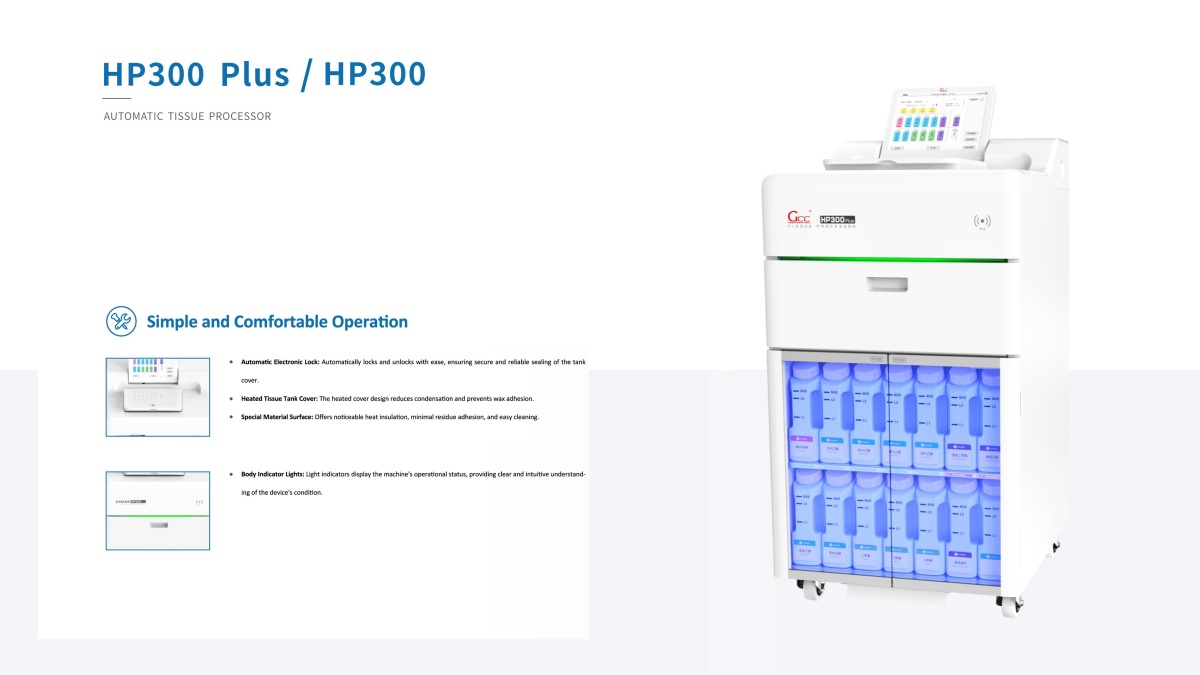
The Importance of Tissue Processing in Diagnostic Workflows
Tissue processing involves multiple critical steps, including dehydration, clearing, and infiltration. Each step must be carefully controlled to preserve tissue morphology and cellular detail. Inconsistent processing can result in poor section quality, staining issues, or the need for repeat procedures, all of which may delay diagnosis.
For this reason, medical and pathology laboratories place high importance on stable and repeatable tissue processing conditions. Automated systems help ensure that samples are processed under consistent parameters, reducing variability between batches and operators.
Advantages of Automated Tissue Processors
Compared with manual or semi-manual methods, automated tissue processors offer clear operational benefits. First, automation improves processing efficiency by allowing laboratories to handle larger sample volumes with the same staffing levels. Second, standardized programs reduce the risk of human error during complex processing sequences.
In addition, automated systems provide better traceability and process control. This supports quality management requirements commonly applied in hospital pathology departments and independent diagnostic laboratories.
Adapting to Different Laboratory Scales and Workloads
Medical and pathology laboratories vary significantly in size and daily sample volume. Smaller laboratories may focus on routine diagnostic cases, while larger hospital centers and reference laboratories often manage high-throughput workflows.
Therefore, selecting a tissue processing system that matches actual workload demands is critical. Appropriately sized systems help laboratories maintain efficiency without unnecessary energy consumption or idle capacity. At the same time, scalable configurations allow laboratories to adapt as diagnostic demand increases over time.
Workflow Integration and Laboratory Efficiency
Tissue processors do not operate in isolation. Their performance is closely linked to upstream and downstream laboratory processes, such as specimen grossing, embedding, microtomy, and staining.
When tissue processing systems are well integrated into the overall laboratory workflow, laboratories benefit from smoother scheduling, predictable turnaround times, and improved coordination among technical staff. Over time, this integration supports standardized operating procedures and more efficient laboratory management.
Reliability and Long-Term Operation in Clinical Environments
Medical and pathology laboratories require equipment that can operate reliably over extended periods. Downtime may affect diagnostic timelines and clinical decision-making. For this reason, system durability, ease of maintenance, and technical support are important considerations.
Well-designed tissue processors are built to support continuous operation and long-term stability. Clear technical documentation and structured service support further help laboratories maintain consistent performance and reduce operational risks.
Frequently Asked Questions
How does a tissue processor work in histopathology?
A tissue processor automates the dehydration, clearing, and paraffin infiltration of tissue specimens. It moves samples through graded alcohols, xylene, and molten paraffin under controlled temperature and vacuum conditions. What is a Tissue Processor
Automatic vs manual tissue processor — which one is right for your lab?
Automatic tissue processors offer higher throughput, consistent results, and reduced technician involvement, making them ideal for busy labs. Manual processors may suit smaller facilities with lower specimen volumes. Automatic vs Manual Tissue Processors
How to choose a tissue processor based on daily processing volume?
Your daily specimen volume is the primary factor. Low-volume labs (under 50 samples/day) may use smaller benchtop models, while high-throughput labs (100+ samples/day) need larger capacity systems with multiple processing chambers. Tissue Processor Selection
What ventilation is required for tissue processors?
Tissue processors use xylene and other solvents that require proper ventilation. Fume extraction and room ventilation systems are essential to maintain safe air quality in histology laboratories. Tissue Processor Ventilation
What is a microtome and how does it work?
A microtome is a precision instrument used to cut extremely thin tissue sections (typically 2-10 micrometers) for microscopic examination. It advances the specimen block across a blade with micron-level accuracy. Microtome Guide
Conclusion
Tissue processors play a central role in medical and pathology laboratories by supporting consistent sample preparation and efficient diagnostic workflows. As laboratory demands continue to evolve, automated tissue processing systems provide the stability, efficiency, and standardization required for high-quality pathology services.
By selecting tissue processing solutions that align with laboratory workload, space, and long-term development plans, medical and pathology laboratories can strengthen their diagnostic capabilities and support sustainable growth.