坤灵最新logo-scaled-1.png)
A Tissue Processor is a key piece of equipment in universities and research laboratories that focus on pathology, histology, and life science research.
In these environments, laboratories must balance teaching needs, research accuracy, and long-term equipment reliability.
Therefore, selecting the right tissue processing system becomes an important decision for academic institutions.
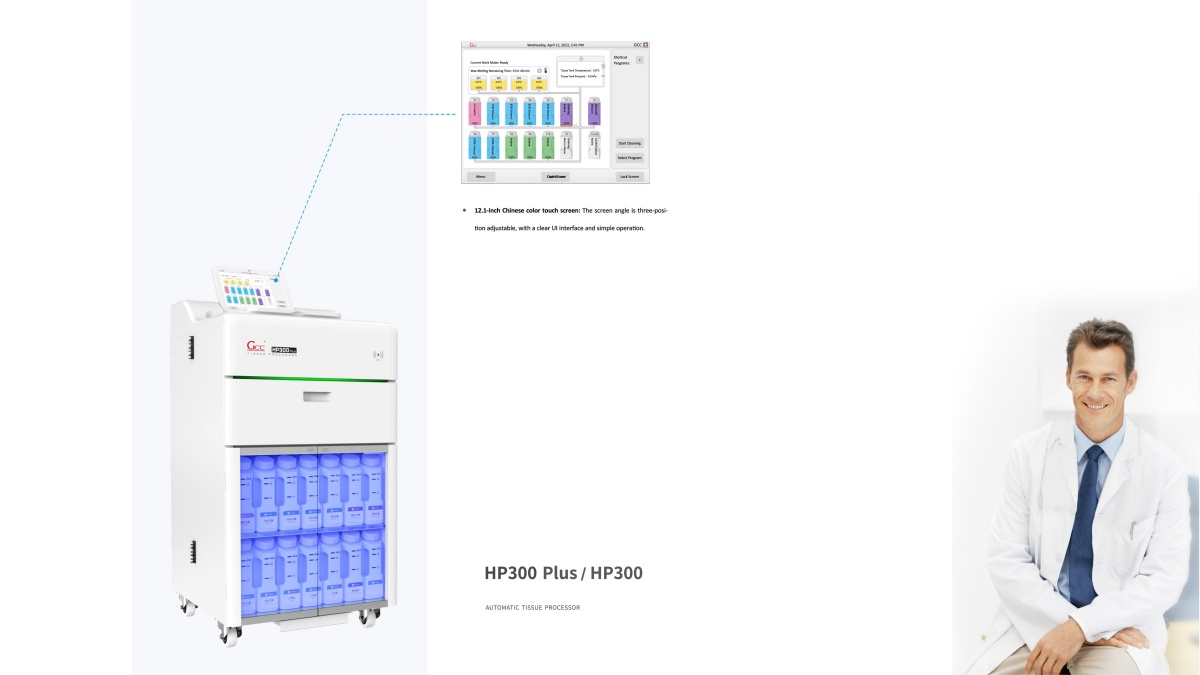
Tissue Processing Requirements in Universities and Research Institutes
University and research laboratories often manage a wide range of tissue samples.
These samples may come from teaching demonstrations, student training, or scientific research projects.
In addition, sample volumes often change during semesters, grant cycles, or experimental phases.
As a result, laboratories need equipment that can handle both small batches and extended processing schedules.
Key requirements usually include:
- Stable processing conditions
- Flexible program settings
- Easy operation for students and researchers
Supporting Research Accuracy Through Consistent Processing
In research environments, consistency matters.
If tissue processing conditions vary, experimental results may become unreliable.
For this reason, laboratories rely on systems that provide:
- Stable temperature and reagent control
- Repeatable processing programs
- Consistent tissue quality across multiple runs
Moreover, stable tissue preparation helps researchers compare results over time and across different studies.
Flexible Workflow Design for Teaching and Research Use
Unlike routine clinical laboratories, academic facilities often combine teaching and research workflows.
Therefore, flexibility becomes a key advantage.
Modern tissue processing systems allow users to:
- Adjust programs for different sample types
- Run short cycles for teaching purposes
- Configure longer protocols for research studies
Consequently, laboratories can support multiple users without disrupting daily operations.
Equipment Reliability for Long-Term Academic Projects
Research projects may last months or even years.
During this time, equipment stability directly affects laboratory productivity.
For universities and research institutes, reliable systems help to:
- Reduce unexpected downtime
- Maintain consistent sample quality
- Lower long-term maintenance costs
As a result, laboratories can focus more on research outcomes rather than equipment issues.
Integration with Academic Laboratory Infrastructure
In most academic facilities, tissue processing equipment operates alongside other pathology instruments.
Therefore, compatibility and layout planning are important.
Well-matched systems integrate smoothly with:
- Grossing stations
- Embedding and sectioning equipment
- Laboratory information workflows
This integrated approach improves efficiency and reduces unnecessary manual handling.
GCC Support for Universities and Research Laboratories
As a manufacturer of pathology laboratory equipment, GCC supports universities and research institutes with practical technical guidance.
From early-stage planning to long-term use, GCC assists laboratories in selecting suitable configurations based on real operating needs.
Building a Reliable Foundation for Academic Research
In conclusion, tissue processing systems serve as a foundational tool for universities and research laboratories.
With stable performance, flexible operation, and long-term reliability, these systems help support teaching activities and scientific discovery alike.
Choosing the right solution allows academic laboratories to maintain consistency, improve efficiency, and support future research growth.
Frequently Asked Questions
How does a tissue processor work in histopathology?
A tissue processor automates the dehydration, clearing, and paraffin infiltration of tissue specimens. It moves samples through graded alcohols, xylene, and molten paraffin under controlled temperature and vacuum conditions. What is a Tissue Processor
Automatic vs manual tissue processor — which one is right for your lab?
Automatic tissue processors offer higher throughput, consistent results, and reduced technician involvement, making them ideal for busy labs. Manual processors may suit smaller facilities with lower specimen volumes. Automatic vs Manual Tissue Processors
How to choose a tissue processor based on daily processing volume?
Your daily specimen volume is the primary factor. Low-volume labs (under 50 samples/day) may use smaller benchtop models, while high-throughput labs (100+ samples/day) need larger capacity systems with multiple processing chambers. Tissue Processor Selection
What ventilation is required for tissue processors?
Tissue processors use xylene and other solvents that require proper ventilation. Fume extraction and room ventilation systems are essential to maintain safe air quality in histology laboratories. Tissue Processor Ventilation
What equipment is needed for a histology laboratory?
A complete histology lab requires grossing stations, tissue processors, embedding stations, microtomes, water baths, staining systems, coverslippers, microscopes, and fume hoods. Histology Lab Equipment List