坤灵最新logo-scaled-1.png)
In daily pathology work, medical personnel frequently handle unfixed tissue specimens, blood, bodily fluids, and various chemical reagents. These materials may contain potential pathogens, such as hepatitis B virus (HBV), hepatitis C virus (HCV), human immunodeficiency virus (HIV), Mycobacterium tuberculosis, and even unknown infectious agents. Therefore, a Biological Safety Cabinet (BSC) becomes an indispensable protective device in pathology labs. It serves as a critical barrier to safeguard staff health and ensure diagnostic quality.
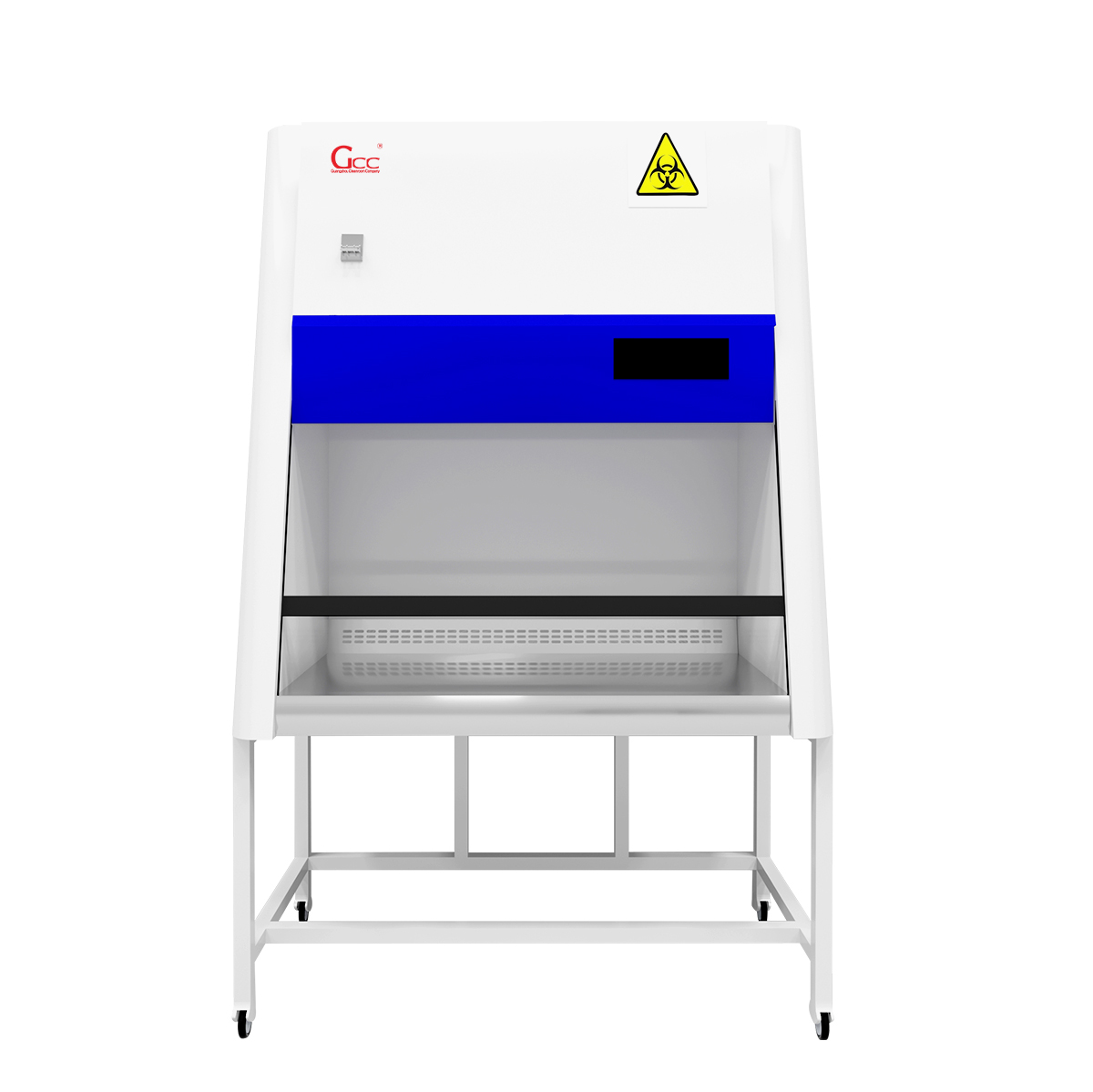
Why Pathology Labs Must Use Biological Safety Cabinets
Pathology labs face unique operational conditions, encountering both biological and chemical hazards:
1. Biological Hazards (Biohazards)
- Sources: Fresh surgical tissue specimens, frozen section samples, body fluid extracts (pleural, pericardial effusions), blood specimens, and cytology aspirates.
- Risks: During sample handling, weighing, description, or dissection, these materials can generate aerosols containing pathogens or cause splashes and accidental exposure.
2. Chemical Hazards
- Sources: Volatile chemicals frequently used in pathology labs, such as formaldehyde, xylene, and ethanol. Formaldehyde is a known carcinogen, and its pungent odor and health risks cannot be ignored.
Standard clean benches or fume hoods cannot simultaneously address both biohazards and chemical hazards. Only specific types of biological safety cabinets provide comprehensive protection for pathology operations.
Recommended Type of BSC for Pathology Labs
For pathology labs, a Class II B2 (total exhaust) Biological Safety Cabinet is the most suitable and recommended choice.
1. Working Principle:
- All air entering the cabinet (including air drawn from the front opening and downflow clean air) passes 100% through HEPA filters and is completely exhausted outside the building without recirculation.
2. Core Advantages:
- Chemical Protection: Complete external exhaust prevents accumulation of toxic chemicals like formaldehyde and xylene, offering excellent chemical safety.
- Biological Protection: Provides triple containment protection (personnel, product, environment) to effectively isolate pathogen aerosols.
- Application Scenarios: Ideal for gross tissue specimen handling, cytology slide preparation, and liquid-based cytology (TCT) operations.
Important Notes:
- Avoid Using: Class II A2 cabinets (70% recirculated air) are unsuitable for operations involving highly volatile chemicals because chemical vapors can damage HEPA filters and accumulate inside the cabinet.
- Strictly Prohibited: Standard clean benches blow air toward the user, exposing personnel directly to aerosols and toxic chemicals. These are unsafe for pathology labs handling both biohazards and chemical hazards.
Key Applications of BSCs in Pathology Labs
- Gross Tissue Specimen Handling: The highest-risk and most critical process. Fresh surgical specimens (tumors, organs, tissues) must be dissected, measured, described, and sampled inside a B2-type BSC.
- Frozen Section Preparation: During intraoperative frozen sections, samples are fresh and high-risk. Cryostats should be placed near or inside the BSC for safe handling.
- Cytology Sample Processing: Includes body fluids (pleural, peritoneal, sputum, brushings) and fine-needle aspirates (FNA) for slide preparation or liquid-based cytology.
- Special Tests and Microbiology Operations: Pre-processing of specimens for microbial culture or PCR-based molecular testing should also be conducted inside the BSC.
Pathology BSC Operating Guidelines
- Personal Protective Equipment (PPE): Even inside the cabinet, operators must wear gowns, waterproof aprons, double gloves, goggles, or face shields.
- Proper Placement of Materials:
- Clean Zone: Sample tools and specimen bags.
- Work Zone: Sample containers and cutting boards.
- Contaminated Zone: Processed specimens and waste tissue.
- Never block front or rear air grilles.
- Operation: Move gently to minimize turbulence. Use sharp instruments to reduce tissue compression and aerosol generation. Dispose of blades, gauze, and waste tissue as medical waste.
- Disinfection and Cleaning: At the end of each workday, thoroughly wipe all cabinet surfaces with pathogen-effective disinfectants compatible with cabinet materials (e.g., 70% ethanol).
- Certification and Maintenance: BSCs must undergo annual performance testing and certification to ensure proper airflow and HEPA filter integrity. Check pressure gauges before daily use to confirm normal operation.
Conclusion
For pathology labs, a biological safety cabinet is not an optional “advanced workbench”; it is the cornerstone of laboratory biosafety. Investing in and properly using a suitable B2-type BSC demonstrates a strong commitment to the health of medical staff and forms a core component of quality management and safety culture. It serves as a shield against unknown risks while ensuring that pathology diagnostic work can proceed safely, accurately, and sustainably.