坤灵最新logo-scaled-1.png)
Introduction
Pathology laboratories are at the heart of modern medicine, providing critical insights into disease diagnosis, treatment decisions, and patient outcomes. To ensure precision and reliability, pathology labs depend on a variety of pathology lab instruments—from traditional grossing stations and microtomes to advanced tissue processors, cryostats, and digital imaging systems.
This guide presents a detailed overview of essential equipment, highlighting their functions, technical specifications, material composition, and selection considerations for optimal laboratory performance.
I. Grossing Stations: The Primary Interface for Specimen Examination
Grossing stations are the initial point of contact for surgical and biopsy specimens. They provide a safe, ergonomic, and well-ventilated environment for tissue dissection, description, and sampling.
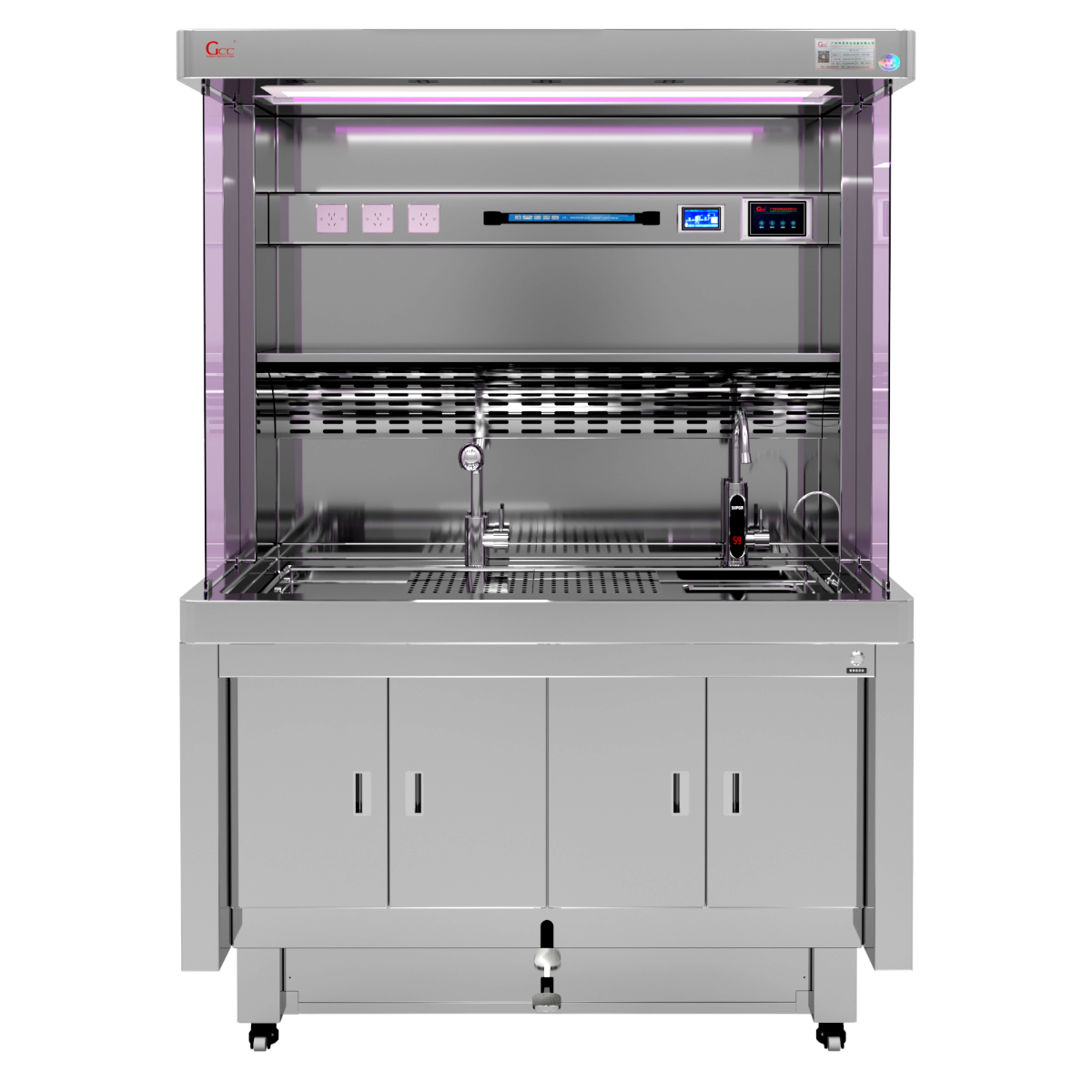
1.1 Functional Components and Technical Parameters
- Ventilation System: Downdraft or backdraft systems capture formalin and chemical vapors. Typical face velocity: 100–150 fpm; noise level: <65 dBA.
- Work Surface: Stainless steel (304 or 316) or solid epoxy resin; resistant to chemicals and easy to disinfect.
- Integrated Components: May include sinks, task lighting, dictation systems, calibrated scales, and specimen storage drawers.
1.2 Configuration and Material Options
| Feature | Standard | Premium | Advantages/Disadvantages |
|---|---|---|---|
| Work Surface Material | 304 SS | 316 SS / Epoxy | 304 SS: cost-effective, good chemical resistance. 316 SS/Epoxy: superior durability, chemical resistance |
| Ventilation Type | Standard Downdraft | Dual/Perimeter Extraction | Standard: sufficient for most specimens. Dual/Perimeter: enhanced containment for high-risk or large specimens |
| Automation | Manual | Programmable airflow, digital display | Manual: simple operation. Automated: improved reproducibility, user tracking, energy efficiency |
Selection Insight: For high-volume oncology labs, premium stations with enhanced airflow and chemical resistance improve safety and workflow efficiency.
II. Tissue Processors: Automating Dehydration and Infiltration
Tissue processors automate dehydration, clearing, and paraffin embedding—preparing samples for microtomy.
2.1 Key Technical Specifications
- Capacity: 50–300+ cassettes; align throughput with lab workload.
- Processing Modalities: Vacuum and pressure cycles improve reagent penetration and reduce processing time.
- Reagent Management: Closed systems minimize exposure; open systems require robust ventilation.
- Programmability: Store protocols for various tissue types (biopsy, surgical, bone).
2.2 Comparison of Closed vs. Open Systems
| System Type | Key Characteristics | Advantages | Disadvantages |
|---|---|---|---|
| Closed | Sealed reagents, minimal vapor | Improved safety, reduced reagent use, consistent processing | Higher initial cost, less flexibility mid-cycle |
| Open | Reagents exposed, external ventilation required | Lower cost, flexible protocols | Higher reagent evaporation, contamination risk |
III. Microtomes and Cryostats: Precision Sectioning
These instruments cut thin tissue sections for microscopic examination.
3.1 Microtomes for Paraffin Sections
- Type: Rotary microtomes standard; sledge microtomes for hard tissues.
- Section Thickness: Adjustable 1–60 µm; 3–5 µm standard for H&E staining.
- Critical Features: Coarse/fine advancement, knife stability, anti-roll guides.
- Material: Heavy cast-iron bases for vibration dampening.
3.2 Cryostats for Frozen Sections
- Function: Maintain -15°C to -30°C for intraoperative frozen tissue sections.
- Key Parameters: Cooling speed, temperature stability, section thickness (5–20 µm).
- Configurations: Manual vs. automated (motorized sectioning, specimen orientation).
Selection Insight: Automated cryostats benefit high-volume intraoperative labs; manual models suffice for routine diagnostics.
IV. Pathological Refrigerators and Freezers: Specimen Integrity
Specialized storage maintains tissue and reagent quality.
| Equipment Type | Temperature Range | Primary Use | Special Considerations |
|---|---|---|---|
| Laboratory Refrigerator | +2°C to +8°C | Short-term tissue and reagent storage | Explosion-proof models for flammables |
| ULT Freezer | -40°C to -86°C | Long-term tissue preservation | High energy use; backup essential |
| Paraffin Block/Slide Storage | Ambient or 18°C cooled | Archiving paraffin blocks and slides | Space-efficient shelving needed |
Material & Configuration: Corrosion-resistant interiors; doors can be solid or glass. Vacuum insulation panels improve ULT freezer efficiency.
V. Conclusion: Strategic Selection for Efficient Lab
Choosing the right pathology lab instruments impacts diagnostic accuracy, workflow efficiency, technician safety, and long-term costs. Evaluate beyond initial price—consider maintenance, reagent use, energy consumption, and workflow compatibility. Prioritize:
- Durable, chemical-resistant materials
- User-friendly interfaces
- Reliable service and support
- Modular or LIS-integrated systems for digital pathology
Investing in high-quality instruments ensures a sustainable, high-performing laboratory.
Enhance Your Pathology Laboratory with GCC Instruments
GCC Pathology provides advanced pathology lab instruments, integrated solutions, and expert support tailored to your lab’s needs. Ensure precision, safety, and efficiency with our world-class products.
[Browse Products] | [Contact Us Today]