坤灵最新logo-scaled-1.png)
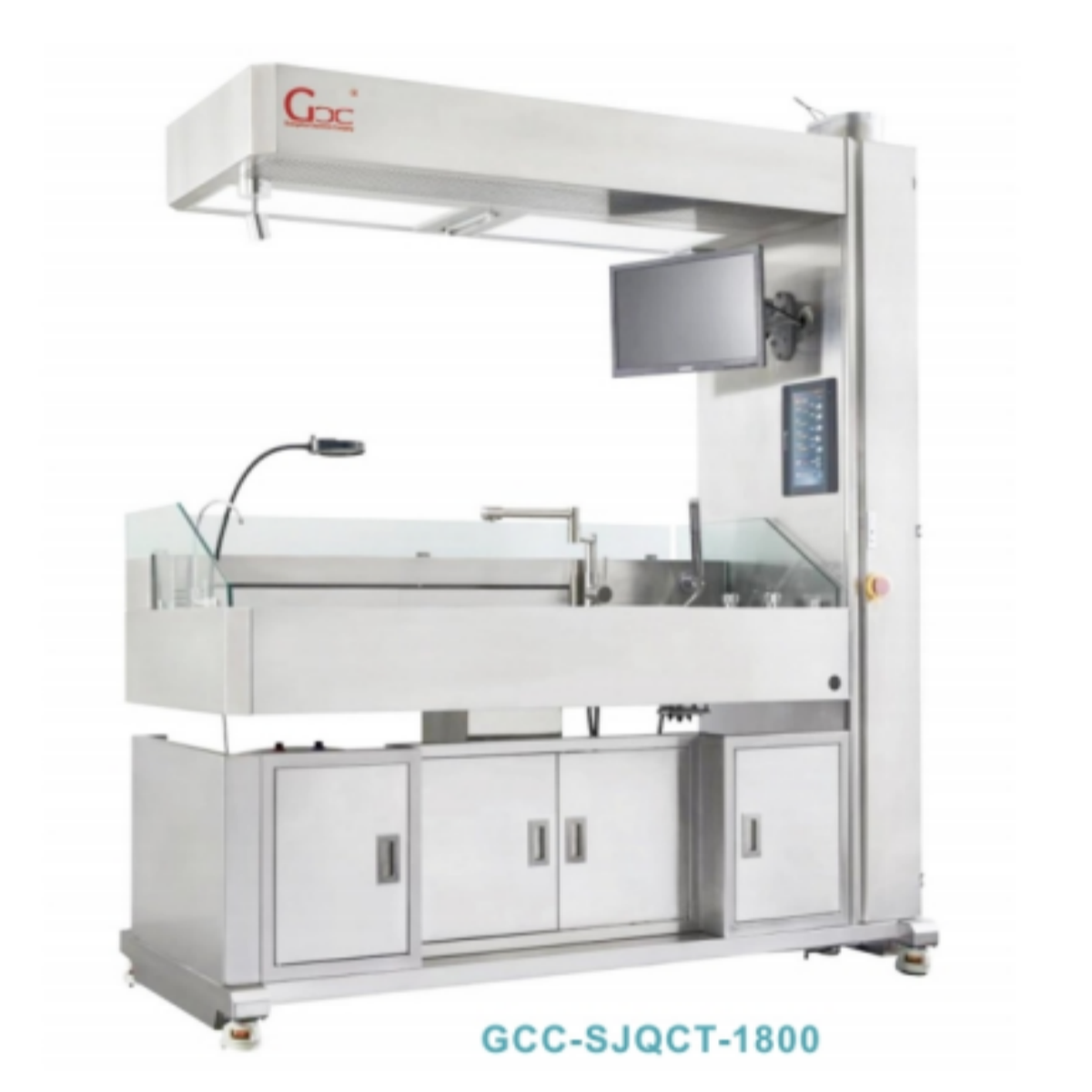
Pathology departments, forensic laboratories, and research institutions rely on grossing stations as the core of specimen processing workflows. As laboratory applications become more specialized, standardized workstations often fail to meet growing demands for biosafety, efficiency, and space optimization.
For this reason, laboratories increasingly choose customized grossing stations that integrate ventilation, drainage, disinfection, and tissue grinding systems. By tailoring these four critical systems to real operating conditions, laboratories improve personnel safety, streamline workflows, and protect specimen integrity.
1. Ventilation Systems: Controlling Hazardous Substances at the Source
First and foremost, ventilation serves as the most critical safety function of a grossing station. Instead of relying on excessive exhaust power, customized ventilation systems actively control hazardous substances at their source.
Engineers calculate airflow volume and face velocity based on specimen types—such as formalin-fixed tissues or frozen samples—along with the number of operators, workstation dimensions, and room ventilation conditions. As a result, the system captures formaldehyde, xylene, and biological aerosols effectively and prevents leakage into the laboratory.
In addition, high-efficiency centrifugal fans and CFD-optimized duct designs deliver stable suction while minimizing noise. Meanwhile, optional VAV (Variable Air Volume) systems automatically adjust airflow according to the working aperture, thereby reducing energy consumption. Intelligent control panels allow operators to start, regulate, and monitor the system with ease.
2. Drainage and Piping Systems: Ensuring Clean and Reliable Operation
Beyond air safety, drainage performance directly affects cleanliness and long-term reliability. Poor drainage design often leads to blockages, odor backflow, and frequent maintenance.
To prevent these issues, customized drainage systems use corrosion-resistant materials such as UPVC or PP with smooth internal surfaces. Designers increase pipe diameters at critical sections and optimize slopes, which significantly reduces the risk of clogging.
At the workstation level, manufacturers customize stainless steel sinks in depth and size and integrate removable filter baskets to intercept tissue fragments. At the same time, water traps and overflow-prevention structures block backflow and suppress odors. Designers also adapt outlet positions—side, bottom, or rear—to fit existing laboratory layouts and simplify installation.
3. Integrated Disinfection Systems: Strengthening Biosafety Protection
While ventilation and drainage build the physical foundation, disinfection establishes biological safety control. Laboratories handling infectious or high-risk specimens require reliable, multi-layer disinfection strategies.
At the surface level, integrated UV disinfection lamps sanitize worktops automatically after each grossing session. For higher biosafety demands, advanced systems actively deploy ozone or hydrogen peroxide mist to achieve terminal disinfection.
Meanwhile, exhaust systems incorporate chemical filters for formaldehyde removal and HEPA filters for biological aerosols. Consequently, laboratories discharge treated air safely and comply with environmental and biosafety regulations. In addition, dedicated UV or hot-air disinfection compartments keep instruments sterile and ready for immediate use.
4. Integrated Tissue Grinding Systems: Improving Workflow Efficiency
As laboratory workflows evolve, many facilities integrate tissue grinding directly into the grossing station to improve efficiency, especially in research and testing environments.
Manufacturers select grinding motors and blades based on tissue type, hardness, and required homogenization fineness. Safety interlock mechanisms ensure that operators can activate the grinder only when the chamber is fully enclosed, thereby preventing accidental exposure.
Furthermore, sound-insulating materials reduce operating noise and improve working comfort. When laboratories process heat-sensitive specimens, cooling circulation systems actively prevent thermal degradation. Finally, sealed waste collection containers enable centralized, compliant disposal of tissue residues and liquids.
Why Full-System Customization Matters
Unlike standardized equipment that forces laboratories to adapt their workflows, full-system customization allows the equipment to adapt to the laboratory.
Customized grossing stations align precisely with laboratory layouts, specimen types, and biosafety levels. As a result, laboratories avoid costly secondary modifications and reduce long-term operating risks. Moreover, designers develop these systems in accordance with biosafety and clinical laboratory standards, supporting smoother audits and certifications.
Conclusion
Together, ventilation, drainage, disinfection, and tissue grinding systems form the operational backbone of a high-performance grossing station. By choosing full-system customization, laboratories take direct control of safety, efficiency, comfort, and regulatory compliance.
Ultimately, laboratories that collaborate with experienced equipment providers during planning or upgrading phases can deploy intelligent grossing stations that truly match operational needs—making customization a strategic investment in modern laboratory management.