坤灵最新logo-scaled-1.png)
In laboratories, kitchens, and even industrial settings, the terms “fume hood” and “ventilation hood” are often heard. Many people equate the two, assuming they are simply different names for the same equipment. However, from a technical perspective, although both share the core function of “ventilation,” they differ significantly in design, purpose, and safety standards. Understanding these differences is essential for making the correct choice and ensuring safe operation. As a professional brand in laboratory equipment, Guangzhou Kunling reminds you that accurately distinguishing between these devices is the first step toward safe and efficient laboratory operation.
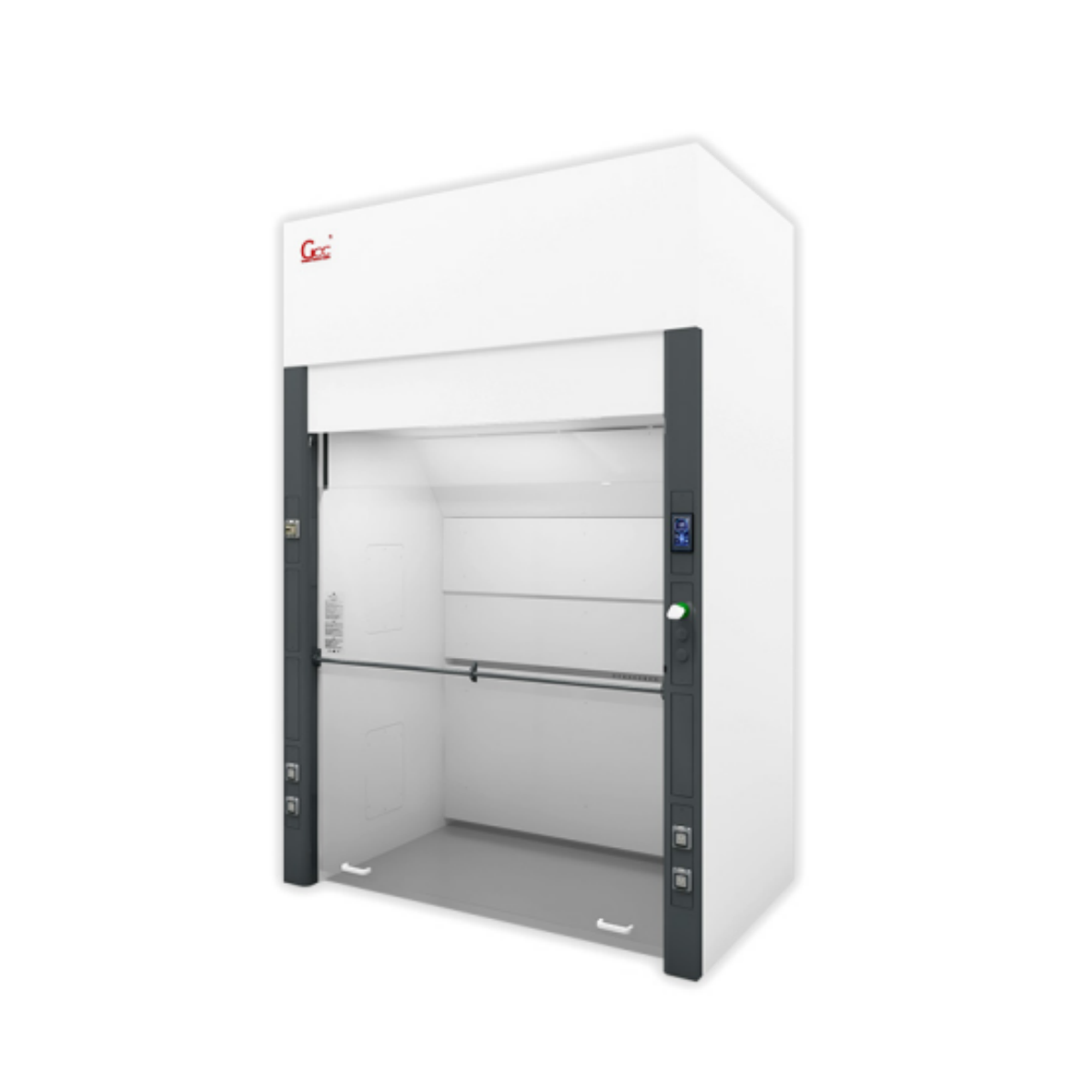
Core Concept: Essentially Similar, but Different in Focus
In simple terms, a ventilation hood is a broad concept, while a fume hood is one specific—and higher-spec—type of ventilation hood built for high-risk chemical experiments.
You can think of their relationship like “car” and “race car.”
All race cars are cars, but not all cars are designed for racing.
Similarly, all fume hoods are ventilation hoods, but not all ventilation hoods are suitable for handling hazardous chemicals.
Below is a detailed comparison from multiple dimensions.
Detailed Comparison Table
| Comparison Dimension | Fume Hood | Ventilation Hood |
|---|---|---|
| Naming & Context | Usually refers to high-spec laboratory equipment. | Broad meaning; used in labs, kitchens, workshops, etc. In labs, often used as a general term. |
| Core Purpose | Safety protection: Protects personnel and the environment from toxic, flammable, explosive, or corrosive chemicals. | Ventilation & purification: Removes heat, vapors, steam, odors, or minor pollutants to improve air quality. |
| Design & Standards | Strict structure with required face velocity (0.3–0.5 m/s). Corrosion-resistant materials (PP, stainless steel). Equipped with adjustable sash, inner liners, spill trough, etc. | Structure is simpler; wind speed and material requirements vary by application and are generally less strict. |
| Application Scenarios | Chemical, biological, and medical labs involving high-risk experiments. | Kitchens (range hoods), school teaching labs, electronics workshops, light industry, etc. |
| Safety Level | Very high—one of the most important lab safety devices. | Basic to moderate—meets comfort and general ventilation needs; not suitable for high-risk chemicals. |
In-Depth Analysis of Each Device
1. Fume Hood: The “Safety Guardian” of the Laboratory
A fume hood is specifically engineered for chemical experiments. Its primary mission is containment, ensuring that hazardous vapors remain inside the enclosure and are safely removed via the exhaust system.
Key characteristics:
a. Face Velocity Control
This is the most critical parameter. Adequate airflow creates an “air curtain” that prevents toxic gases from escaping into the lab.
b. Corrosion-Resistant Materials
Inner liner, work surface, and ductwork often use PP (polypropylene), stainless steel, or fiberglass reinforced plastic to resist strong acids, alkalis, solvents, and fumes.
c. Complex Internal/External Structure
Includes a vertical sliding safety sash, explosion-resistant glass, built-in lighting, utilities (water/electric/gas), and a spill containment trough.
d. Certification and Performance Testing
Professional fume hoods require routine inspections and certifications to ensure consistent safety performance.
In summary:
If your work involves strong acids, strong alkalis, volatile organic solvents, or toxic gases, a certified laboratory fume hood is mandatory.
2. Ventilation Hood: A General “Air Extraction Device”
A ventilation hood is a broader term. Its primary purpose is ventilation, removing unwanted pollutants and maintaining acceptable indoor air quality.
Common examples:
a. Kitchen Range Hood
The most familiar type—used to remove heat, oil fumes, and cooking vapors.
b. Teaching Laboratory Ventilation Hood
Used in school labs where only small amounts of non-hazardous gases or steam are generated. Requirements are lower than research-grade fume hoods.
c. Industrial Ventilation Hood
Used in electronics workshops or light industry to extract welding fumes, grinding dust, or low-risk aerosols.
Summary and How to Choose
| Feature | Fume Hood | Ventilation Hood |
|---|---|---|
| Core Function | Safety protection | Ventilation & purification |
| Typical Use | High-risk chemical/biological labs | Kitchens, teaching labs, workshops |
| Safety Level | High | Basic to medium |
Choosing the Right Equipment Depends on Risk Assessment
- For toxic, hazardous, flammable, or corrosive chemicals:
You must choose a laboratory fume hood that complies with international standards (SEFA, ANSI/ASHRAE).
This is essential for protecting operator health and safety. - For heat, steam, odors, or low-risk particulate removal:
A simpler ventilation hood is sufficient—more economical and meets basic ventilation needs.
Final Thoughts
Although “fume hood” and “ventilation hood” are sometimes used interchangeably in everyday language, they differ clearly in technical design and applicable scenarios. Understanding these distinctions ensures safety, efficiency, and regulatory compliance in laboratory and facility construction.
As a professional supplier of laboratory equipment, Guangzhou Kunling offers both certified fume hoods and ventilation hoods to support your safety and compliance needs.