坤灵最新logo-scaled-1.png)
In laboratory construction and renovation projects, configuring a grossing station is not simply an equipment purchase. Instead, it is a systematic process that must closely align with overall laboratory planning, spatial layout, and engineering execution. A well-coordinated integration strategy significantly improves workflow efficiency, enhances operational safety, and extends equipment service life.
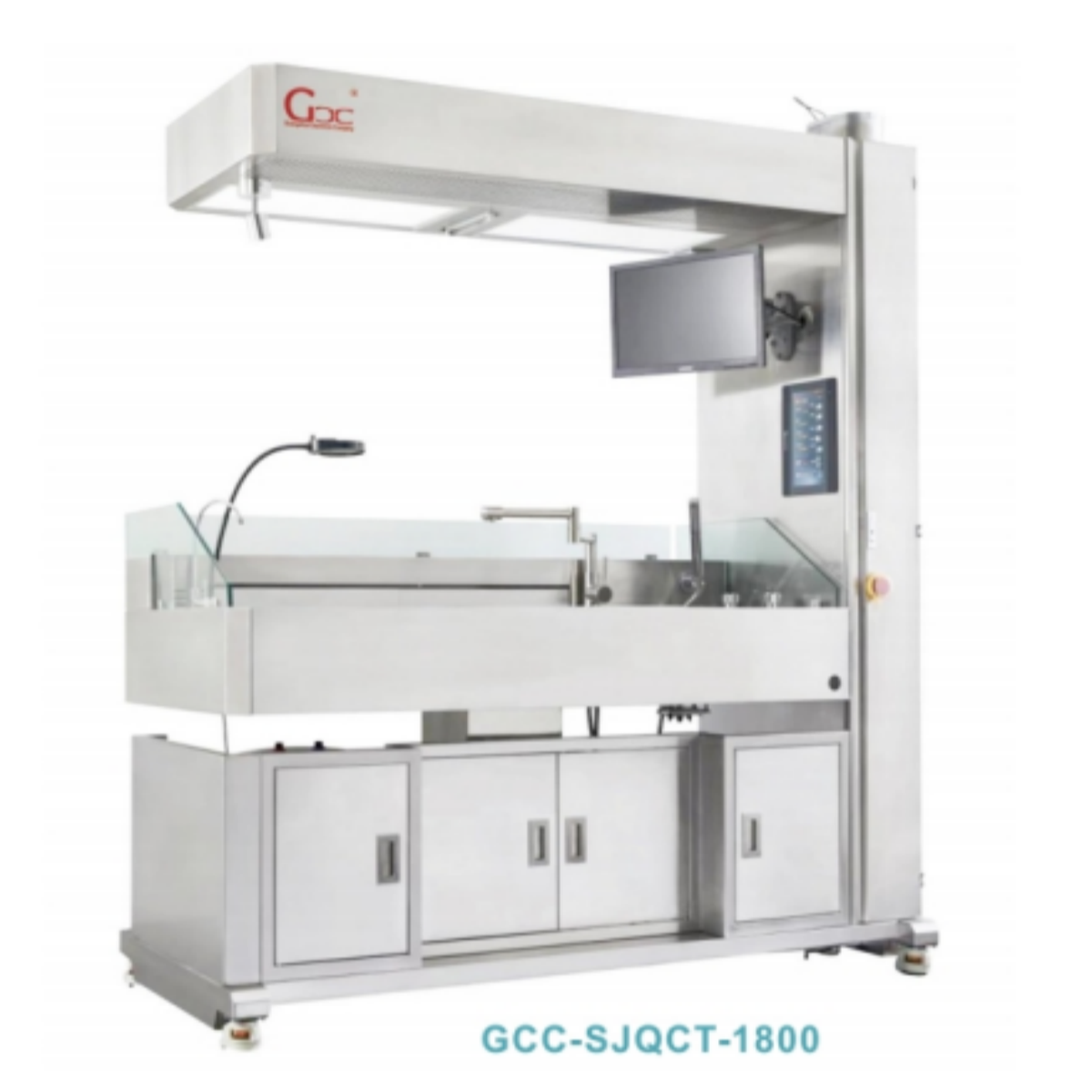
1. Planning Stage: Early-Phase Collaborative Design
Successful integration of a grossing station begins at the early planning stage. At this phase, multidisciplinary coordination is essential.
1.1 Space and Dimension Coordination
The dimensions of the grossing station must precisely match the reserved laboratory space. Designers should define the workstation’s length, width, height, and required operational clearance, and coordinate these parameters with laboratory furniture layouts and aisle requirements to avoid dimensional conflicts during installation.
1.2 Functional Positioning and Workflow Integration
Project teams should clearly define the role of the grossing station within the laboratory workflow, such as pathology specimen grossing or tissue separation. Based on this function, they should place the station in an optimal location—typically near specimen receiving areas or fixation and staining zones—to minimize cross-traffic and reduce specimen transfer distance, thereby improving overall workflow efficiency.
1.3 Infrastructure Reservation
Based on the selected grossing station model, engineers must clearly mark all required infrastructure conditions on the construction drawings, including:
- Electrical requirements: Voltage (e.g., 220V), power rating, outlet type, and outlet location
- Water supply and drainage: Inlet diameter, sink position, drainage pipe size, and slope requirements
- Ventilation: Exhaust duct routing, duct diameter, and fan specifications if a ventilation hood is required
- Gas supply: Reserved interfaces for compressed air or inert gas, if applicable
2. Engineering Implementation Stage: Precise Installation and System Integration
During laboratory fit-out and MEP installation, the grossing station must be integrated according to strict technical procedures.
2.1 Interface Pre-Installation and Inspection
Before installing the workstation, teams must confirm that all electrical, water, ventilation, and gas interfaces are completed in accordance with the drawings. Pressure testing, water flow testing, and electrical commissioning should be completed in advance. Interface locations must align precisely with access openings on the rear panels or base cabinets.
2.2 Grossing Station Installation and Positioning
Installation typically takes place after concealed works, such as piping and wiring, are completed. Installers must ensure the workstation is level, stable, and seamlessly aligned with adjacent cabinetry or walls. For large or heavy grossing stations, teams should also evaluate floor load capacity and equipment transport routes.
2.3 System Connection and Functional Commissioning
After physical connection to pre-installed interfaces, the system must undergo comprehensive commissioning:
- Verify smooth water supply and drainage with no leakage
- Confirm stable electrical power and proper operation of all modules, including lighting, exhaust fans, and electrically controlled valves
- Measure exhaust airflow velocity to ensure compliance with safety standards (typically ≥0.5 m/s face velocity)
- Perform pressure retention tests for gas pipelines to confirm leak-free connections
2.4 Safety and Environmental Integration
The installed grossing station must comply with overall laboratory safety and environmental requirements:
- Exhaust operation must not disrupt room pressure balance
- Materials such as stainless steel cabinetry and corrosion-resistant work surfaces must meet cleaning and disinfection standards
- Safety features including rounded edges and emergency eyewash or rinse systems must be properly installed
3. Verification and Optimization: Ensuring Compliance and Usability
After installation, the project team should perform comprehensive validation:
- Compliance inspection: Verify installation against design drawings and equipment specifications
- Performance testing: Simulate real operating conditions to evaluate ventilation effectiveness, ergonomics, and system stability
- User training: Train laboratory personnel on equipment operation, routine maintenance, and emergency response procedures
Conclusion
Integrating grossing stations into the overall laboratory planning and engineering process is critical to achieving functional efficiency, operational safety, and long-term reliability. Through precise coordination during the planning phase, disciplined execution during construction, and rigorous post-installation validation, laboratories can avoid costly rework and budget overruns while creating a safe, efficient, and sustainable working environment.
This systematic integration approach is a key factor in the successful delivery of modern laboratory construction projects.