坤灵最新logo-scaled-1.png)
Molecular pathology is a critical field in modern medical diagnostics and research, covering genetic testing, tumor molecular profiling, infectious disease detection, and more. Establishing an efficient, compliant, and high-quality molecular pathology lab requires careful planning, proper equipment, and stringent quality control. This guide provides a step-by-step approach to help pathologists successfully set up their lab.
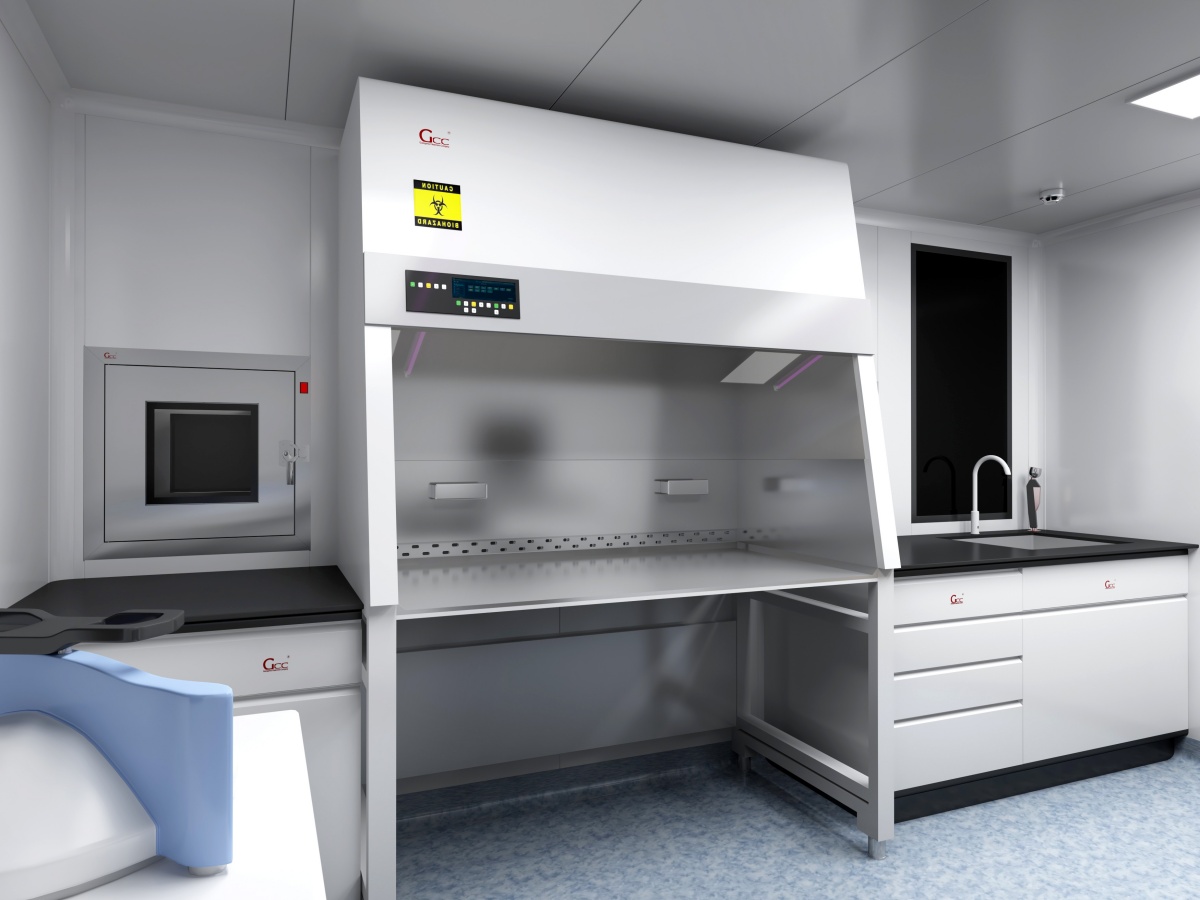
1. Define Lab Objectives and Requirements
Before starting, clarify the lab’s primary purpose:
Diagnostic Focus:
Cancer gene testing
Genetic disease screening
Pathogen detection
Research Applications:
Biomarker discovery
New assay development
Sample Types:
Blood, tissue, FFPE samples, liquid biopsies, etc.
These decisions will influence lab layout, equipment selection, and staffing requirements.
2. Lab Design and Space Planning
A molecular pathology lab requires strict zoning to prevent contamination and must comply with biosafety standards such as CLIA, CAP, ISO 15189.
Key Functional Zones & Example Equipment:
| Zone | Function | Example Equipment |
| Sample Reception | Registration & storage | Refrigerator, barcode scanner |
| Sample Prep Area | DNA/RNA extraction | Centrifuge, nucleic acid extractor |
| PCR Amplification | Nucleic acid amplification | Real-time PCR machine |
| Sequencing Area | NGS sequencing | Next-generation sequencer (e.g., Illumina) |
| Data Analysis | Bioinformatics | High-performance computers, analysis software |
| Storage | Sample/reagent storage | -80°C freezer, liquid nitrogen tank |
Design Requirements:
Unidirectional workflow: Sample → extraction → amplification → analysis to minimize contamination
Pressure control: Negative/positive pressure zones to prevent aerosol spread
UV sterilization & HEPA filtration: Maintains a clean environment
3. Procuring Core Equipment
Essential Equipment:
Nucleic acid extractor (e.g., Qiagen, MagCore)
Real-time PCR machine (e.g., ABI 7500, Roche LightCycler)
Electrophoresis/gel imaging system
Advanced Equipment (Optional):
Next-generation sequencer (NGS, e.g., Illumina MiSeq, NovaSeq)
Digital PCR (dPCR) for ultra-sensitive detection
Automated workstations to reduce manual errors
Tips:
Choose IVD-certified equipment for regulatory compliance
Consider maintenance and consumable costs to ensure smooth operations
4. Staffing and Training
Key Roles:
Pathologists: Oversee reporting and clinical interpretation
Molecular biology technicians: Conduct experiments
Bioinformatics analysts: Process NGS data
Training Focus:
Standard Operating Procedures (SOPs)
Quality Control (QC) and External Quality Assessment (EQA)
Data analysis and report interpretation
5. Quality Control and Certification
Develop SOPs for sample handling, testing, and data analysis
Participate in EQA programs (e.g., CAP, EMQN)
Obtain laboratory accreditation (CLIA, CAP, ISO 15189)
6. Common Challenges and Solutions
| Challenge | Solution |
| Sample contamination | Implement strict zoning, use UDG enzyme to prevent carryover |
| Data interpretation difficulties | Use standardized analysis pipelines and clinical databases |
| High costs | Optimize workflows, adopt automation, plan equipment procurement carefully |
Conclusion
Setting up a molecular pathology laboratory requires careful planning, proper equipment, and rigorous quality management. With the rise of precision medicine, molecular testing plays an increasingly vital role in oncology, genetic disorders, and infectious disease diagnostics. By following this guide, pathologists can establish an efficient, compliant, and high-quality lab to deliver accurate results.
Need more details? Ask about NGS lab setup, cost estimation, or certification processes for a deeper dive.