坤灵最新logo-scaled-1.png)
This article explains the engineering design philosophy, core architecture, and functional characteristics of the Slide Cabinet and Paraffin Block Cabinet as a fully integrated pathology sample storage and management system.
By addressing space utilization, sample security, and environmental control challenges, this system provides a modern engineering solution to the limitations of traditional storage methods.
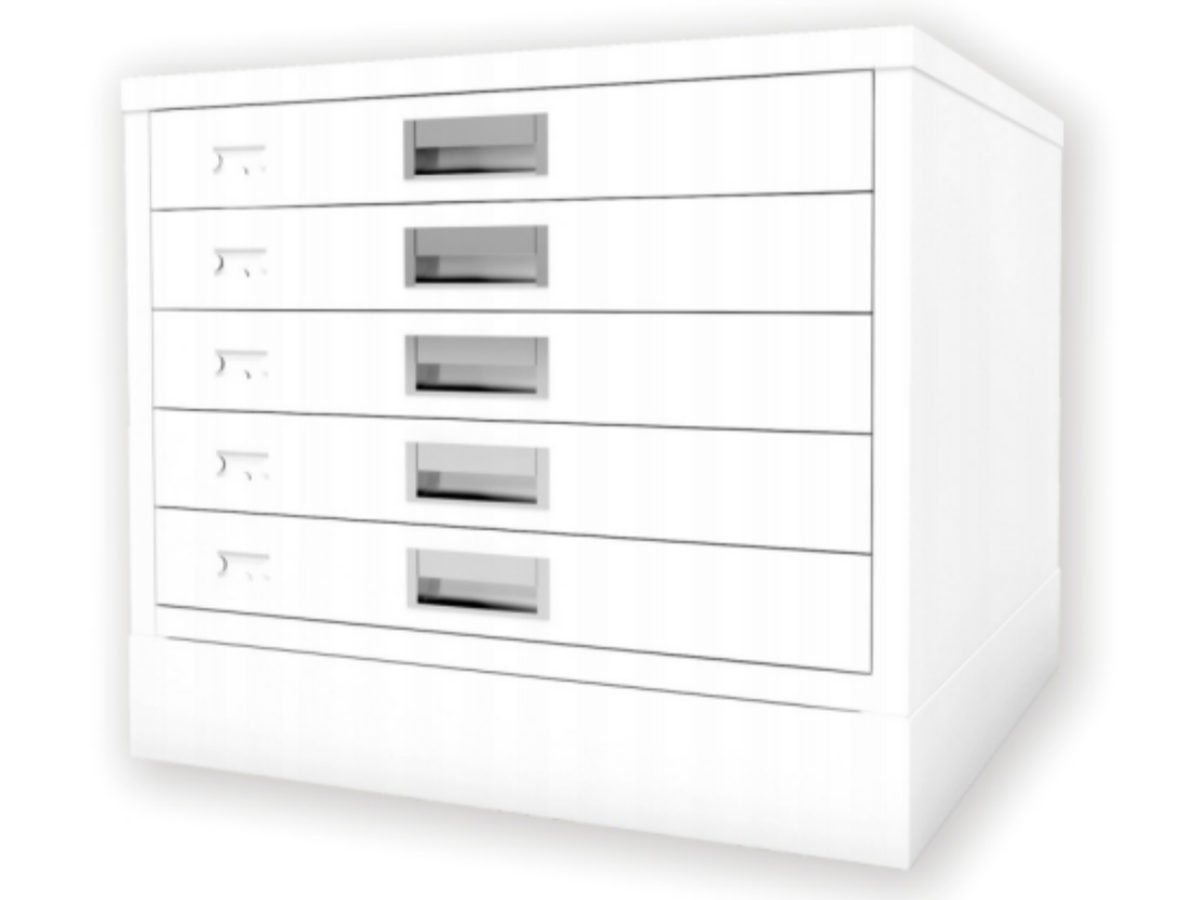
I. Overall System Design and Integration Principles
To begin with, this smart storage management system adopts a modular design approach. It integrates physical storage hardware with digital information management software, thereby forming a unified and scalable system architecture.
At the same time, the system design follows several core engineering principles:
1. High Density and Space Optimization
First of all, the system uses optimized mechanical structures and precision rail designs. As a result, it maximizes storage capacity while reducing the floor area required per sample.
2. Environmental Stability Control
Moreover, the system integrates independent temperature and humidity monitoring and regulation modules. Therefore, it ensures that storage conditions consistently meet regulatory requirements for long-term pathology sample preservation.
3. Synchronization of Data Flow and Material Flow
In addition, each storage unit features a unique identification code, such as RFID or a QR code. Consequently, the system maintains real-time synchronization between physical samples and digital records in the information management platform.
II. Analysis of Core Hardware Subsystems
2.1 High-Capacity Automated Storage Cabinets
From a structural perspective, the cabinet body uses cold-rolled steel panels with anti-corrosion coatings. Meanwhile, engineers verify load-bearing performance through mechanical calculations to ensure long-term stability.
Specifically, the Slide Cabinet incorporates precision guide-rail drawer units, enabling classified storage of tens of thousands of microscope slides.
Similarly, the Paraffin Block Cabinet adopts standardized modular drawers. These drawers optimize size, spacing, and load capacity based on the dimensions and weight characteristics of paraffin blocks.
2.2 Intelligent Access and Identification Module
To improve efficiency, the system employs mechanical transmission devices or automated robotic arms. Upon receiving software commands, these mechanisms automatically retrieve and return samples without manual intervention.
Furthermore, Guangzhou Kunling Environment integrates a high-frequency RFID scanning system into this module. As a result, the system achieves contactless, high-speed identification during batch access operations, with an accuracy rate exceeding 99.9%. Consequently, it significantly reduces manual search errors and time costs.
2.3 Environmental Protection Subsystem
Importantly, this subsystem serves as the core safeguard for sample security. The cabinet interior includes temperature and humidity sensors, anti-condensation devices, and air purification units.
At the same time, the system transmits monitoring data continuously to the central processor. When environmental parameters deviate from preset limits, the system automatically initiates corrective actions or alerts administrators in real time.
III. Software Management and Human–Machine Interface
3.1 Sample Information Management Platform
On the software level, the platform supports full lifecycle management of samples, including registration, archiving, retrieval, and disposal.
Additionally, users can search samples using patient information, pathology numbers, dates, and other criteria. As a result, the system generates accurate inventory statistics and usage reports.
3.2 Equipment Monitoring and Operation & Maintenance Interface
Meanwhile, the centralized monitoring system provided by Guangzhou Kunling Environment displays the real-time operating status of all connected storage devices. This interface shows temperature, humidity, and fault codes in a graphical format.
Moreover, it records usage logs and provides maintenance cycle reminders, thereby supporting efficient operation and preventive maintenance management.
IV. Implementation and Quality Control
During system deployment, the engineering team of Guangzhou Kunling Environment executes standardized installation and commissioning procedures. These procedures include:
- Cabinet leveling and structural stability testing
- Precision calibration of automated transmission travel
- Verification of sensor data acquisition accuracy
- Interface commissioning and integration testing with hospital information systems, such as HIS and LIS
After installation, the team conducts at least 72 hours of continuous stress testing. Therefore, the system demonstrates stable and reliable operation under simulated real-world workloads.
V. Conclusion
In conclusion, the Slide Cabinet and Paraffin Block Cabinet system represents a comprehensive solution that combines mechanical engineering, automation control, environmental engineering, and software technology.
Through systematic engineering design and proactive management, the system improves space efficiency, enhances management accuracy, and ensures long-term sample safety. Consequently, it serves as essential infrastructure for modern pathology laboratory construction.