坤灵最新logo-scaled-1.png)
In pathology departments, medical personnel routinely handle hazardous chemicals such as formaldehyde, xylene, and ethanol. Therefore, storing and managing these chemicals safely directly protects staff and hospital property. Explosion-proof chemical cabinets play a critical role in storing these substances, and hospitals must strictly follow national standards when designing, selecting, and using them.
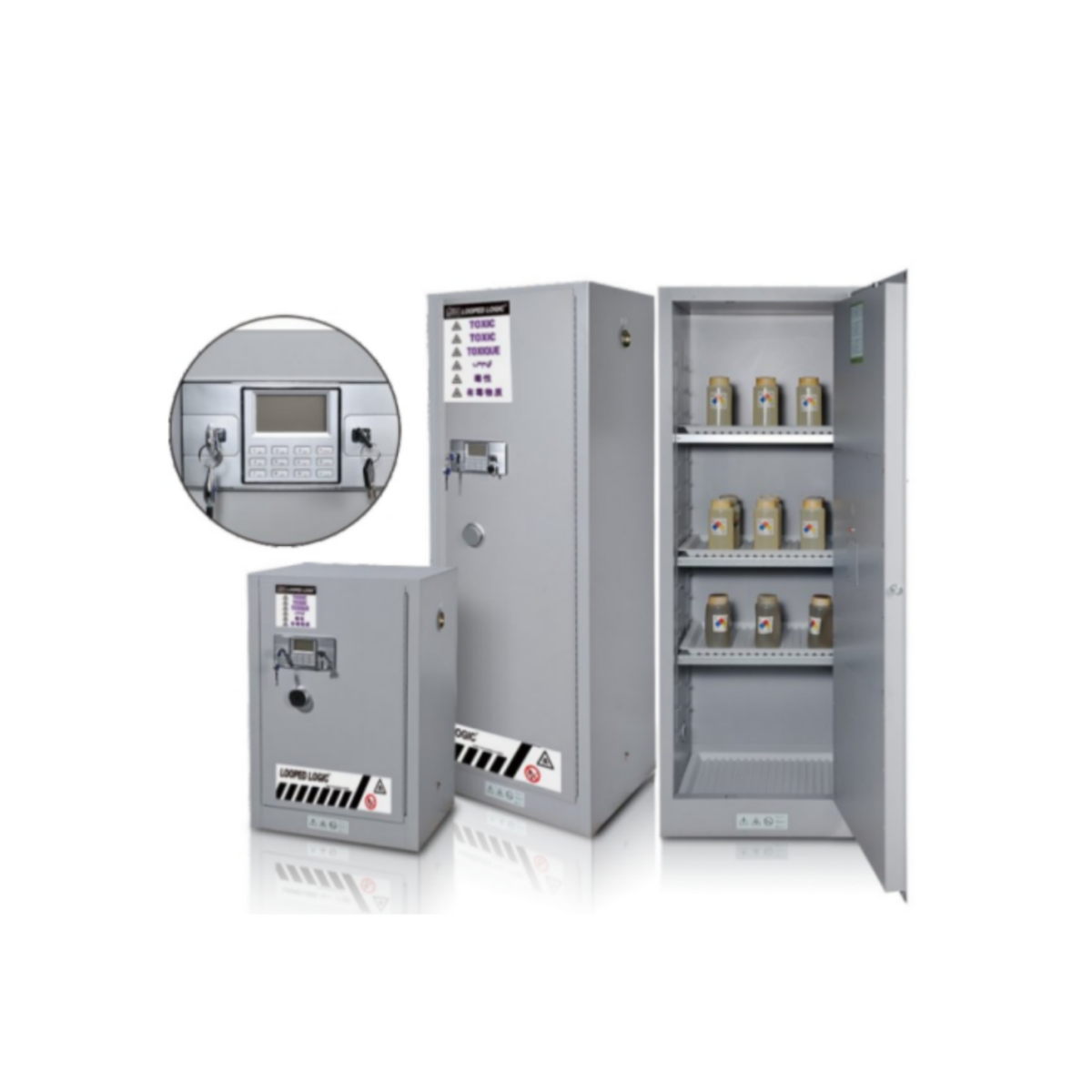
1. Core Requirements of National Standards for Explosion-Proof Cabinets
National standards for hazardous chemical storage cabinets follow regulations such as the Regulations on the Safety Management of Hazardous Chemicals, General Rules for Storage of Hazardous Chemicals, and the Code for Fire Protection Design of Buildings. These regulations define requirements for materials, structure, safety performance, and management.
1.1 Material and Design Requirements
Cabinet bodies must use corrosion-resistant steel or stainless steel, and they should include a fire-resistant lining. Additionally, shelves must support adequate weight. Cabinets should have a double-layer structure, and the inner box is preferably made from PP (polypropylene) via one-time injection molding to ensure excellent corrosion resistance.
1.2 Explosion-Proof and Safety Performance
Explosion-proof ratings are classified into multiple levels, allowing cabinets to withstand specific explosion pressures and thermal radiation. Moreover, cabinets should include explosion-proof locks, ventilation systems, flammable gas detectors, and interlocked exhaust systems.
1.3 Classification and Labeling
National standards require color-coded visual management:
- Yellow: Flammable liquids
- Red: Combustible liquids
- Blue: Weak corrosives
- Gray-white: Toxic substances
- Gray: Compressed gases
Furthermore, cabinets must clearly display warning labels and chemical safety datasheets.
2. Special Requirements for Pathology Department Explosion-Proof Cabinets
Since chemicals in pathology departments are flammable, volatile, and toxic, their storage must meet strict requirements:
2.1 Classified Storage
Staff must store hazardous chemicals in cabinets according to their category, and each item must carry proper warning labels. Hospitals should avoid storing strong acids with strong bases and must never store oxidizers with reducers. For example, flammable chemicals like xylene should go into yellow cabinets, while corrosive chemicals such as hydrochloric acid should be placed in specialized PP cabinets.
2.2 Ventilation and Monitoring
Pathology explosion-proof cabinets should connect to exhaust systems to remove cabinet vapors. In addition, smart cabinets with VOC monitoring and alarm systems can help prevent chemical leakage and volatilization.
2.3 Capacity Control
Hospitals must control the amount of hazardous chemicals according to daily usage. Moreover, chemicals should remain sealed inside cabinets to prevent vaporization and spillage.
3. Management Guidelines for Pathology Department Explosion-Proof Cabinets
3.1 Personnel Responsibilities
Hospitals should assign dedicated staff to manage cabinets. Managers must hold chemical handling certificates, conduct daily inspections, and maintain accurate usage records. Staff must obtain dual signatures for chemical withdrawals and log them promptly.
3.2 Installation Requirements
Hospitals should place cabinets in well-ventilated areas away from heat sources. When installing multiple cabinets, maintain adequate spacing and install spill containment at the base. Additionally, cabinets must have static grounding to dissipate accumulated electricity.
3.3 Emergency Preparedness
Hospitals should equip chemical areas with emergency showers, eye wash stations, fire extinguishers, fire blankets, and spill kits. Department heads must conduct regular inspections to ensure readiness.
4. Selection Recommendations for Pathology Department Explosion-Proof Cabinets
When selecting cabinets, hospitals should consider:
- Material Compatibility: Choose PP cabinets for acidic chemicals and stainless steel for organic solvents.
- Size and Capacity: Select cabinets based on daily usage and space layout to maximize efficiency.
- Smart Features: Consider intelligent control systems and VOC monitoring to enhance safety management.
- Certification and Testing: Ensure all cabinets comply with national certifications and testing standards.
Conclusion
Pathology departments handle concentrated amounts of hazardous chemicals; therefore, selecting, installing, and managing explosion-proof cabinets correctly is essential. By strictly following national standards, implementing classified storage, enforcing dedicated management, and maintaining emergency preparedness, hospitals can prevent accidents, protect staff, and safeguard property.
Ultimately, hospitals that adopt standardized chemical management practices reduce safety risks and provide a safer working environment, thus ensuring smooth and efficient medical operations.