坤灵最新logo-scaled-1.png)
In rapidly developing healthcare markets like India and Southeast Asia, establishing an efficient, compliant pathology laboratory capable of achieving NABL or ISO 15189 accreditation is a complex systematic project. Professional laboratory design goes beyond mere equipment placement; it is fundamentally about Workflow Optimization, Personnel Safety, and the Consistency of Diagnostic Results.
This guide breaks down the critical steps for planning a modern pathology laboratory from the ground up.
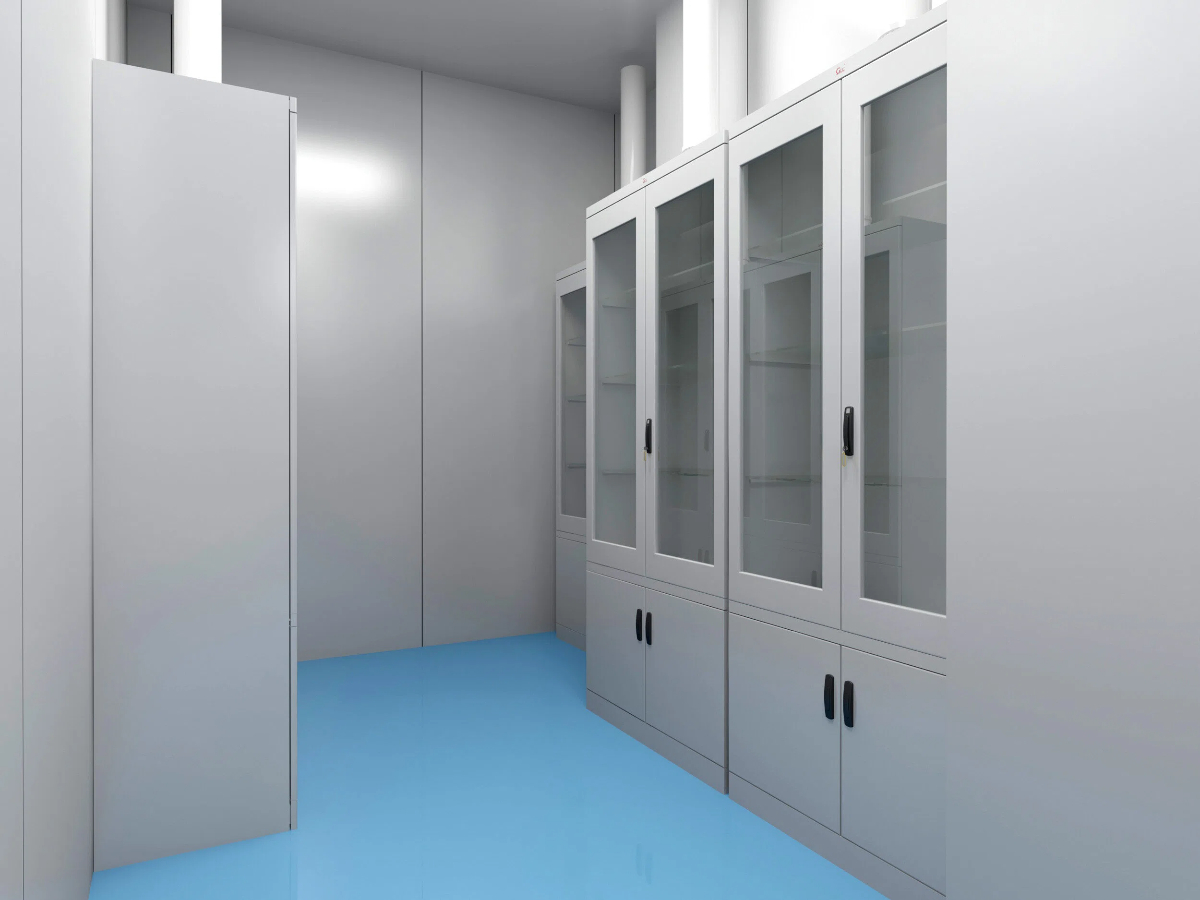
Step 1: Spatial Planning and Functional Zoning
A professional pathology lab must adhere to the “Unidirectional Workflow” principle to prevent cross-contamination of specimens and minimize Turnaround Time (TAT).
Grossing Area: Must be located near the specimen reception point and equipped with high-performance grossing stations.
Processing & Embedding Area: Requires robust ventilation and climate control.
Sectioning & Staining Area: Should be situated in a low-vibration, well-illuminated zone for precision work.
Pathologist Diagnostic Area (Reporting): Must remain quiet, sterile, and organized.
Step 2: Core Equipment Selection
When configuring equipment, durability in local climates (such as high humidity) is as critical as the initial price point.
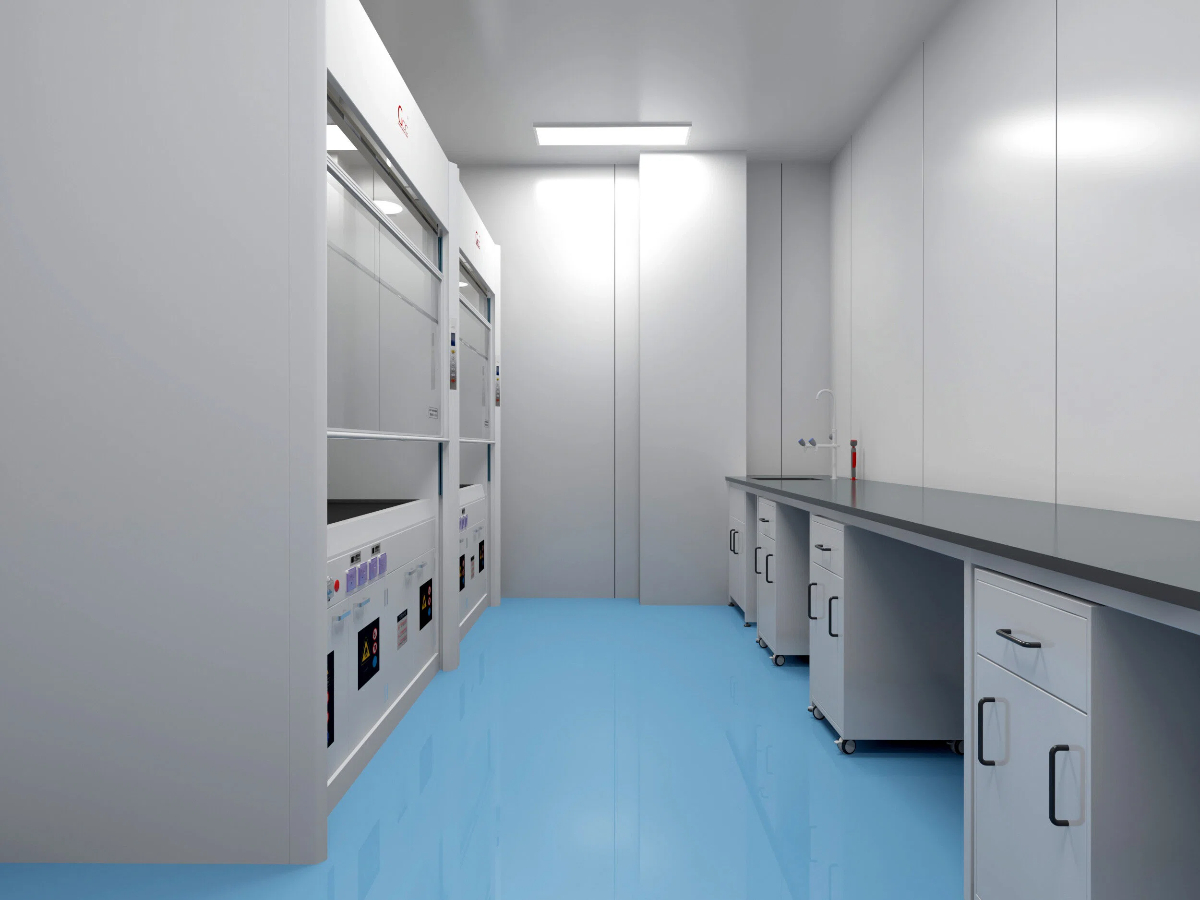
Pathology Grossing Station: As the laboratory’s first line of defense, construction must utilize 304/316 grade stainless steel and feature a powerful downdraft ventilation system to ensure Formaldehyde levels remain well within safety limits.
Rotary Microtome: For high-volume labs, a semi-automated or fully automated microtome with a precision feed system is essential for maintaining section quality at micron-level accuracy.
Tissue Processor & Embedding Station: Opt for vacuum-accelerated processors to significantly enhance reagent penetration and tissue integrity.
Step 3: Ventilation and Environmental Safety
This is the phase where labs in emerging markets most frequently fail regulatory audits.
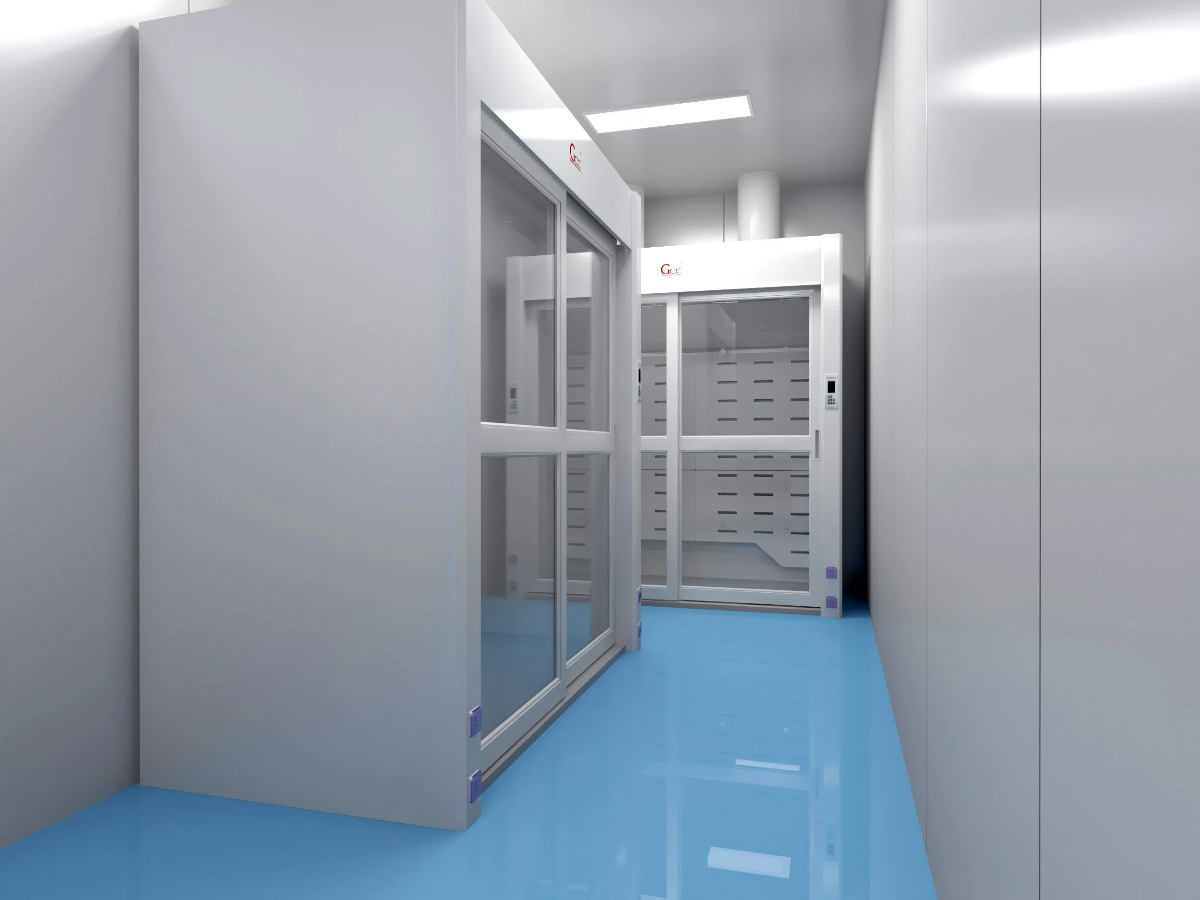
Ventilation Design: Laboratories should maintain 10–12 Air Changes per Hour (ACH) to effectively mitigate Xylene and Formaldehyde vapors.
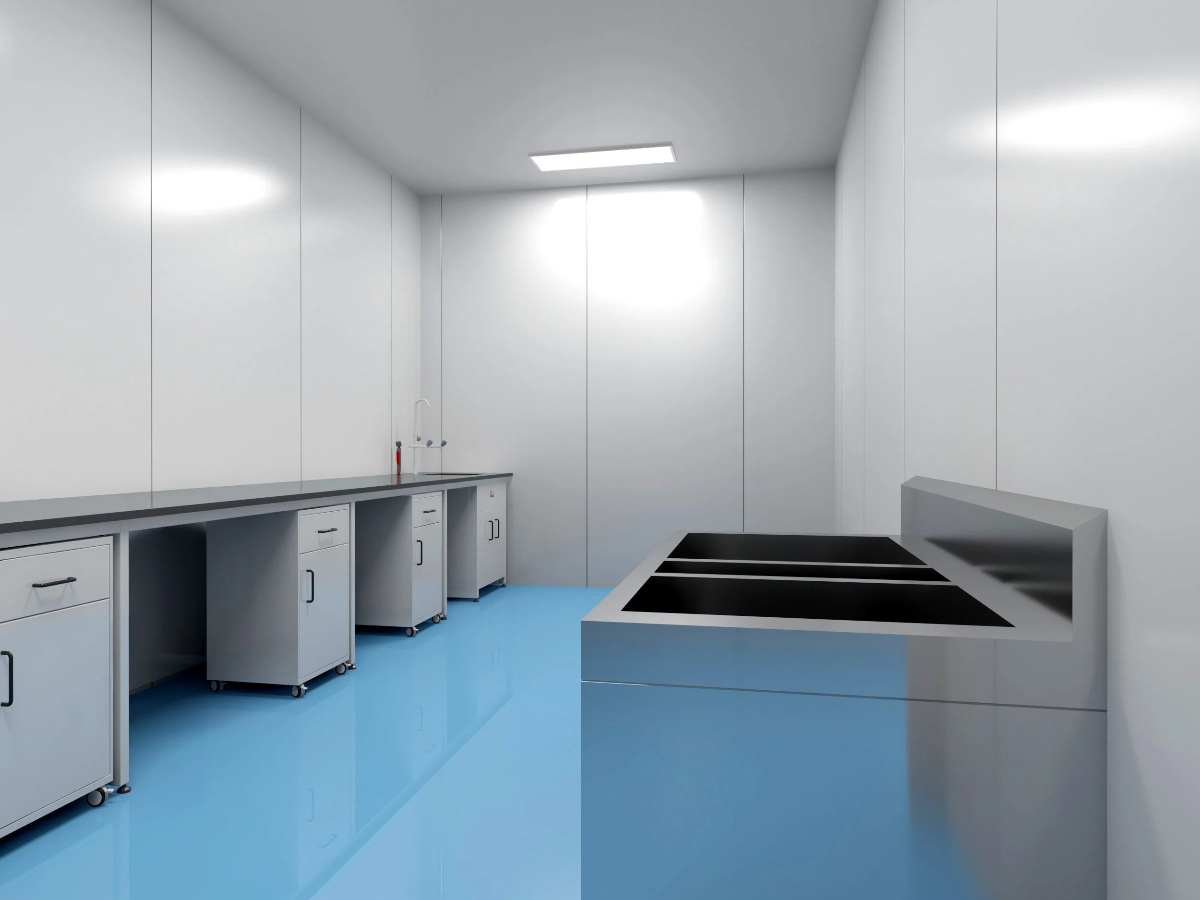
Material Compliance: All laboratory surfaces must be acid, alkali, and fire-resistant. GCC engineering solutions recommend epoxy resin countertops or reinforced heavy-duty stainless steel.
Step 4: Digital Integration and Future Scalability
Modern laboratories must be designed with LIS (Laboratory Information System) integration in mind.
Equipment should feature data export interfaces and support barcode scanning.
Initial designs must reserve adequate power outlets and network ports for anticipated growth over the next 3–5 years.
Why Choose GCC as Your Laboratory Integration Partner?
GCC is more than an equipment vendor; we provide Integrated Laboratory Solutions:
Bespoke Layouts: Our engineers provide scientific workflow layouts tailored to your facility’s specific footprint.
Expertise in Emerging Markets: We understand the customs regulations and technical standards of India and Southeast Asia, offering Fast Shipping and Technical Support.
Turnkey Service: From custom grossing stations to microtome calibration, GCC ensures your laboratory is NABL-ready from day one.
�� Start Your Laboratory Planning
Are you planning a new pathology center or upgrading an existing department? Contact the GCC professional team today for a complimentary equipment checklist and preliminary layout consultation.
WhatsApp: +86 18148635992
Email: Victor@gccpathology.com
Website: www.gccpathology.com