坤灵最新logo-scaled-1.png)
In modern hospital pathology departments, every accurate diagnosis begins with a well-preserved tissue specimen. The quality of the specimen directly impacts diagnostic accuracy and reliability. Among the critical steps that ensure specimen integrity, ventilated refrigerated specimen cabinets play an essential “gatekeeper” role. They are not merely upgraded storage units; they form a core infrastructure that safeguards diagnostic quality, protects staff health, and ensures standardized laboratory safety. This guide explores their key functions, selection criteria, and practical applications.
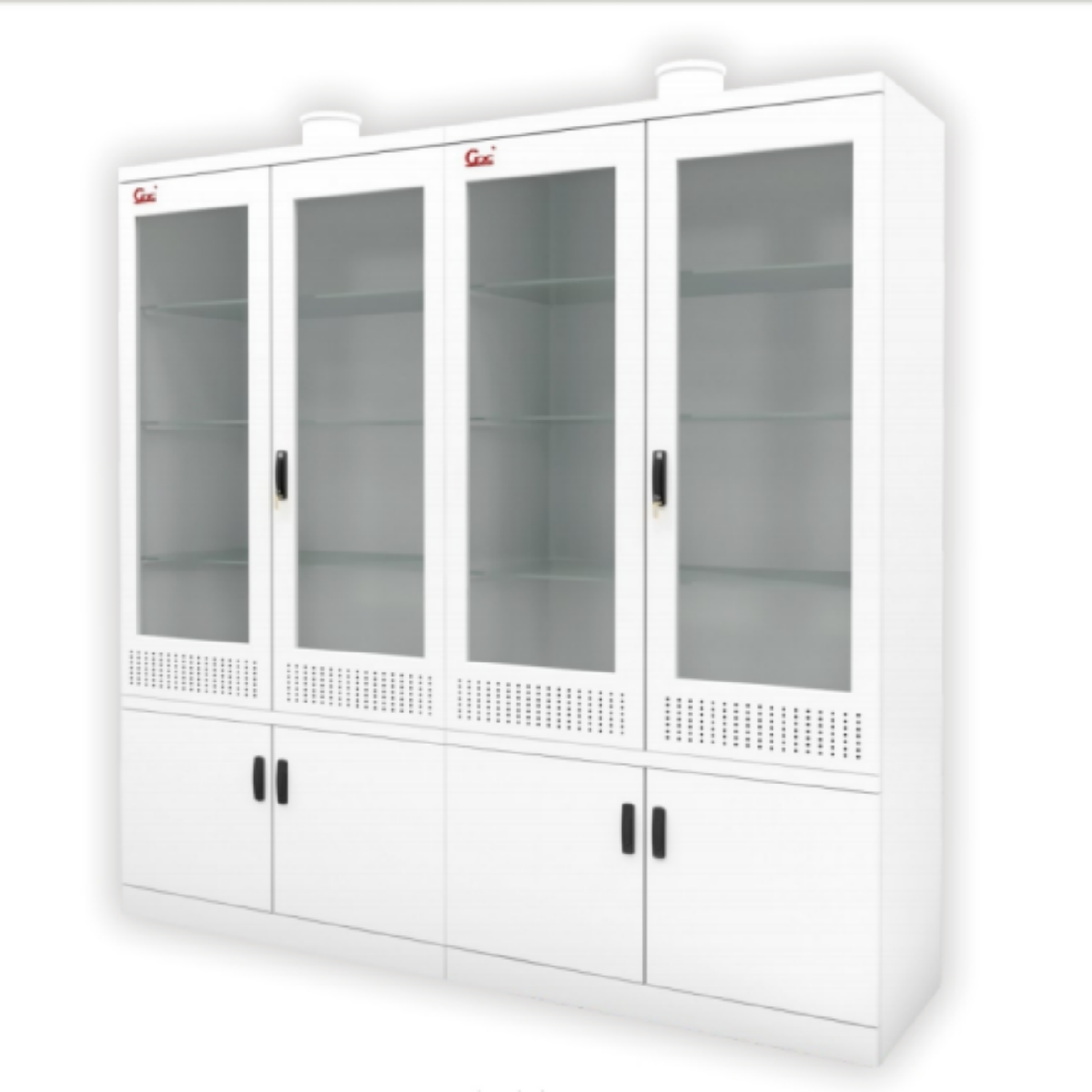
1. Core Functions: Why They Are Indispensable in Pathology
Ventilated refrigerated specimen cabinets integrate two critical functions, directly addressing the primary challenges of pathology specimen management.
1.1 Refrigeration: The First Line of Defense for Diagnostic Accuracy
a. Inhibiting Degradation and Autolysis
Fresh surgical specimens quickly degrade at room temperature due to bacterial growth and tissue autolysis, which can obscure cellular morphology. By maintaining a stable internal temperature of 2–8°C, these cabinets significantly slow down degradation, preserving the tissue’s original structure for subsequent pathological examination.
b. Preserving Biomolecular Integrity
With the rise of molecular pathology, many specimens are destined for genetic sequencing, FISH, or PCR testing. Low-temperature storage maintains DNA, RNA, and protein integrity, forming the foundation of precision medicine.
1.2 Ventilation: Protecting the Health of Laboratory Staff
a. Efficient Harmful Gas Adsorption
Formalin-fixed specimens release formaldehyde, a known carcinogen that irritates the eyes and respiratory tract. Ventilation systems equipped with high-performance activated carbon filters continuously capture and remove formaldehyde, xylene, VOCs, and odors from the cabinet.
b. Creating a Negative Pressure Environment
When operating, the cabinet continuously extracts and filters internal air, generating negative pressure relative to the surrounding room. This design ensures that harmful gases never escape into the laboratory, providing a safe, clean air environment for pathologists and technicians.
2. Selection Guide: Choosing the Right Cabinet
Selecting a ventilated refrigerated specimen cabinet represents a significant investment. Laboratories should evaluate the following critical factors:
2.1 Core Performance Indicators
(1) Refrigeration System
- Stability and Uniformity: Choose compressors with proven reliability. The cabinet should maintain minimal temperature variation (±2°C) and rapid recovery after door openings.
- Backup Assurance: Prefer dual-compressor systems or at least backup power options to prevent complete specimen loss in case of failure.
(2) Ventilation and Filtration System
- Filter Performance: Verify formaldehyde adsorption efficiency (>99%), VOC removal rate, and dust capacity. High-quality filters protect staff health.
- Airflow and Negative Pressure: Ensure the fan provides sufficient power for effective negative pressure and adequate air exchanges.
- Intelligent Alerts: Select cabinets with filter life monitoring and replacement reminders to avoid functional failure.
2.2 Material and Structural Considerations
- Interior and Shelves: Use 304 or 316 stainless steel, corrosion-resistant, easy to clean, and chemically stable. Adjustable, perforated shelves support airflow and liquid drainage.
- Sealing: Doors must have chemically resistant gaskets with excellent airtightness to maintain negative pressure and cooling efficiency.
- Security: Equip with mechanical or electronic locks to secure specimens, ensuring compliance with biosafety regulations.
2.3 Capacity and Configuration
- Select internal volume based on hospital scale, surgical throughput, and daily specimen load.
- Ensure internal flexibility with adjustable shelves, optional drawers, or baskets to accommodate various specimen container sizes.
2.4 Intelligent Control and Monitoring
- Microcomputer Control: Digital displays allow precise temperature setting and real-time monitoring.
- Alarm System: Include high/low temperature, door open, power failure, and filter alerts. Remote notifications via app or SMS enable 24/7 unattended monitoring.
- Data Logging: Optional USB or network data export supports temperature recording and meets laboratory certification requirements (CAP, ISO 15189).
2.5 Compliance and Certification
- Ensure devices hold relevant certifications, such as China NMPA registration, CE, and UL, guaranteeing quality, safety, and regulatory compliance.
3. Application and Best Management Practices
Proper usage and maintenance maximize performance and extend cabinet lifespan.
- Placement: Position cabinets in well-ventilated areas, away from heat sources, and close to specimen collection points. Leave sufficient clearance for heat dissipation on all sides.
- Standardized Operation:
- Seal specimens before storage, separating fresh and fixed samples.
- Minimize door openings to maintain temperature and negative pressure stability.
- Regular Maintenance:
- Clean interiors and shelves regularly with neutral detergents.
- Replace activated carbon filters promptly according to manufacturer instructions or system alerts, ensuring sustained ventilation performance.
By combining reliable refrigeration, high-efficiency ventilation, and intelligent monitoring, ventilated refrigerated specimen cabinets serve as the foundation of modern pathology laboratories, protecting specimen integrity, staff safety, and operational compliance.