坤灵最新logo-scaled-1.png)
I. Overview of the Histology Laboratory
The histology laboratory in the pathology department is a critical component of pathological research and diagnostics. It is primarily responsible for tissue section preparation, staining, and microscopic examination. This laboratory provides essential data to support pathological diagnosis, enabling pathologists to accurately identify disease types and pathological features, thereby ensuring precise diagnostic results.
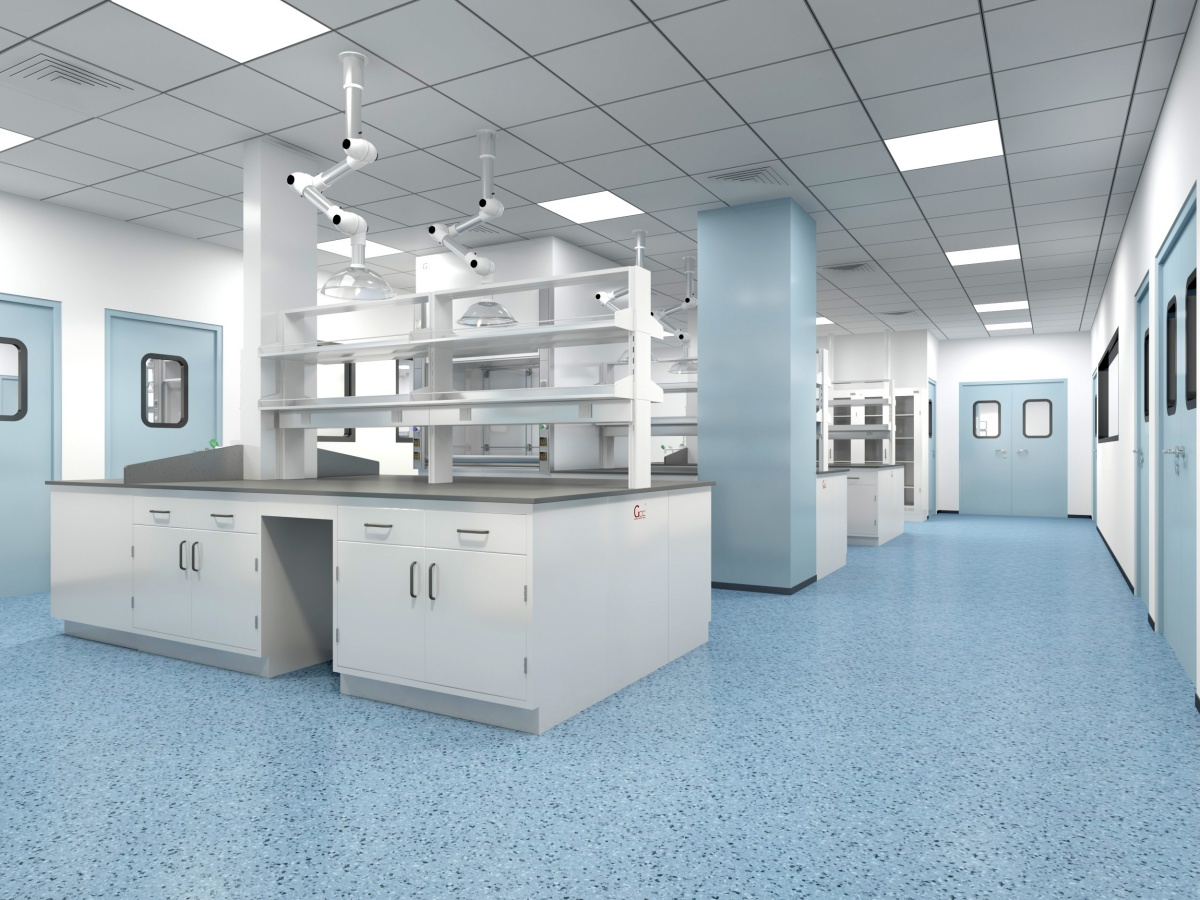
II. Applications of Histology Techniques in Pathological Diagnosis
Histology techniques encompass tissue collection, fixation, dehydration, embedding, sectioning, and staining. Each step directly affects the final diagnostic outcome. By observing tissue sections under a microscope, pathologists can identify morphological changes and determine the nature of lesions, such as tumors, inflammation, or fibrosis.
1. Tissue Collection and Fixation
The method of tissue collection determines the representativeness and diagnostic value of the sample. After collection, appropriate fixatives are used to preserve the tissue, preventing degradation during subsequent processing and maintaining sample stability throughout the procedure.
2. Dehydration and Embedding
Dehydration removes water from the tissue, and embedding with paraffin or other materials stabilizes the tissue during sectioning. This step is crucial to ensure high-quality tissue sections that retain their morphology.
3. Sectioning and Staining
The thickness of tissue sections must be precisely controlled to ensure clear visualization of tissue details under a microscope. Staining techniques differentiate various cell types and tissue structures, facilitating accurate diagnosis by pathologists.
III. Applications of Guangzhou Kunling Environment in Histology Laboratories
As a professional cleanroom solutions provider, Guangzhou Kunling Environment offers comprehensive equipment and technical support for histology laboratories in pathology departments. Key applications include:
1. Air Purification Systems
To ensure the accuracy of tissue sections and sample safety, Guangzhou Kunling Environment provides high-efficiency air purification systems. HEPA filters effectively remove airborne dust and pathogens, preventing external contaminants from affecting tissue samples.
2. Cleanroom Design and Construction
Based on the specific requirements of histology laboratories, Guangzhou Kunling Environment provides customized cleanroom construction solutions. These designs ensure that the laboratory environment complies with industry standards such as GMP and ISO, delivering a workspace that meets the highest operational standards.
3. Temperature and Humidity Control
To maintain tissue sample stability during processing, Guangzhou Kunling Environment provides precise temperature and humidity control equipment. This ensures that the laboratory environment remains optimal, minimizing external factors that could interfere with experimental results.
IV. Key Elements in Constructing a Histology Laboratory
When building a histology laboratory in a pathology department, attention to the following key elements is essential for efficient operation and accurate diagnostic outcomes:
1. Cleanliness Control
A clean working environment is critical. Appropriate air cleanliness effectively prevents sample contamination, improving tissue section quality and reliability.
2. Equipment Selection
High-precision instruments, including microtomes, staining machines, and microscopes, must provide accuracy and stability. Quality equipment significantly enhances workflow efficiency and ensures reliable experimental results.
3. Laboratory Layout
The laboratory layout must be carefully planned, with clearly defined work areas, storage areas, and decontamination zones. Proper zoning reduces cross-contamination risks and ensures both safety and efficiency.
V. Future Development Trends
As medical research advances, the demands on histology laboratories continue to increase. Future trends include:
- Greater reliance on automated equipment and information technology to improve workflow efficiency and diagnostic accuracy.
- Integration of molecular pathology and genomics, expanding laboratory work beyond traditional tissue sections.
- Routine application of genomics, proteomics, and other emerging techniques, driving more precise and personalized pathological diagnosis.
VI. Conclusion
Histology laboratories in pathology departments play an indispensable role in modern diagnostics. High-precision techniques provide pathologists with reliable diagnostic data. Guangzhou Kunling Environment delivers high-quality cleanroom solutions for histology laboratories, optimizing the laboratory environment, enhancing workflow efficiency, and ensuring diagnostic accuracy.
With ongoing technological advancements, future histology laboratories will become more efficient and precise. By carefully selecting equipment, controlling environmental conditions, and leveraging professional technical support, histology laboratories will continue to advance medical diagnostics and improve the quality and safety of clinical outcomes.