坤灵最新logo-scaled-1.png)
Introduction
In pathology departments, hazardous chemicals such as xylene, ethanol, and formaldehyde (formalin) are widely used. These chemicals are essential for tissue fixation, dehydration, clearing, staining, and decalcification processes. However, their flammable, explosive, corrosive, and toxic properties pose significant safety risks. Chemical explosion-proof cabinets (also called flammable safety cabinets or fire- and explosion-proof cabinets) are specialized storage equipment designed to contain these hazardous substances safely. Proper use and management of these cabinets can effectively prevent fires, explosions, leaks, and poisoning incidents, thereby protecting personnel and hospital property and ensuring the smooth operation of medical procedures. This article details the standardized use of chemical explosion-proof cabinets in pathology departments.
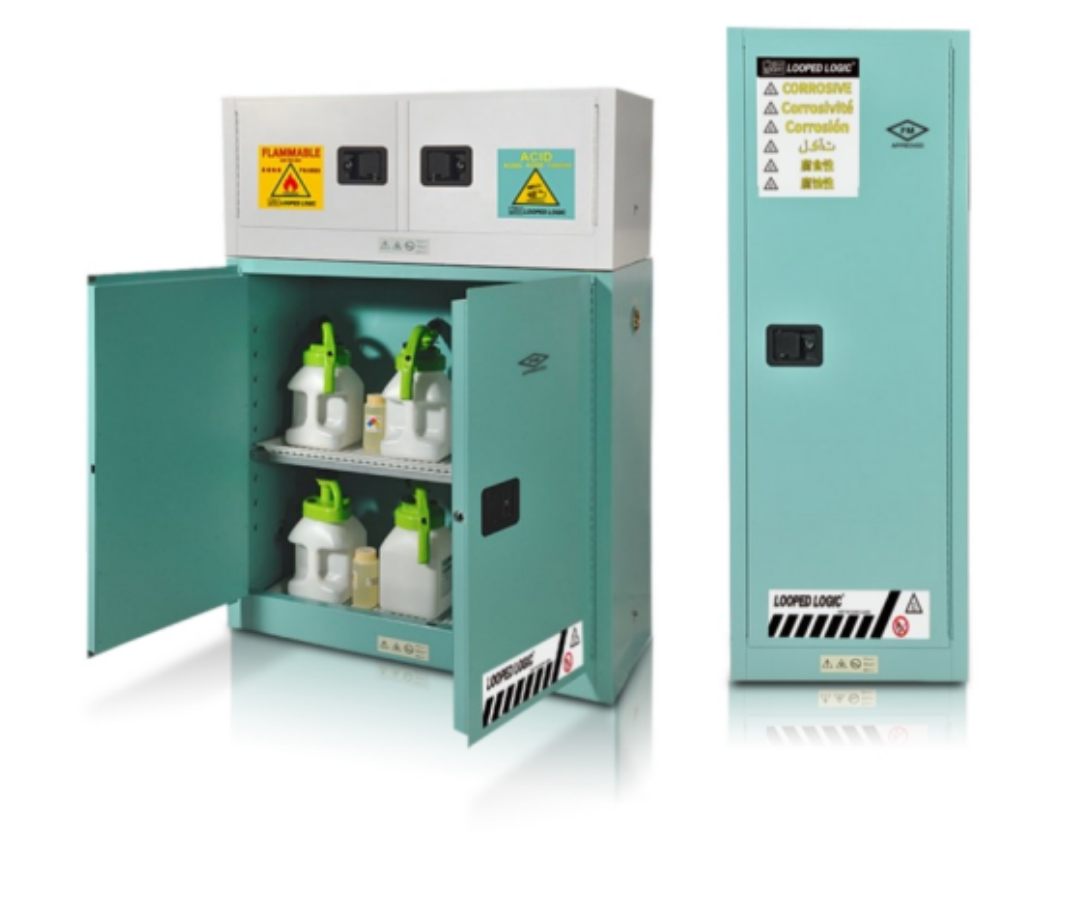
1. Selection, Placement, and Installation of Explosion-Proof Cabinets
1.1 Compliance in Selection
When selecting an explosion-proof cabinet, ensure it meets relevant safety standards and provides reliable fire- and explosion-proof performance. Pathology departments should choose cabinets based on the type of chemicals to be stored:
- Yellow cabinets: For flammable liquids such as xylene, ethanol, acetone, methanol, etc.
- Blue/Gray cabinets: For corrosive chemicals such as hydrochloric acid, sulfuric acid, nitric acid, sodium hydroxide, etc.
- Highly toxic substances: Must be stored in dedicated safes with strict “dual lock, dual control” management.
1.2 Safe Placement
- Keep away from fire and heat sources: Cabinets must be located away from open flames, sparks, or heat-generating equipment, maintaining safe distances.
- Ensure ventilation: Place cabinets in areas with good airflow. Rooms storing hazardous chemicals should be sealed separately and equipped with fire doors.
- Stable and level surfaces: The floor must be flat and sturdy to support the fully loaded cabinet.
- Maintain clear access: Keep the area around the cabinet clear of obstacles to allow quick access and evacuation in emergencies.
2. Storage Standards and Classification Management
2.1 Classified Storage
Staff must understand the chemical properties of each hazardous substance and store them accordingly. This is the core principle for using explosion-proof cabinets:
- No incompatible storage: Never store incompatible chemicals in the same cabinet. For example, organic acids must be separated from strong oxidizing acids.
- Certified containers: Chemicals must be stored in certified safety containers, tightly sealed, and properly labeled.
- Capacity limits: Do not exceed the maximum design capacity of the cabinet.
- Use of spill trays: Keep the cabinet’s built-in spill tray clean and empty; do not use it to store containers or other items. It must be available to contain any accidental leaks.
3. Daily Operation and Handling Procedures
3.1 Personal Protection
Personnel must wear appropriate protective equipment when handling hazardous chemicals, including lab coats, safety goggles, masks, gloves resistant to chemical corrosion, and caps.
3.2 Safe Handling Procedures
- Usage records: Follow the “dual lock, dual signature” system. Record and sign the quantity used and remaining each time chemicals are accessed.
- Close doors immediately: Always close and lock the cabinet after use.
- Safe transport: Use trays or spill containment baskets when moving concentrated acids to prevent spills or breakage.
- Opened container management: Label the date of opening and the handler’s name on each container, and monitor the chemical’s shelf life.
4. Safety Measures and Emergency Preparedness
4.1 Static Grounding
Yellow cabinets storing flammable liquids must be properly grounded to prevent static sparks from causing fire or explosions.
4.2 Clear Labeling
Label the cabinet and its doors to indicate the type of chemicals stored. Include a list of hazardous chemicals for quick identification and emergency management.
4.3 Emergency Equipment
Keep fire extinguishers, fire blankets, spill kits, eyewash stations, and emergency showers near the cabinets. Ensure all personnel know their location and how to use them.
4.4 Spill Response
If a chemical spill occurs, immediately use the cabinet’s spill tray to contain the liquid. Clean up promptly with absorbent materials, and dispose of the waste as hazardous waste.
5. Management and Training
5.1 Dedicated Personnel
Assign a dedicated staff member to manage chemical procurement, receipt, inspection, storage, and daily cabinet maintenance.
5.2 Training and Awareness
Conduct regular safety training so all staff follow the standardized procedures. Staff should read safety data sheets before using new chemicals.
5.3 Routine Inspections
Regularly inspect the cabinet’s structure, locks, grounding wires, and ventilation interfaces, and perform timely cleaning and maintenance.
Conclusion
Pathology departments handle a high concentration of hazardous chemicals, making chemical explosion-proof cabinets an essential part of their safety management system. By strictly adhering to these guidelines—including compliant selection, safe placement, classified storage, dual-person management, prompt door closure, proper grounding, emergency preparedness, and thorough training—staff can significantly reduce safety risks. Implementing these standards ensures a safe and reliable working environment, protecting both personnel and hospital property while maintaining smooth medical operations.