坤灵最新logo-scaled-1.png)
If the human body is a highly precise factory, disease is a “fault.” The hospital pathology department is the factory’s “fault analysis center” and ultimate quality control lab. Pathologists and technicians don’t treat patients directly but analyze tissue samples and produce authoritative reports that guide treatment and prognosis.
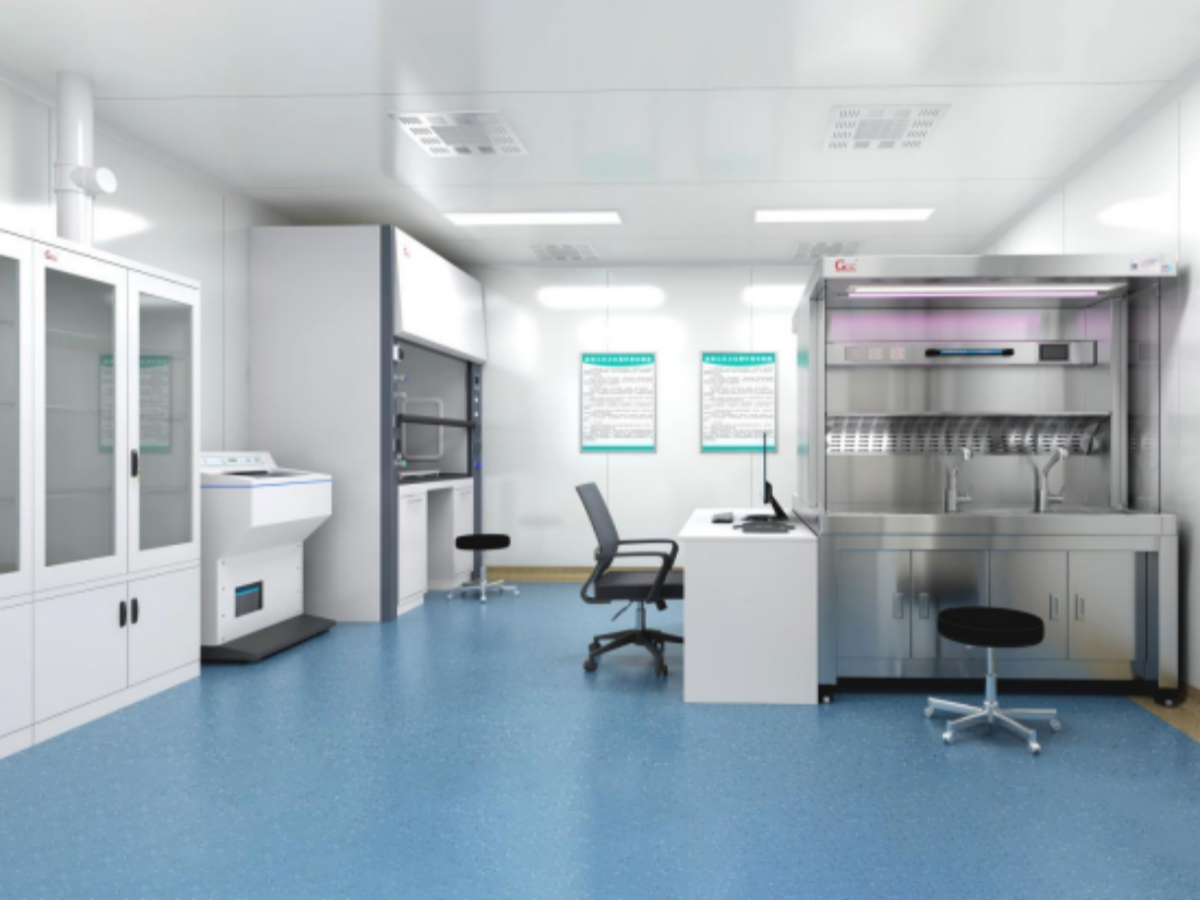
Sample Reception and Preprocessing
Tissue samples—tumors, polyps, biopsies—are like faulty components. Each receives a unique pathology number for full traceability. Samples are fixed in formalin to halt cell metabolism and preserve structure, then dehydrated and embedded in paraffin to prepare uniform blocks for precise sectioning.
Tissue Sectioning and Staining
Microtomes slice paraffin blocks into 3–5 micrometer sections. Automated H&E staining produces high-contrast maps, highlighting abnormal patterns.
Diagnosis and Advanced Analysis
Pathologists act like expert AI, identifying abnormal patterns in tissue. When needed, immunohistochemistry tags specific proteins, and molecular testing decodes genetic mutations, guiding precision therapy. During surgery, frozen sections provide rapid results for critical decisions.
Quality Control
Reports undergo multi-level review, with all steps digitally recorded. Laboratories comply with national and international standards, ensuring reliable operation.
Conclusion
The pathology department transforms “biological samples” into “digital diagnostic information,” integrating mechanical, chemical, optical, and molecular processes. It may not treat patients directly, but it is the cornerstone of precise medical care and the crucial “behind-the-scenes judge” of diagnosis.