坤灵最新logo-scaled-1.png)
The pathology technical laboratory is the core support unit of the hospital’s pathology department. The quality of its work directly affects the accuracy, timeliness, and reliability of pathological diagnoses, which in turn influences clinical decision-making for patient care. Poor management inevitably leads to sample contamination, diagnostic delays, or even misdiagnosis. Therefore, establishing a scientific, systematic, and efficient management system is essential. This article outlines the key considerations for managing a pathology technical laboratory from an engineering management perspective.
I. Quality Management System: The Lifeline of Accuracy and Reliability
Quality is the soul of pathology laboratory work. A full-process, traceable Quality Control (QC) and Quality Assurance (QA) system must be established.
- Standard Operating Procedures (SOPs):
Every technical step—from specimen receipt, verification, labeling, fixation, dehydration, embedding, sectioning, staining to mounting—must have detailed and unified SOP documents. All staff must follow SOPs strictly to ensure high consistency and comparability of results across operators. - Internal Quality Control (IQC):
Perform ongoing quality monitoring during daily work. Examples include using standards for HE stain comparison, regularly performing positive/negative controls for special stains and immunohistochemistry, and sampling checks of section thickness and integrity. Any deviation must be corrected and documented. - External Quality Assessment (EQA):
Participate actively in national or provincial pathology EQA programs to evaluate performance objectively by comparing with peer laboratories, identify hidden issues, and drive continuous improvement. - Error Management & Continuous Improvement:
Establish a non-punitive error-reporting system that encourages staff to report anomalies and mistakes. Conduct Root Cause Analysis (RCA) to identify system vulnerabilities, implement Corrective and Preventive Actions (CAPA), and form a healthy PDCA cycle (Plan–Do–Check–Act).
II. Biosafety and Chemical Safety: The Non-Negotiable Red Line
Pathology laboratories handle potentially infectious tissue samples as well as toxic, hazardous, and flammable chemicals. Safety management is the foundation of personnel and environmental protection.
- Biosafety Management:
Follow the General Requirements for Laboratory Biosafety. All staff must receive safety training and correctly use personal protective equipment (PPE), including gloves, masks, gowns, and goggles. High-risk procedures—such as specimen grossing or cryosectioning—must be performed inside a biosafety cabinet. Waste must be classified, collected, disinfected, and disposed of in accordance with infectious medical waste regulations. - Chemical Safety Management:
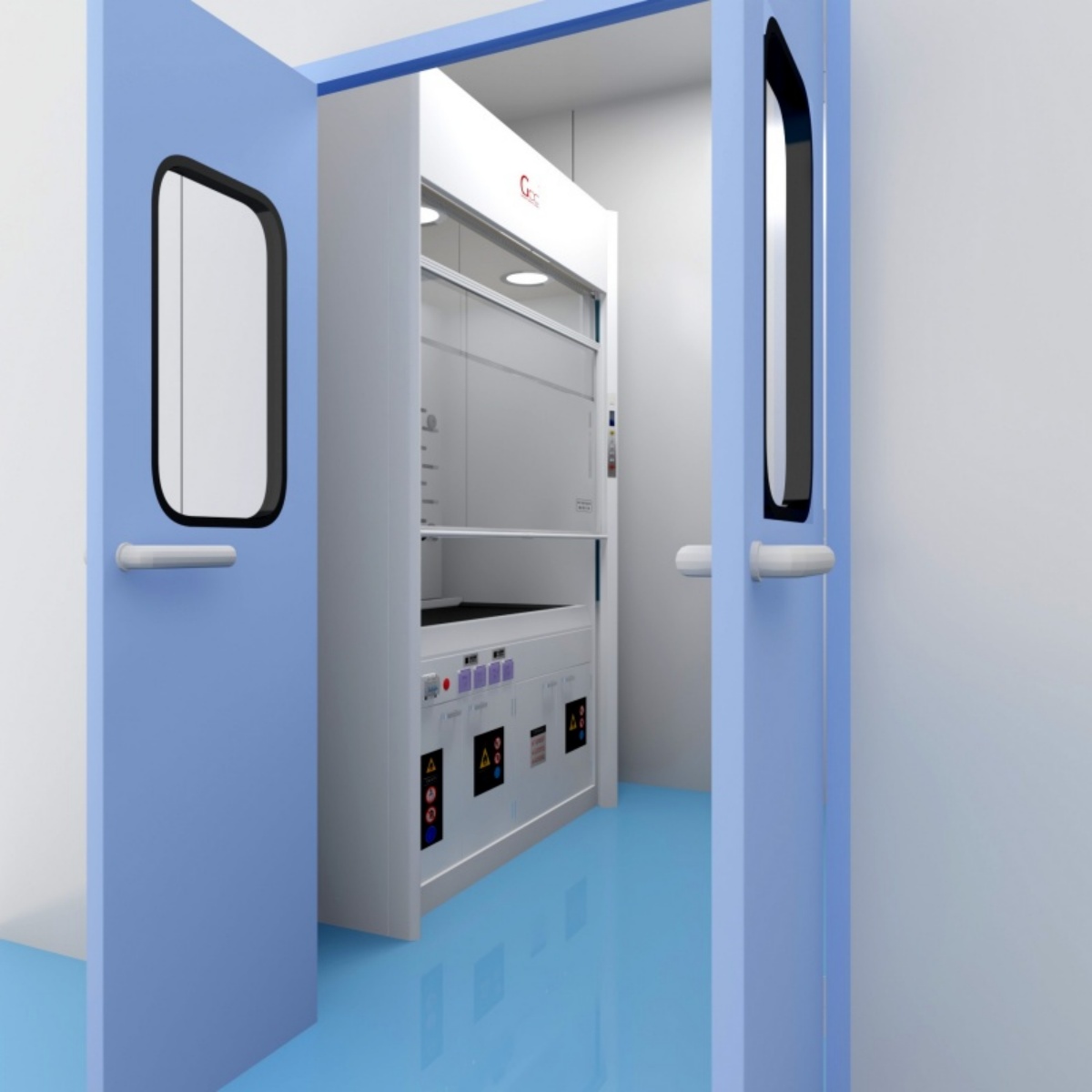
Establish a complete chemical inventory and SDS (Safety Data Sheet) database. Hazardous chemicals such as formalin, xylene, and acetone must be stored in dedicated cabinets with proper ventilation and controlled inventory. Staff should understand chemical hazards, spill response, and emergency treatment. Ventilation systems—especially fume hoods—must be checked regularly for effectiveness.
III. Workflow and Efficiency Management: The Engine of Smooth Operations
After ensuring quality and safety, optimizing workflow and increasing efficiency are essential for managing rising specimen volumes and shortening turnaround time.
- Optimized Layout and Workflow:
Design laboratory layout with engineering principles to ensure clear and efficient “specimen flow,” “personnel flow,” and “waste flow,” avoiding cross-contamination and backtracking. For example, arrange receiving, processing, staining, and diagnostic areas according to workflow sequence. - Automation and Technology Upgrades:
Introduce automated instruments such as fully automated tissue processors, embedding centers, stainers, and digital slide scanners. Automation reduces human errors, improves consistency, and frees technicians from repetitive tasks to focus on more valuable work. - Lean Management:
Apply lean principles to identify and eliminate waste (e.g., waiting, rework, unnecessary movement). Implement 5S (Sort, Set in Order, Shine, Standardize, Sustain) to maintain an organized workplace, reduce search time, and improve efficiency and morale. - Laboratory Information System (LIS):
Use LIS to achieve full digital management—from specimen receiving to processing, sectioning, diagnosis, and archiving. LIS can generate task lists automatically, monitor processing times, and alert overdue specimens, enabling refined management.
IV. Equipment and Material Management: The Foundation of Stable Operations
Precision equipment and stable reagents are essential for producing high-quality pathology slides.
- Equipment Lifecycle Management:
a. Procurement and Validation: Choose reliable brands with strong after-sales support. New instruments must undergo performance verification to ensure they meet required standards.
b. Routine Maintenance and Calibration: Create equipment files and implement daily/weekly/monthly preventive maintenance schedules. Calibrate critical equipment such as tissue processors and embedding stations regularly.
c. Emergency Response: Develop contingency plans for equipment failure, such as backup processing programs and alternative repair contacts, to minimize work disruption. - Reagent and Consumable Management:
Establish supplier evaluation systems. Verify the performance of critical reagents (especially primary antibodies) upon receipt. Implement inventory control, maintain a minimum safety stock level, and follow FIFO principles to avoid reagent expiration.
V. Personnel and Organizational Management: The Creators of Value
Technicians execute the management system and create value. Their skills and mindset directly affect output quality.
- Training and Team Development:
Establish comprehensive training for new staff and continuous education for existing members. Encourage participation in conferences and competitions to update knowledge. Build a structured team with a balanced mix of senior, mid-level, and junior staff. - Performance Evaluation and Incentives:
Develop a KPI system focusing on quality, efficiency, safety, and teamwork. Reward outstanding performers to foster a positive, excellence-oriented culture. - Communication and Culture:
Hold regular meetings to improve communication within the technical team and between technicians and pathologists. Promote professionalism, responsibility, attention to detail, and a supportive team culture.
Conclusion
Managing a pathology technical laboratory is a multidimensional, systematic engineering process—never something that can be fixed with fragmented solutions. Quality, safety, workflow, equipment, and personnel are interconnected pillars forming the framework of modern lab management. Managers must adopt a systems-engineering mindset to plan, coordinate, and continuously improve. Only then can the laboratory operate as a precise, efficient, safe, and harmonious technical platform that provides reliable pathological support for clinical care—truly becoming the “behind-the-scenes cornerstone” of precision medicine.