坤灵最新logo-scaled-1.png)
Introduction: Why Functional Zoning Is Central in Pathology Laboratory Design
The pathology laboratory is the “decision-making center” of a hospital’s diagnostic system. Its functional zoning directly affects diagnostic efficiency, medical safety, and quality control. A well-designed pathology lab transforms complex workflows into efficient spatial movements, reduces cross-contamination risks, and creates a human-centered working environment for staff. This article provides an in-depth analysis of the scientific principles and engineering practices for functional zoning in pathology laboratories.
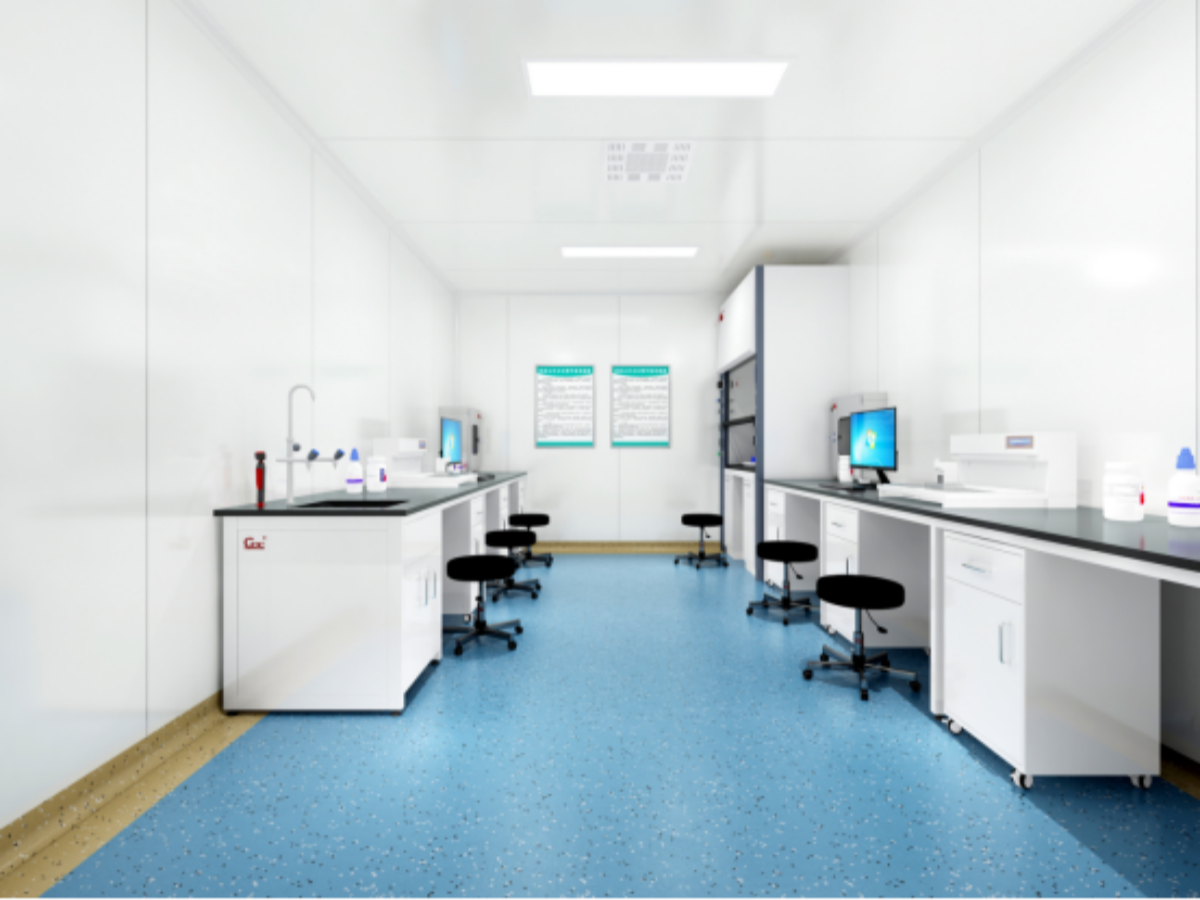
I. Five Core Functional Areas of a Pathology Laboratory
1. Specimen Reception and Preprocessing Area
- Function: Acts as the laboratory’s “gateway,” handling specimen registration, verification, and sorting.
- Engineering Requirements:
- Independent entrance with dedicated pass-through windows
- Negative pressure design to prevent aerosol diffusion
- Equipped with biosafety cabinets and cold-chain storage
- Floors made of corrosion-resistant, easy-to-clean materials
- Suggested Area Proportion: Approximately 8–10% of total lab area
2. Tissue Processing and Sectioning Area (Core Work Zone)
- Sub-modules:
- Fixation Zone: Equipped with well-ventilated formalin fixation stations
- Dehydration Zone: Centralized placement of dehydration machines and tissue processors
- Embedding Zone: Paraffin embedding stations with temperature control and exhaust
- Sectioning Zone: Precision microtomes arranged with anti-vibration design
- Staining Zone: Automated stainers with waste liquid recovery systems
- Key Technical Points:
- Strict temperature and humidity control (22±2°C, humidity <60%)
- Independent exhaust systems for formaldehyde and xylene
- Workflow-oriented layout to minimize specimen movement
3. Diagnostic and Auxiliary Diagnostic Area
- Routine Diagnostic Zone: Multiple pathologists sharing microscope workstations
- Molecular Pathology Zone (if applicable):
- Adheres to the “four-zone separation” principle: reagent prep, sample prep, amplification, product analysis
- Unidirectional airflow with pressure gradient control
- Independent HVAC and ventilation systems
- Digital Pathology Scanning Zone: Dedicated space for large scanners with stable power and network access
4. Specimen and Data Storage Area
- Recent Specimen Storage: Retrievable paraffin block and slide systems
- Long-term Archive: Controlled environment (18–22°C, humidity 40–60%)
- Electronic Data Server Room: Temperature and humidity controlled with dual power supply backup
5. Support and Auxiliary Area
- Reagent and Consumables Storage: Categorized storage, with dedicated safety cabinets for hazardous chemicals
- Waste Management Area: Temporary storage and preprocessing for medical waste
- Office and Learning Area: Clean, independent workspace
II. Core Engineering Principles for Functional Zoning
Workflow Priority
- Separate “specimen flow, personnel flow, and waste flow”
- Achieve a “dirty-to-clean” unidirectional process
- Example layout: specimen reception → preprocessing → sectioning → diagnosis → storage
Biosafety and Infection Control
- Different risk zones equipped with physical barriers and pressure gradients
- High-risk operations conducted inside biosafety cabinets
- Airflow direction: clean → semi-contaminated → contaminated
Flexibility and Expansion
- Modular design to accommodate future technology upgrades
- Pipelines and utilities designed for easy adjustment and expansion
III. Common Functional Zoning Patterns
| Layout Pattern | Advantages | Suitable Scenario | Considerations |
|---|---|---|---|
| Linear Flow | Clear workflow, reduces backtracking | Small to medium labs, limited space | Ensure matching workflow pace |
| Centralized Hub | High equipment sharing rate | Large pathology centers, multidisciplinary collaboration | Requires strict cross-contamination control |
| Modular Separation | Excellent contamination isolation, high safety | Labs with high-risk operations | May increase specimen and personnel movement distance |
IV. Key Implementation Details
- HVAC and Ventilation Systems
- Independent exhaust for tissue processing areas, ≥12 air changes/hour
- Diagnostic zones maintain positive pressure, preprocessing zones maintain negative pressure
- Exhaust gases such as formaldehyde and xylene treated professionally before release
- Integration of Intelligent Logistics Systems
- Reserve interfaces for automated specimen transport systems (e.g., pneumatic tubes)
- Deep integration of information systems with physical space
- Human-Centered Design Elements
- Ergonomically designed workstation heights and layouts
- Adequate natural and artificial lighting (diagnostic zone illumination ≥500 lux)
- Noise control: core zone ≤55 dB
V. Future Trends and Forward-Looking Planning
- Integrated Molecular Pathology: Reserve space and infrastructure for NGS, FISH, and other emerging technologies
- Digital Transformation: Larger-scale digital slide scanning equipment adoption
- Intelligent Management: IoT-based specimen tracking and environmental monitoring
- Green Lab Concepts: Energy-efficient equipment, eco-friendly materials, and upgraded waste liquid recycling systems
Conclusion
Functional zoning in pathology laboratories is a systematic engineering project integrating medical needs, engineering technology, and human-centered design. An excellent zoning plan enhances diagnostic efficiency and accuracy, protects staff health, and accommodates future medical technology development. Investing in scientific planning at the early stage significantly reduces long-term operating costs and creates a sustainable environment for pathology diagnostics.