Skip to content
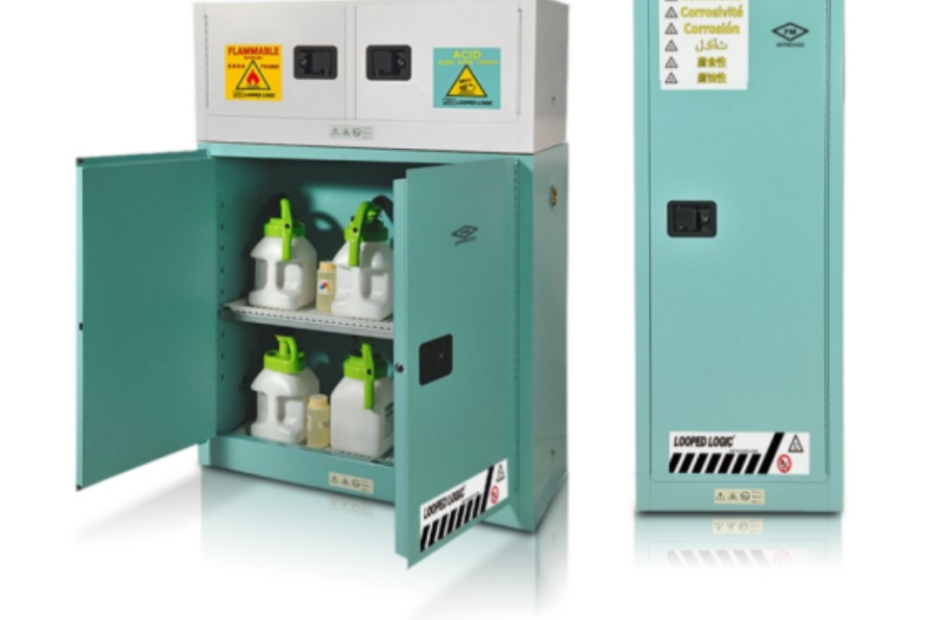
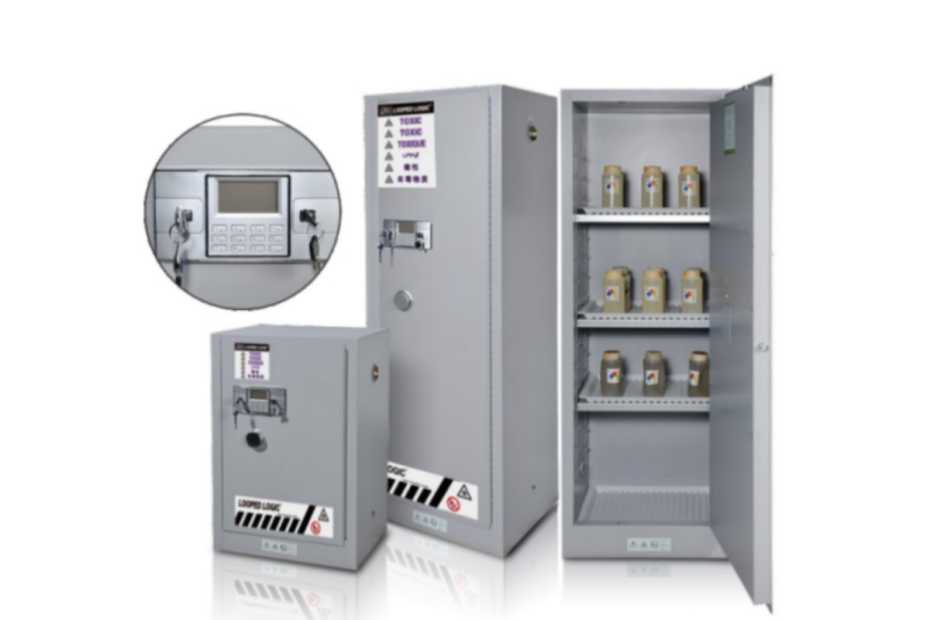
Front view of chemical explosion-proof cabinet for pathology lab

Guidelines for Using Chemical Explosion-Proof Cabinets in Pathology Departments

Introduction In pathology departments, hazardous chemicals such as xylene, ethanol, and formaldehyde (formalin) are widely used. These chemicals are essential for tissue fixation, dehydration, clearing, staining, and decalcification processes. However, their flammable, explosive, corrosive, and… Guidelines for Using Chemical Explosion-Proof Cabinets in Pathology Departments

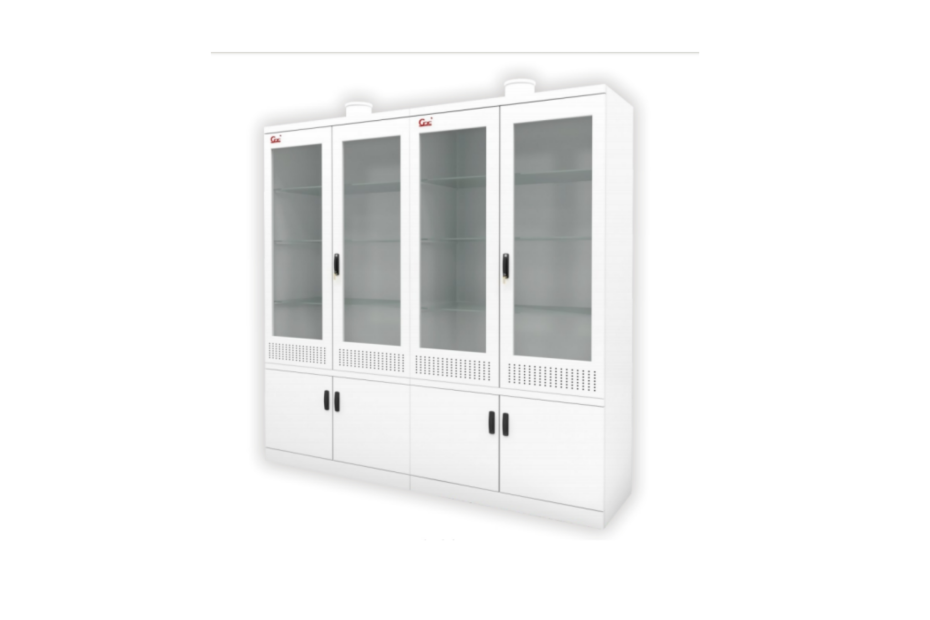
Ventilated refrigerated specimen cabinet in a pathology laboratory preserving tissue samples

Core Pathology Equipment: Ventilated Refrigerated Specimen Cabinets – Functions, Selection, and Application Guide

In modern hospital pathology departments, every accurate diagnosis begins with a well-preserved tissue specimen. The quality of the specimen directly impacts diagnostic accuracy and reliability. Among the critical steps that ensure specimen integrity, ventilated refrigerated… Core Pathology Equipment: Ventilated Refrigerated Specimen Cabinets – Functions, Selection, and Application Guide

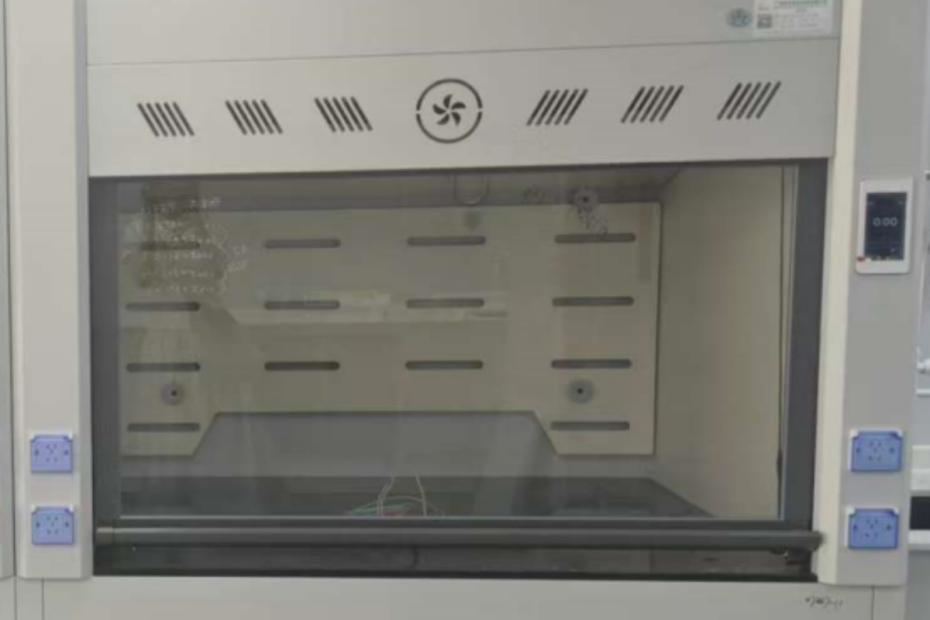
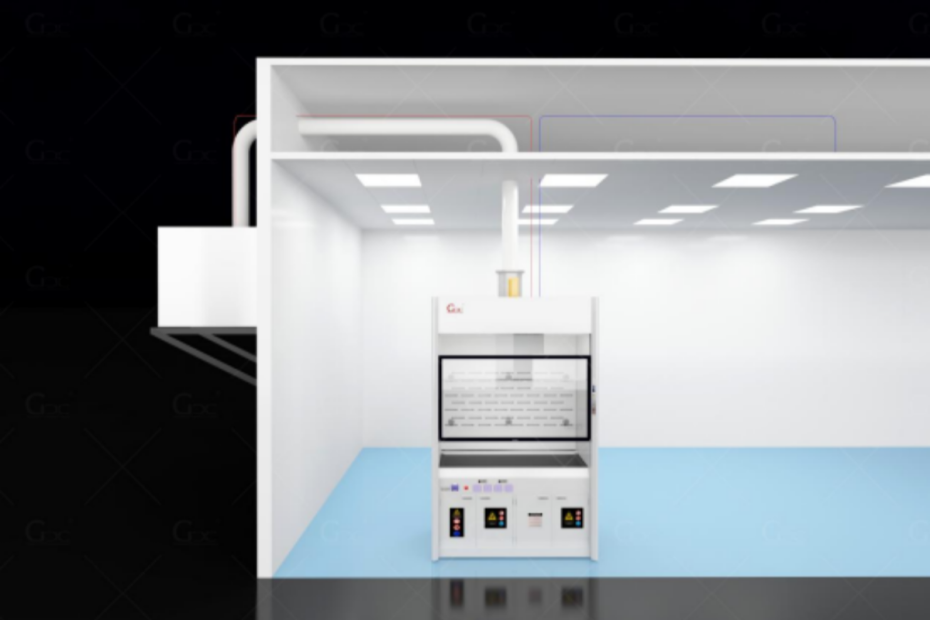
Fume hood in a pathology laboratory protecting staff and tissue samples from chemical and biological hazards

Fume Hoods: The Engineering Foundation of Environmental Safety and Specimen Protection in Pathology Laboratories

Pathology laboratories serve as the core of hospital diagnostics and research, handling large volumes of human tissue samples that continuously release hazardous contaminants. Throughout these workflows, volatile chemicals such as formaldehyde and xylene are frequently… Fume Hoods: The Engineering Foundation of Environmental Safety and Specimen Protection in Pathology Laboratories