坤灵最新logo-scaled-1.png)
Introduction to Tissue Processors in Biomedical Research Laboratories
Tissue processors are essential equipment in biomedical research laboratories, enabling accurate and efficient preparation of tissue samples for histology, pathology, and biotechnology research. These laboratory processing systems remove water and infiltrate tissues with paraffin wax, preserving cellular structures for precise microscopic analysis.
Proper tissue preparation ensures reliable research results and supports scientific discoveries. Today, automated tissue processing systems have become standard in modern biomedical facilities.
Why Tissue Processors Are Essential for Laboratory Research
Efficient tissue processing is critical in biomedical research. A histology processor automates multiple preparation steps, reducing manual handling and ensuring consistent, high-quality outcomes.
Key benefits include:
- Standardized sample preparation
- Reduced manual handling
- Improved laboratory efficiency
- Enhanced safety for laboratory personnel
- Consistent and reproducible results
Automated tissue processing systems are therefore indispensable in research laboratories.
Applications of Tissue Processors in Biomedical Research Laboratories
Histopathology Research and Disease Investigation
Tissue processors are widely used in histopathology research to prepare samples for microscopic examination. Researchers rely on tissue processing systems to study cellular structures and identify disease-related changes.
Common applications include:
- Cancer research
- Tumor analysis
- Organ pathology studies
- Infectious disease research
High-quality tissue preparation ensures accurate interpretation and reliable results.
Pharmaceutical Development and Drug Testing
Pharmaceutical laboratories use laboratory tissue processors to assess how drugs interact with biological tissues.
Typical applications include:
- Drug safety assessment
- Toxicology studies
- Preclinical research
- Drug efficacy evaluation
Automated tissue processing ensures precise and reproducible evaluation of pharmaceutical compounds.
Biotechnology and Life Sciences Research
Biotechnology labs rely on histology processors for advanced studies in life sciences.
Applications include:
- Stem cell research
- Regenerative medicine
- Genetic research
- Molecular biology studies
High-quality tissue preparation supports innovation in biotechnology and medical science.
Academic and Scientific Research Institutions
Universities and research institutes utilize tissue processing systems for both education and research purposes.
These systems support:
- Medical education programs
- Histology training
- Scientific research projects
- Experimental pathology studies
Automation enhances workflow efficiency and research consistency.
Clinical and Translational Research Laboratories
Clinical research labs use laboratory processors to support translational medicine, linking lab findings to clinical applications.
Applications include:
- Clinical trials
- Biomarker research
- Precision medicine
- Personalized treatment research
Proper tissue processing ensures reliable scientific data.
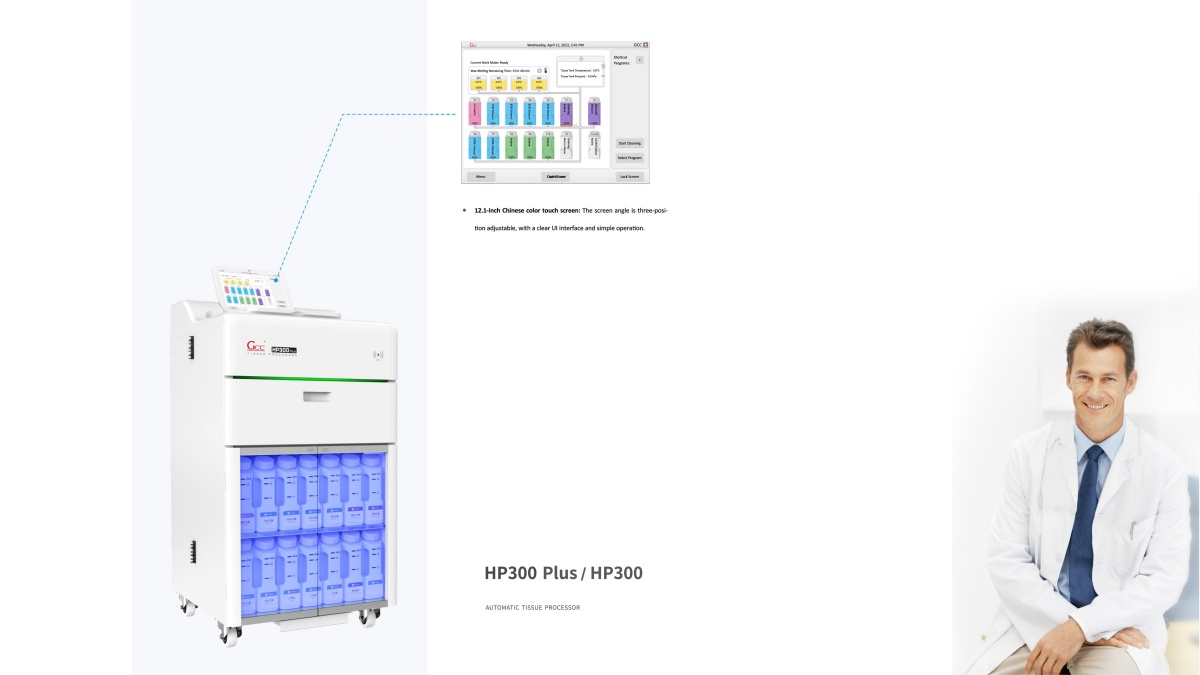
Key Features of Modern Tissue Processing Systems
Modern laboratory tissue processors are designed for efficiency, safety, and reliability.
Important features include:
- Automated Processing Programs: Programmable cycles for standardized preparation
- Vacuum and Pressure Technology: Enhances reagent penetration and sample quality
- Precision Temperature Control: Protects tissue integrity during paraffin infiltration
- User-Friendly Control Interface: Easy operation and monitoring
- Safety Protection Systems: Protects laboratory personnel and equipment
Integration with Histopathology Laboratory Workflow
Tissue processors are integrated with other lab instruments, such as:
- Embedding stations
- Microtomes
- Cryostats
- Biosafety cabinets
- Laboratory workstations
This integrated workflow ensures efficient and reliable lab operations.
Benefits for Modern Biomedical Research Laboratories
Installing automated histology processing systems offers several advantages:
- Increased laboratory productivity
- Improved specimen quality
- Reduced human error
- Enhanced safety
- Standardized research processes
These benefits support consistent and high-quality research results.
Future Trends in Biomedical Laboratory Processing Equipment
As biomedical research grows globally, demand for advanced tissue processing systems is increasing.
Future trends include:
- Higher automation levels
- Improved processing efficiency
- Enhanced safety features
- Smart digital control systems
- Energy-efficient designs
Modern laboratories increasingly rely on automated tissue processors to maintain research excellence.
Conclusion
Tissue processors are vital in biomedical research laboratories, ensuring accurate and efficient specimen preparation. They play a crucial role in disease research, pharmaceutical development, biotechnology innovation, and academic studies.
With the growth of biomedical research worldwide, reliable and advanced tissue processing systems will remain essential components of laboratory infrastructure.