坤灵最新logo-scaled-1.png)
What is an Embedding Station? | Pathology Lab Equipment Guide
Learn what an embedding station is, its key features, and its role in pathology labs. Discover how embedding centers improve efficiency and sample processing accuracy.
What is an Embedding Station?
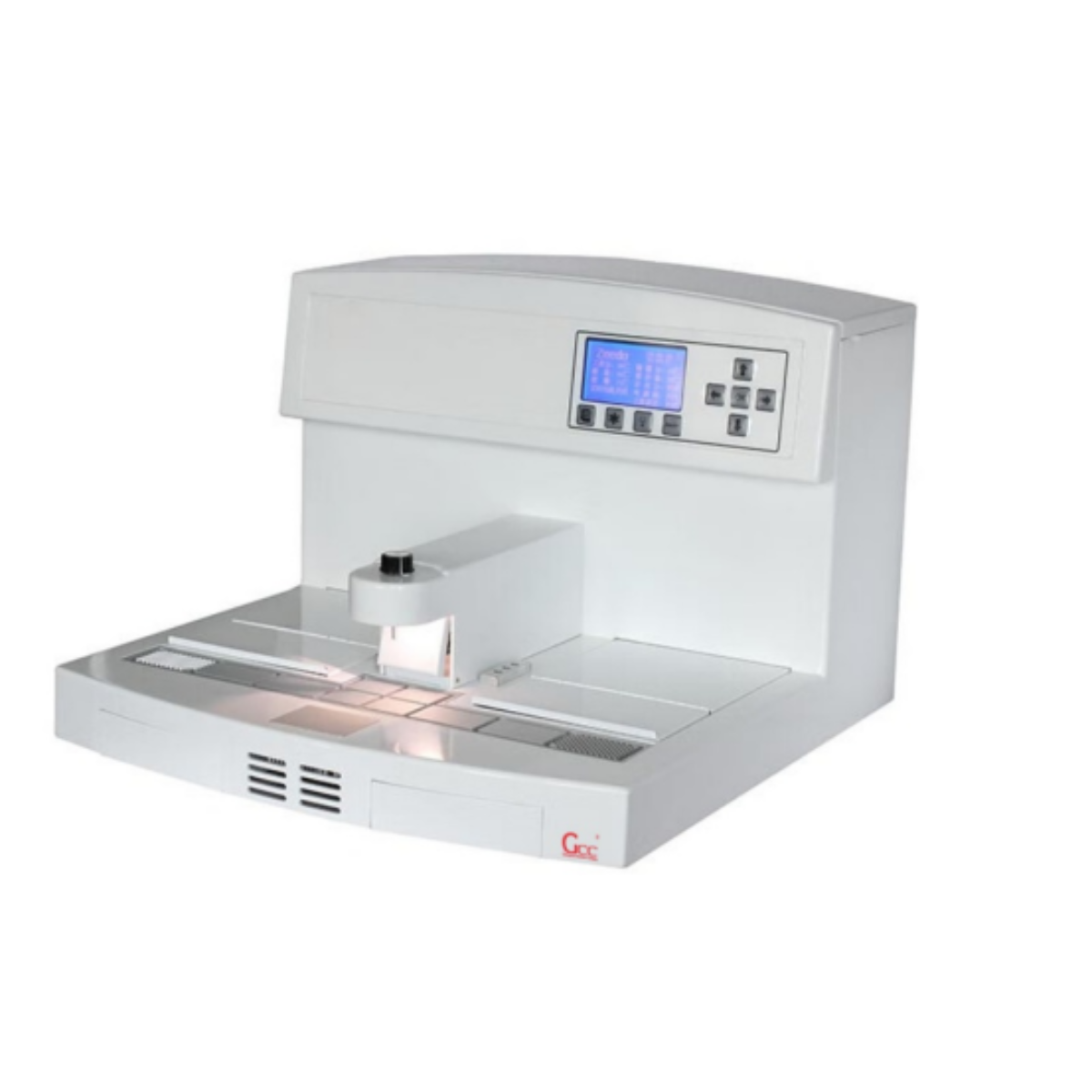
An embedding station is a specialized piece of laboratory equipment used in histopathology and pathology labs. Its primary function is to embed biological tissue samples into paraffin wax, which provides the necessary support for thin sectioning during the microtomy process. This step is crucial to preserve the structural integrity of the specimen for further microscopic examination.
Why Embedding Stations Are Important
Embedding is a critical step in tissue processing. Without proper embedding, samples may become distorted or damaged, leading to inaccurate diagnostic results. The embedding station ensures:
Consistent specimen orientation
Even paraffin infiltration
Improved reproducibility of slides
Higher efficiency in sample preparation
Key Features of an Embedding Station
Modern embedding stations come with advanced features that support both accuracy and ergonomics in laboratory work. Some essential features include:
1. Heated Paraffin Reservoir
Maintains paraffin wax at the required temperature for smooth embedding.
2. Cooling Plate
Rapidly solidifies the paraffin blocks, ensuring sample stability.
3. Adjustable Work Area
Designed for ergonomic use, allowing technicians to work comfortably.
4. Precision Controls
Temperature and timing controls ensure consistent quality across multiple samples.
5. User-Friendly Design
LED displays, foot switches, and modular setups enhance workflow efficiency.
Applications in Pathology Labs
Embedding stations are widely used in:
Histology labs – for tissue sample embedding before microtomy
Hospitals and clinics – for diagnostic sample preparation
Research institutions – where accurate tissue analysis is essential
Manual Embedding vs. Embedding Station
To better understand the value of an embedding center, here is a comparison:
| Aspect | Manual Embedding | Embedding Station |
|---|---|---|
| Efficiency | Low, labor-intensive | High throughput, continuous workflow |
| Temperature Control | Inconsistent | Precise digital control |
| Sample Quality | Variable | Consistent and reproducible |
| Operator Fatigue | High | Ergonomic design reduces fatigue |
| Processing Speed | Slow | Up to 2–3× faster |
| Error Rate | Higher risk | Reduced human error |
| Workflow Integration | Standalone | Integrated with lab systems |
👉 Key Insight:
Embedding stations can improve overall lab efficiency by 30–50%, especially in medium-to-high throughput laboratories.
How to Choose a Histology Embedding Center
When selecting an embedding station, laboratories should consider the following key factors:
1. Throughput Capacity
- Number of samples processed per day
- Suitable for small labs vs. high-volume hospitals
2. Temperature Stability & Accuracy
- Critical for paraffin consistency
- Look for ±1°C precision control
3. Ergonomic Design
- Operator comfort for long working hours
- Foot pedal and intuitive layout
4. Material & Durability
- Prefer 304 stainless steel construction
- Corrosion-resistant and easy to clean
5. System Integration
- Compatibility with:
- Tissue processors
- Microtomes
- Laboratory workflow systems
6. Maintenance & Reliability
- Easy cleaning and wax replacement
- Long service life with stable performance
Frequently Asked Questions
What is a tissue embedding station and how does it work?
An embedding station is used to encase processed tissue specimens in paraffin blocks for sectioning. It typically includes a paraffin dispenser, heated work surface, cold plate, and storage compartment. What is an Embedding Station
How to choose an embedding station for your histopathology lab?
Consider factors such as daily embedding volume, paraffin capacity, temperature control precision, cold plate efficiency, and whether you need an automatic or manual system. Embedding Station Guide
What is the role of embedding stations in histopathology workflow?
Embedding stations bridge tissue processing and microtomy. Proper embedding ensures correct tissue orientation for sectioning, directly impacting slide quality and diagnostic accuracy. Embedding Station in Histopathology
What equipment is needed for a histology laboratory?
A complete histology lab requires grossing stations, tissue processors, embedding stations, microtomes, water baths, staining systems, coverslippers, microscopes, and fume hoods. Histology Lab Equipment List
How does a tissue processor work in histopathology?
A tissue processor automates the dehydration, clearing, and paraffin infiltration of tissue specimens. It moves samples through graded alcohols, xylene, and molten paraffin under controlled temperature and vacuum conditions. What is a Tissue Processor
Conclusion
An embedding station is a vital tool in the pathology workflow, enabling accurate and reliable preparation of tissue samples for microscopic examination. By providing consistent paraffin embedding, these devices improve diagnostic precision and laboratory efficiency.
alternative versions of this article — one more marketing-focused (for sales pages) and one more academic-style (for educational content). Would you like me to create those too?
Enhance Your Pathology Laboratory with Trusted Equipment & Solutions
GCC Pathology delivers advanced pathology instruments, integrated solutions, and expert support tailored to your lab’s needs.
Ensure precision, safety, and efficiency with our world-class products and services.
Contact Us Today to discuss your project.