坤灵最新logo-scaled-1.png)
In modern pathological diagnosis, precision, efficiency, and safety form the three pillars of departmental operations. This article systematically explores the five core areas of greatest concern to pathology departments, providing comprehensive professional guidance for departmental development.
As a crucial diagnostic department in hospitals, the equipment and workflows in pathology departments directly impact diagnostic accuracy and medical quality. Current pathology departments face multiple challenges including image quality, system integration, biosafety, compliance certification, and operational experience, requiring integrated solutions.
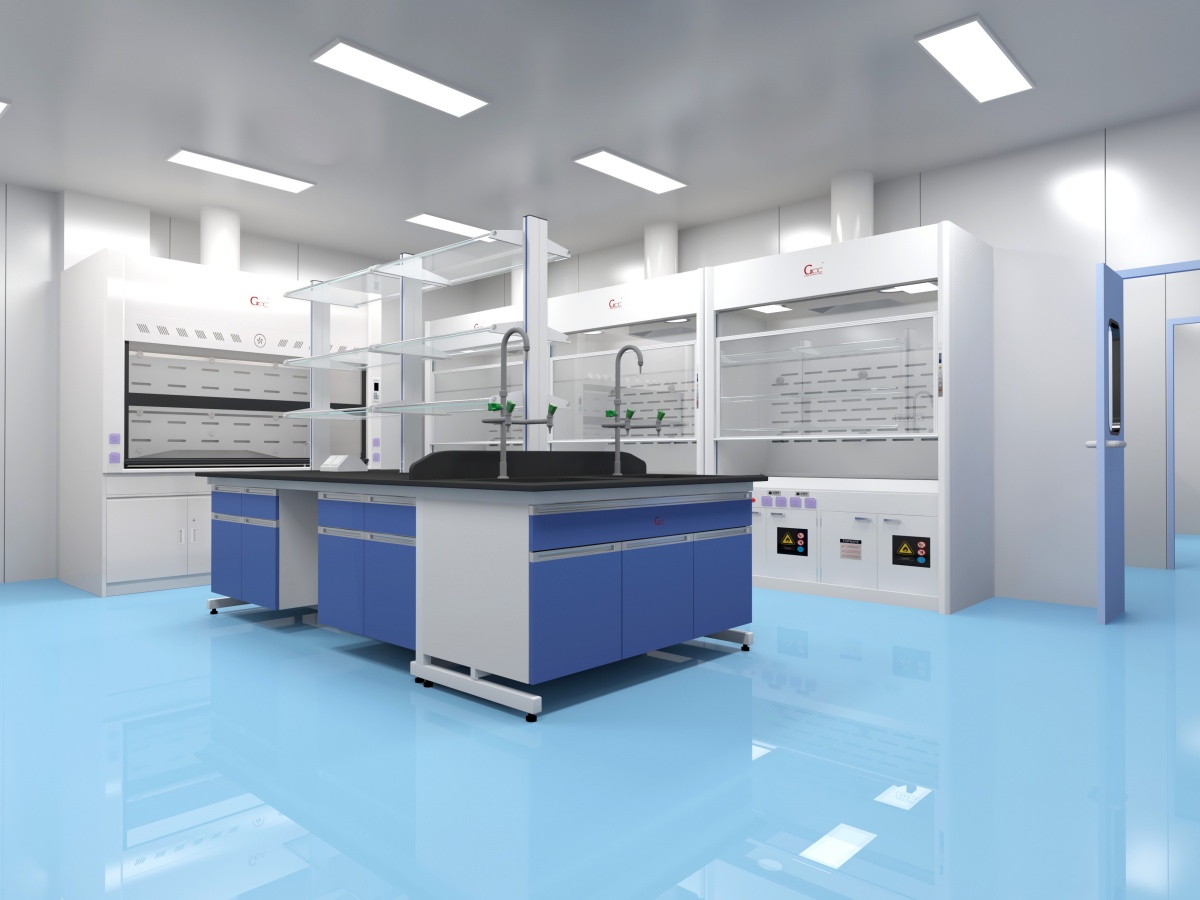
1. Diagnostic Accuracy and Image Quality Assurance
Image quality forms the foundation of pathological diagnosis, directly affecting diagnostic accuracy. First, high-resolution imaging systems provide sufficient pixel density, ensuring clear visibility of fine cellular and tissue structures. Second, the proper configuration of optical and digital zoom offers pathologists flexible observation methods, enabling both overall tissue structure assessment and detailed local examination.
In practical operations, color reproduction is equally crucial. True color representation accurately reflects tissue staining conditions, preventing misjudgments caused by color differences. Meanwhile, appropriate minimum shooting distance ensures complete specimen observation, while remote consultation capabilities break geographical barriers, enabling expert resource sharing.
2. Workflow and System Integration Optimization
The level of system integration directly impacts the operational efficiency of pathology departments. Excellent pathology solutions should seamlessly integrate with existing hospital LIS and PACS systems, enabling automatic data flow and sharing. This not only reduces repetitive operations but, more importantly, ensures data consistency and integrity.
In terms of data management, systems should support multiple export formats to meet data usage requirements in different scenarios. Barcode tracking and case number management functions further enhance work efficiency by reducing manual operations through automation, thereby minimizing error rates.
3. Biosafety and Contamination Control Systems
Biosafety represents a non-negotiable baseline requirement for pathology departments. Comprehensive exhaust and wastewater treatment systems effectively prevent pathogen dissemination, protecting healthcare workers and environmental safety. HEPA filtration system configurations ensure air quality standards are met, while scientific disinfection and sterilization solutions provide reliable protection for daily operations.
Special attention must be paid to the control of hazardous substances such as formaldehyde. High-quality pathology equipment should feature effective formaldehyde emission protection measures and odor control systems, which not only concern the health safety of operating personnel but also affect workplace comfort.
4. Compliance Certification and Quality Standards
Medical equipment compliance is a prerequisite for ensuring medical quality. International certifications such as CE, ISO 13485, and ISO 9001 not only demonstrate product quality but also guarantee equipment safety and effectiveness. Simultaneously, compliance with regional regulations like EU-GMP, CAP, and CLIA ensures equipment applicability across different healthcare systems.
In material selection, the use of medical-grade 304 stainless steel and other materials, combined with human-centric considerations such as rounded-edge designs, meets both cleaning and disinfection requirements while enhancing equipment lifespan and safety.
5. Operational Experience and Human-Centric Design
Excellent operational experience significantly enhances work efficiency and reduces the workload of medical staff. Appropriately sized displays coupled with intuitive touch operations enable pathologists to focus more on diagnosis itself. Adjustable cutting table height designs fully consider different users’ operating habits, effectively reducing occupational injuries.
Furthermore, simple cleaning and maintenance designs not only save time costs but, more importantly, ensure continuous stable equipment operation. These optimized details collectively constitute a positive user experience, ultimately serving accurate and efficient pathological diagnosis.
Frequently Asked Questions
How to minimize formaldehyde exposure in pathology labs?
Minimize formaldehyde exposure through proper ventilation, formalin filling systems, down-draft exhaust on grossing stations, personal protective equipment, and regular air quality monitoring. Formaldehyde Exposure Guide
What ISO and quality standards apply to pathology laboratories?
Pathology labs typically comply with ISO 15189 (medical laboratories), CAP (College of American Pathologists) requirements, and GMP standards for quality management and operational consistency. Pathology Lab Quality Control
What biosafety level is required for a pathology lab?
Most clinical pathology labs operate at BSL-2 level, requiring biosafety cabinets for specimen handling, proper waste management, and adherence to standard precautions for infection control. Lab Safety Standards
What is the difference between ducted and ductless fume hoods?
Ducted fume hoods exhaust contaminated air outside the building through ductwork, ideal for high-volume chemical use. Ductless fume hoods use HEPA and activated carbon filtration to clean and recirculate air, offering flexible installation. Pathology Fume Hood Guide
What are the key standards for pathology laboratory design?
Pathology lab design must comply with ISO 15189, CAP, and local biosafety regulations. Key considerations include workflow zoning, pressure differentials, airflow management, and equipment layout. Pathology Lab Design Standards
Conclusion
The development of modern pathology departments is a systematic project requiring comprehensive consideration of multiple dimensions including image quality, system integration, biosafety, compliance certification, and operational experience. Excellent pathology solutions should achieve balanced development across these five areas, ensuring both diagnostic accuracy and work efficiency improvement while guaranteeing operational safety.
By comprehensively optimizing these key aspects, pathology departments can provide more reliable and efficient diagnostic support for clinical practice, ultimately benefiting patients. As technology continues to evolve, pathology departments will advance toward greater intelligence, integration, and standardization, providing stronger support for precision medicine.
Enhance Your Pathology Laboratory with Trusted Equipment & Solutions
GCC Pathology delivers advanced pathology instruments, integrated solutions, and expert support tailored to your lab’s needs.
Ensure precision, safety, and efficiency with our world-class products and services.
Contact Us Today to discuss your project.