坤灵最新logo-scaled-1.png)
In pathology laboratories, the proper arrangement of equipment and the efficient design of furniture are crucial for improving workflow and ensuring laboratory safety. With continuous technological advancements, the functional requirements of pathology laboratories are constantly evolving. Selecting the right furniture and equipment has become an essential part of the design and construction process. This solution focuses on the core needs of pathology laboratories, highlighting the integrated application of fume hoods, grossing stations, and pathology-specific workbenches to create a highly efficient and safe working environment.
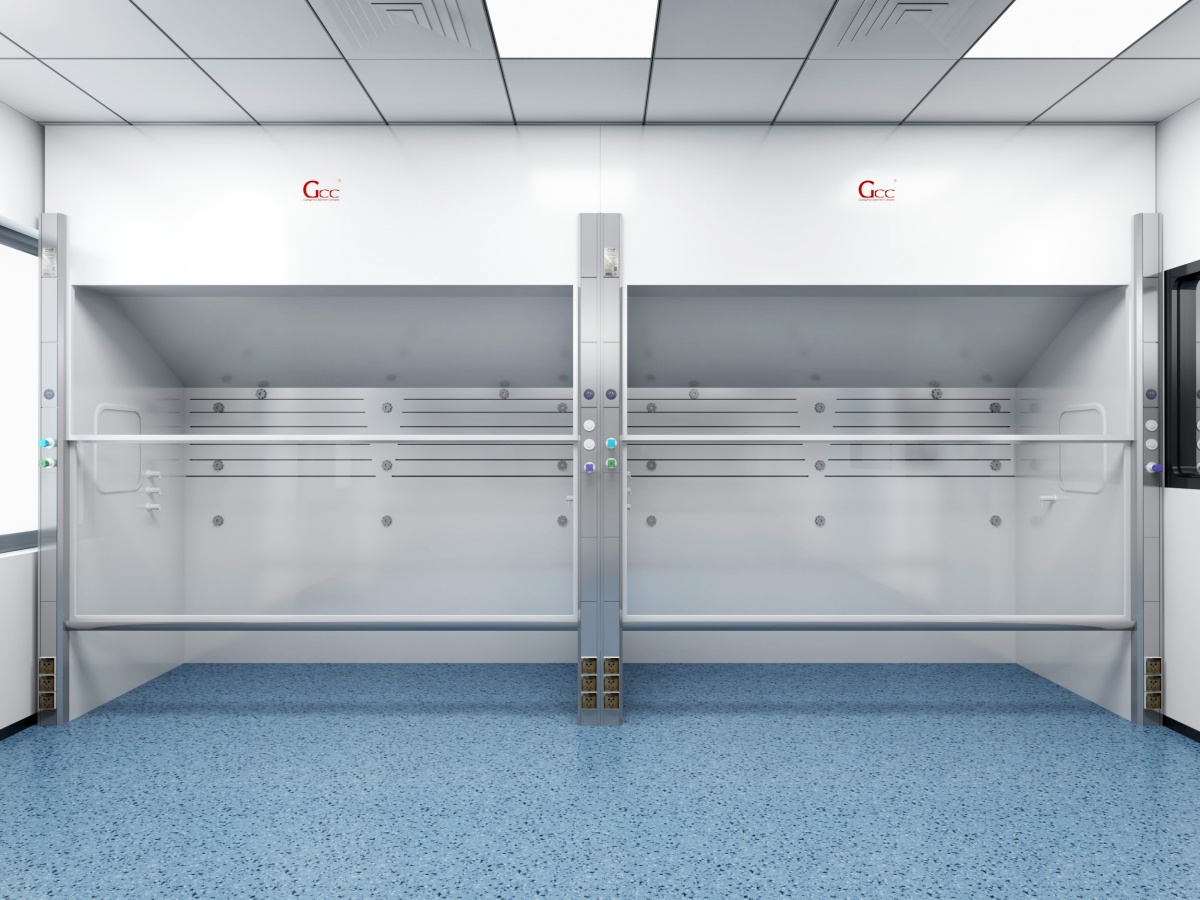
1. Fume Hoods: Ensuring Laboratory Safety
Fume hoods are indispensable in pathology laboratories, effectively removing hazardous gases generated during experiments and protecting personnel health. For pathology-specific applications, fume hoods should have the following features:
- High-Efficiency Exhaust Design: Ensures the ventilation system meets laboratory safety standards and prevents harmful gas exposure.
- Precise Airflow Control: Advanced airflow design guarantees uniform and stable airflow, maximizing protection against contamination.
- Corrosion-Resistant Materials: Since pathology often involves chemical reagents, fume hoods must be made of acid- and corrosion-resistant materials to extend equipment lifespan.
2. Grossing Stations: Enhancing Accuracy and Efficiency
The grossing process in pathology is critical. Ensuring operational accuracy and efficiency is a key focus when designing grossing stations. Ideal grossing stations should include:
- Ergonomic Design: Work surface height and workspace are designed according to laboratory operations and user habits to minimize fatigue.
- Contamination Prevention: Use water- and corrosion-resistant surfaces that are easy to clean and disinfect, reducing cross-contamination risks.
- Integrated Design: Combine with other pathology equipment, such as microscopes and reagent racks, to enhance workflow efficiency.
3. Pathology-Specific Workbenches: Providing Stable Support for High-Precision Experiments
Pathology-specific workbenches are essential for cellular and tissue analysis and experimental procedures. They must not only meet basic functional requirements but also be customizable to specific laboratory needs. Key features include:
- Stable Work Surface: The bench must be highly stable to prevent vibrations or impacts from affecting experimental results.
- Modular Design: Supports flexible configurations for different experimental requirements.
- Built-In Storage: Utilizes under-bench and side storage areas for organized placement of tools and consumables, minimizing clutter.
4. Advantages of Integrated Furniture and Equipment
Integrating fume hoods, grossing stations, and pathology workbenches with laboratory furniture can enhance efficiency, optimize space, and improve safety and comfort. Key advantages include:
- Space Optimization: Thoughtful layout maximizes limited space and prevents overcrowding.
- Improved Workflow Efficiency: Integrated design reduces unnecessary movement during experiments, keeping tools and equipment within easy reach.
- Reduced Contamination Risk: Overall design minimizes the spread of contaminants, ensuring a clean and controlled laboratory environment.
Frequently Asked Questions
How to minimize formaldehyde exposure in pathology labs?
Minimize formaldehyde exposure through proper ventilation, formalin filling systems, down-draft exhaust on grossing stations, personal protective equipment, and regular air quality monitoring. Formaldehyde Exposure Guide
What ISO and quality standards apply to pathology laboratories?
Pathology labs typically comply with ISO 15189 (medical laboratories), CAP (College of American Pathologists) requirements, and GMP standards for quality management and operational consistency. Pathology Lab Quality Control
What biosafety level is required for a pathology lab?
Most clinical pathology labs operate at BSL-2 level, requiring biosafety cabinets for specimen handling, proper waste management, and adherence to standard precautions for infection control. Lab Safety Standards
What is the difference between ducted and ductless fume hoods?
Ducted fume hoods exhaust contaminated air outside the building through ductwork, ideal for high-volume chemical use. Ductless fume hoods use HEPA and activated carbon filtration to clean and recirculate air, offering flexible installation. Pathology Fume Hood Guide
What are the key standards for pathology laboratory design?
Pathology lab design must comply with ISO 15189, CAP, and local biosafety regulations. Key considerations include workflow zoning, pressure differentials, airflow management, and equipment layout. Pathology Lab Design Standards
5. Conclusion: Customized Solutions for Laboratory Success
Integrated furniture and equipment solutions are an essential component of modern pathology laboratory construction. Through scientific design and strategic layout, laboratories can improve operational efficiency, ensure safety, and provide a more comfortable working environment for researchers. Choosing the right fume hoods, grossing stations, and pathology-specific workbenches enables pathology labs to achieve highly efficient, safe, and comfortable workflows. For optimal equipment performance, it is recommended to implement customized solutions tailored to actual laboratory needs, ensuring the best possible experimental environment.