坤灵最新logo-scaled-1.png)
Supporting High-Throughput, Standardized Pathology Workflows
Introduction: Tissue Processing in Independent Diagnostic Laboratories
Third-party medical diagnostic laboratories play a vital role in modern healthcare systems. By providing pathology and histology services to hospitals, clinics, and healthcare networks, these laboratories handle large sample volumes while maintaining strict requirements for accuracy, consistency, and turnaround time.
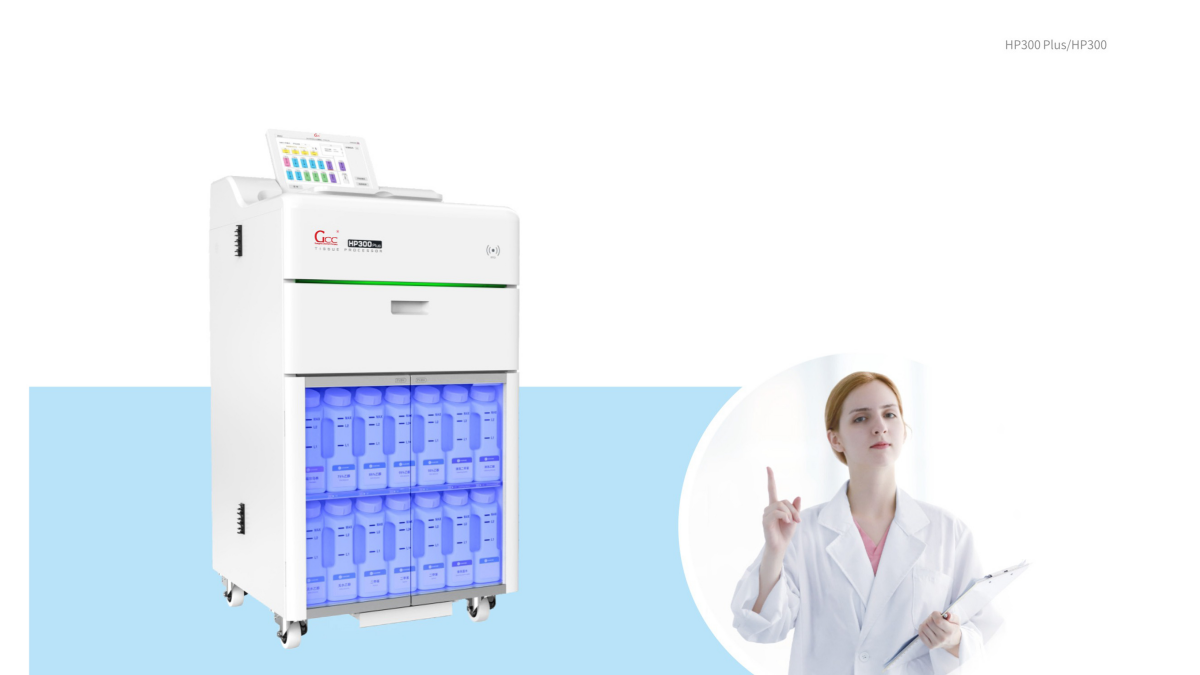
In this context, the Tissue Processor is a core piece of pathology infrastructure. It directly affects processing efficiency, workflow stability, and the reliability of diagnostic outcomes. Therefore, selecting a suitable tissue processing system is a key decision for independent diagnostic laboratories aiming for long-term operational success.
High Sample Volume Requires Stable and Efficient Processing
Compared with hospital-based pathology departments, third-party diagnostic laboratories often face higher and more variable daily workloads. Samples may arrive continuously from multiple sources, which makes stable throughput essential.
As a result, tissue processing systems must:
- Handle continuous or batch processing efficiently
- Maintain consistent performance under high workloads
- Reduce downtime and workflow interruptions
Automated tissue processors help laboratories manage these demands by standardizing dehydration, clearing, and infiltration steps. Consequently, laboratories can improve turnaround time without compromising tissue quality.
Standardization and Consistency Across Multiple Clients
Third-party laboratories typically serve many healthcare providers, each relying on consistent diagnostic quality. For this reason, variability in tissue processing must be minimized.
Automated tissue processors support standardized protocols by:
- Reducing manual handling
- Ensuring repeatable processing conditions
- Delivering uniform tissue quality across different sample types
Moreover, consistent tissue preparation improves downstream processes such as embedding, sectioning, and staining. In turn, this supports reliable diagnostic interpretation and strengthens client trust.
Workflow Optimization and Labor Efficiency
In addition to processing quality, operational efficiency is a major concern for independent diagnostic laboratories. Staffing costs, training requirements, and workload management all influence overall performance.
By integrating automated tissue processors into daily workflows:
- Manual intervention is reduced
- Technicians can focus on higher-value tasks
- Processing schedules become more predictable
Therefore, laboratories can achieve better resource utilization while maintaining stable output, even during peak demand periods.
Scalability for Laboratory Growth and Expansion
Many third-party medical diagnostic laboratories are expanding their service scope or geographic coverage. As sample volumes grow, equipment scalability becomes increasingly important.
Modern tissue processors offer:
- Flexible capacity options
- Programmable protocols for diverse sample types
- Compatibility with future workflow upgrades
This flexibility allows laboratories to adapt to increasing demand without frequent equipment replacement, supporting sustainable long-term development.
GCC Tissue Processor Solutions for Independent Diagnostic Laboratories
As a manufacturer of pathology laboratory equipment, GCC provides tissue processor solutions designed for the practical needs of third-party medical diagnostic laboratories. Based on actual workflow requirements, GCC supports:
- Parameter confirmation and model selection
- Configuration planning for different throughput levels
- Stable operation suitable for continuous laboratory use
By focusing on reliability, efficiency, and long-term performance, GCC tissue processors help independent laboratories establish standardized, scalable, and cost-effective pathology processing systems.
Frequently Asked Questions
How does a tissue processor work in histopathology?
A tissue processor automates the dehydration, clearing, and paraffin infiltration of tissue specimens. It moves samples through graded alcohols, xylene, and molten paraffin under controlled temperature and vacuum conditions. What is a Tissue Processor
Automatic vs manual tissue processor — which one is right for your lab?
Automatic tissue processors offer higher throughput, consistent results, and reduced technician involvement, making them ideal for busy labs. Manual processors may suit smaller facilities with lower specimen volumes. Automatic vs Manual Tissue Processors
How to choose a tissue processor based on daily processing volume?
Your daily specimen volume is the primary factor. Low-volume labs (under 50 samples/day) may use smaller benchtop models, while high-throughput labs (100+ samples/day) need larger capacity systems with multiple processing chambers. Tissue Processor Selection
What ventilation is required for tissue processors?
Tissue processors use xylene and other solvents that require proper ventilation. Fume extraction and room ventilation systems are essential to maintain safe air quality in histology laboratories. Tissue Processor Ventilation
What equipment is needed for a histology laboratory?
A complete histology lab requires grossing stations, tissue processors, embedding stations, microtomes, water baths, staining systems, coverslippers, microscopes, and fume hoods. Histology Lab Equipment List
Conclusion: A Reliable Foundation for Diagnostic Services
In third-party medical diagnostic laboratories, tissue processing is more than a technical step—it is the foundation of diagnostic accuracy and service reliability. Choosing the right tissue processor helps laboratories improve efficiency, maintain consistency, and support long-term growth.
With appropriate system selection and professional technical support, tissue processors become a strategic asset for independent diagnostic laboratories operating in today’s demanding healthcare environment.
GCC — Your trusted laboratory equipment partner.