坤灵最新logo-scaled-1.png)
In the field of histopathology, the microtome is one of the most frequently used and mechanically sophisticated instruments. Even a precision-engineered microtome can experience accuracy drift over time without systematic maintenance. This leads to issues such as compressed sections, uneven thickness, or even damage to tissue specimens.
This guide provides a detailed walkthrough of effective microtome maintenance, blade care, and daily cleaning protocols to ensure your laboratory consistently maintains high diagnostic efficiency.
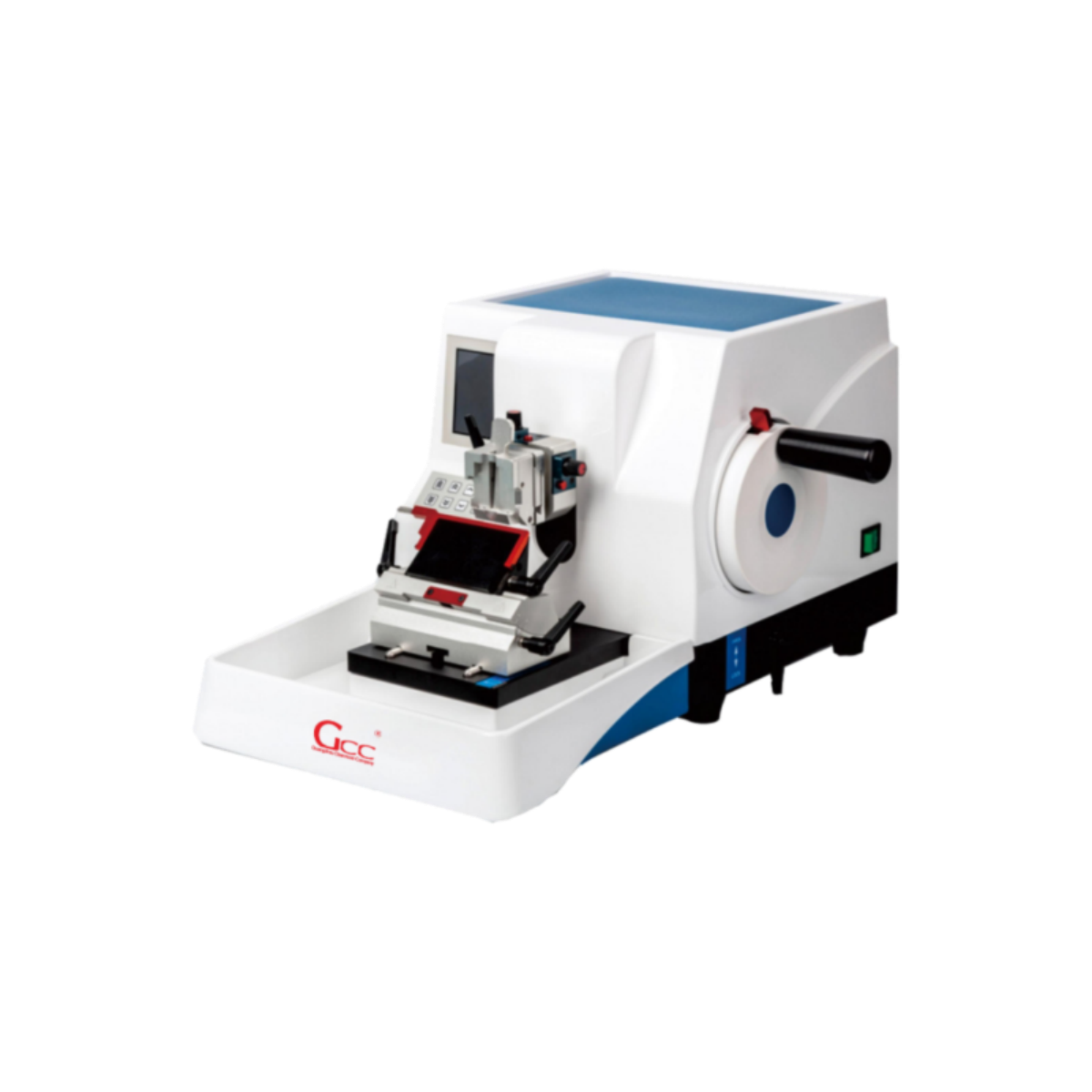
1. Daily Cleaning Protocol: Prevention is Key
Paraffin residue is the primary “enemy” of a microtome. The buildup of paraffin on mechanical gears or guide rails increases friction, which eventually compromises feed precision.
Paraffin Removal: At the end of each workday, use a soft brush to remove paraffin debris from the waste tray and the body of the instrument. Never use metal scrapers, as they can scratch precision coatings.
Solvent Use: You may use a small amount of xylene substitute or a dedicated laboratory cleaner to wipe the exterior, but ensure you avoid the precision bearings and internal drive components.
Waste Tray Maintenance: Ensure the waste tray is emptied promptly to prevent paraffin chips from falling into the base and interfering with the mechanical movement.
2. Blade Maintenance and Care (How to Sharpen Microtome Blades)
While most modern laboratories utilize disposable steel blades, blade sharpening and care remain core skills for laboratories using fixed knives.
Blade Inspection: Inspect the blade edge under a microscope. If nicks or serrations are found, the blade must be sharpened or replaced immediately; otherwise, it will cause longitudinal scratches on the sections.
Honing and Polishing: Use a dedicated microtome knife sharpener for the process.
Process: Use a coarse abrasive paste to correct the angle first, followed by a fine paste for a mirror finish.
Note: Ensure the grinding angle matches the microtome’s installation angle, typically maintaining a clearance angle between 5° and 8°.
Disposable Blades: If using disposable blades, do not over-use the same position for cutting hard tissues; move the blade holder regularly to utilize the entire length of the cutting edge.
3. Lubrication and Calibration of Core Mechanical Parts
The smoothness of the precision advancement system determines the consistency of section thickness.
Regular Lubrication: Inspect the guide rails and feed screw once a month. Use high-quality lubricants recommended by a professional pathology equipment service. Avoid generic oils, as low-grade oils can clump when mixed with paraffin dust.
Calibration Checks:
Zero-Point Calibration: Periodically check if the feed handwheel scale aligns with the actual advancement volume.
Lateral Play: Check the specimen clamp for any side-to-side looseness. If lateral play exists, it will cause uneven section thickness and requires a professional technician for micro-adjustment.
4. Environmental Impact on Precision
Microtomes are highly sensitive to environmental temperature.
Avoid Heat Sources: The microtome should not be placed near heat-generating equipment such as tissue processors or embedding stations. Temperature fluctuations cause metal expansion and contraction, affecting micron-level sectioning accuracy.
Dust Protection: During non-working hours, always cover the microtome with a dedicated dust cover.
5. GCC: More Than Equipment, We Provide Expertise
At GCC, we understand that diagnostic accuracy is vital to patient health. Therefore, we provide more than just high-quality microtomes; we offer comprehensive technical support and professional pathology equipment service.
Our Integrated Engineering Solutions include:
Preventative Maintenance Plans: Periodic deep cleaning and accuracy verification conducted by GCC-certified engineers.
Original Parts Supply: High-hardness disposable blades and specialized precision lubricants to keep your equipment in peak condition.
Technical Training: Operation and basic maintenance training for your laboratory staff to improve overall workflow efficiency.
�� Consult on Your Equipment Maintenance Plan
Is your microtome experiencing unusual noise or a drop in precision due to a lack of maintenance? Contact GCC technical experts for professional maintenance advice or original parts inquiries.
WhatsApp: +86 18148635992
Email: Sales@gzkunling.com
Website: www.gccpathology.com