坤灵最新logo-scaled-1.png)
In modern pathology laboratories, a Pathology Grossing Station plays a critical role in the tissue sampling and examination process. It is the primary workstation where pathologists and technicians perform specimen dissection, measurement, documentation, and preparation before histological analysis.
Choosing the right Pathology Grossing Station is essential for ensuring laboratory safety, operational efficiency, and compliance with hygiene standards. A well-designed station not only improves workflow but also protects laboratory personnel from exposure to harmful chemicals such as formalin.
This guide explains the key factors laboratories should consider when selecting a suitable pathology grossing station.
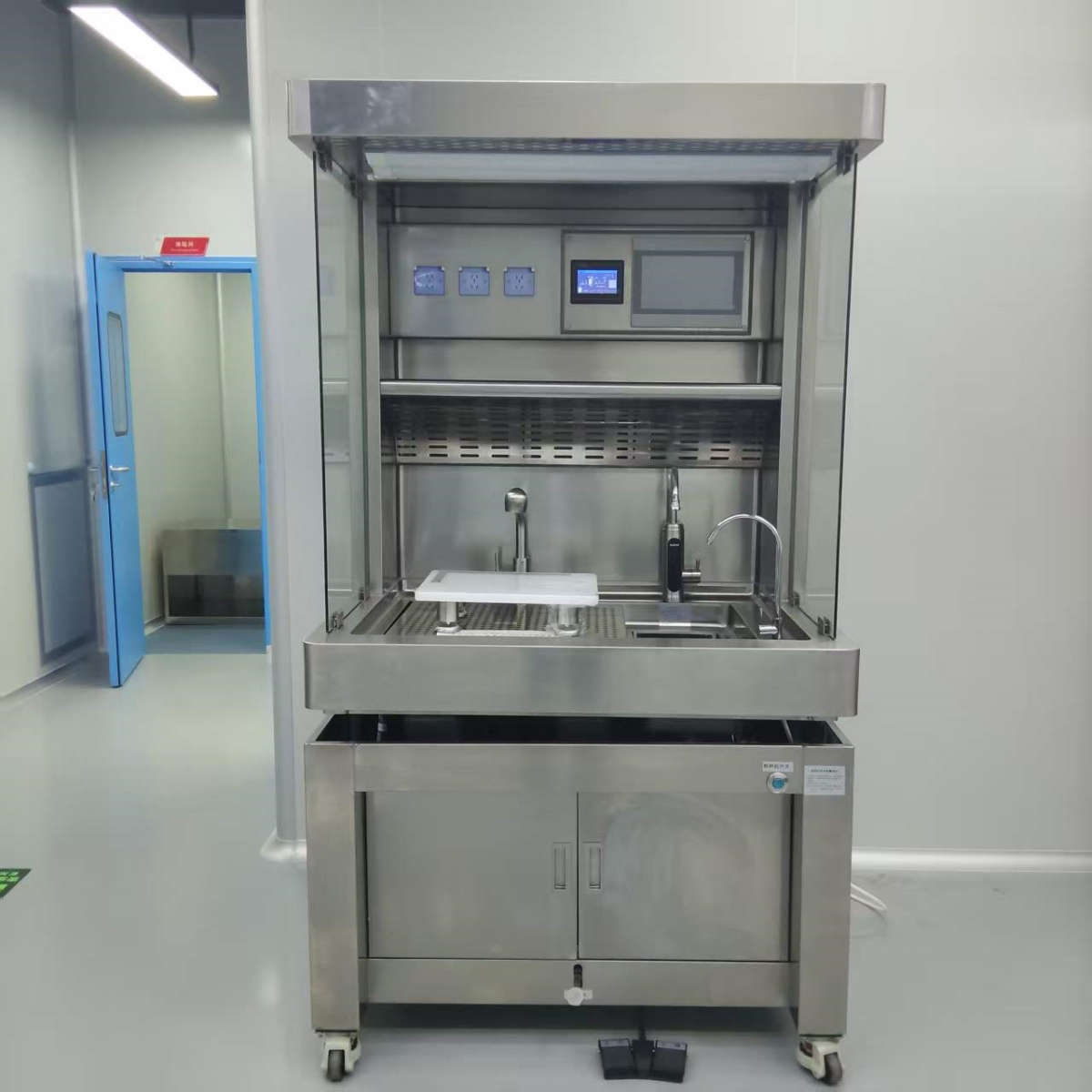
1. Material and Structural Quality
One of the most important considerations when choosing a Pathology Grossing Station is the construction material and durability.
High-quality grossing stations are typically made from 304 stainless steel, which offers excellent corrosion resistance and durability in environments where chemicals, disinfectants, and biological materials are frequently used.
For example, a professional-grade station may feature:
Full 304 stainless steel construction with 1.0 mm thickness
Seamless surfaces for easy cleaning and disinfection
Acid- and alkali-resistant materials
UV-resistant and flame-retardant surfaces
These properties ensure long-term reliability while maintaining hygienic laboratory conditions.
2. Effective Ventilation and Airflow Control
During tissue sampling procedures, chemicals such as formalin can release harmful vapors. Therefore, proper ventilation is one of the most critical features of a modern Pathology Grossing Station.
Advanced grossing stations typically incorporate a down-draft ventilation system, which draws contaminated air away from the operator and toward the exhaust system.
Key airflow features may include:
Down-draft exhaust airflow: 1500–2000 m³/h
Airflow velocity: ≥0.8 m/s
Three-level adjustable airflow control
Water-air separation system for cleaner exhaust management
Some stations also include a fresh air supply system, delivering at least 600 m³/h of filtered air from the top of the workstation. This top-down airflow protects the operator’s breathing zone and improves laboratory safety.
3. Ergonomic and Functional Design
Pathologists often work for long periods while handling delicate tissue samples. An ergonomic Pathology Grossing Station can significantly improve productivity and reduce fatigue.
Important ergonomic design features include:
Open-top workstation design with built-in exhaust
Dual-side tempered glass windows for visibility and protection
Removable perforated stainless steel work surface (≥2 mm thick) for easy cleaning
Integrated one-piece stainless steel sink with rounded corners
Flow-guiding drainage design
These features allow technicians to maintain a clean workspace while efficiently handling biological specimens.
4. Integrated Cleaning and Water Systems
Tissue grossing procedures require frequent washing and surface cleaning. A professional grossing station should therefore include a comprehensive cleaning system.
Typical components include:
Retractable faucet
Side spray nozzle for equipment cleaning
Instant hot water faucet
Combined with the integrated sink, these components allow operators to maintain strict hygiene standards throughout the tissue sampling process.
5. Smart Control and Lighting Systems
Modern laboratories increasingly prefer equipment with intelligent control systems that simplify operation and improve efficiency.
A well-designed Pathology Grossing Station may feature:
4.3-inch touchscreen control panel
One-touch fan operation
Adjustable airflow speeds (low, medium, high)
Proper illumination is also essential for accurate tissue examination. Many grossing stations use embedded LED flat panel lighting, providing bright and uniform illumination across the work surface.
6. Sterilization and Laboratory Safety
Maintaining sterility is critical in pathology laboratories. Many grossing stations include built-in UV sterilization systems that help disinfect the workspace after procedures.
Typical UV sterilization features include:
UV lamp intensity ≥1300 mW/m²
Adjustable timer settings (10s / 20s / 30s)
This allows quick and effective sterilization between procedures, reducing contamination risks.
7. Specialized Tools and Accessories
To improve workflow efficiency, advanced grossing stations often include specialized accessories designed for pathology work.
Examples include:
Bone tissue crusher for fast and hygienic bone specimen processing
Magnetic tool strip for convenient instrument storage
Laser scale measurement board for accurate specimen measurement
Waterproof five-hole power sockets for auxiliary equipment
These accessories help create a more organized and efficient laboratory workspace.
8. Safety and Surface Performance
A high-quality Pathology Grossing Station must also meet strict safety standards.
Premium units typically offer:
Seamless surface construction
Corrosion resistance
Acid and alkali resistance
Non-toxic and flame-retardant materials
UV-resistant surfaces
These properties ensure safe long-term use in demanding laboratory environments.
9. Size, Weight, and Installation Considerations
Before purchasing a Pathology Grossing Station, laboratories should also consider equipment size and installation requirements.
A standard professional grossing station may have:
Approximate weight: 302 kg
Heavy-duty structure for stability
It is also important to note that exhaust fans, ductwork, and installation accessories are typically quoted separately, allowing laboratories to customize their ventilation systems according to facility design.
Conclusion
Selecting the right Pathology Grossing Station is essential for ensuring safe, efficient, and accurate tissue processing in pathology laboratories. Key factors such as stainless steel construction, effective ventilation systems, ergonomic design, intelligent controls, sterilization capabilities, and specialized accessories all contribute to a high-performance workstation.
A well-designed grossing station not only enhances laboratory workflow but also protects personnel from hazardous fumes and contamination risks. By carefully evaluating these features, laboratories can choose a solution that supports both operational efficiency and long-term safety in pathology tissue processing.