坤灵最新logo-scaled-1.png)
In modern pathology laboratories, tissue specimens must undergo an initial examination before microscopic analysis. Pathologists visually inspect, measure, and dissect surgical specimens or biopsy tissues during this process, which is known as gross examination.
To perform these tasks safely and efficiently, laboratories use a specialized workstation called a grossing station in histopathology.
A grossing station in histopathology provides a safe, hygienic, and ventilated environment for pathologists and laboratory technicians. It helps users examine and prepare tissue samples while controlling formalin vapors and maintaining laboratory cleanliness.
Today, hospitals, diagnostic laboratories, medical universities, and biomedical research institutions widely use grossing stations as essential pathology laboratory equipment.
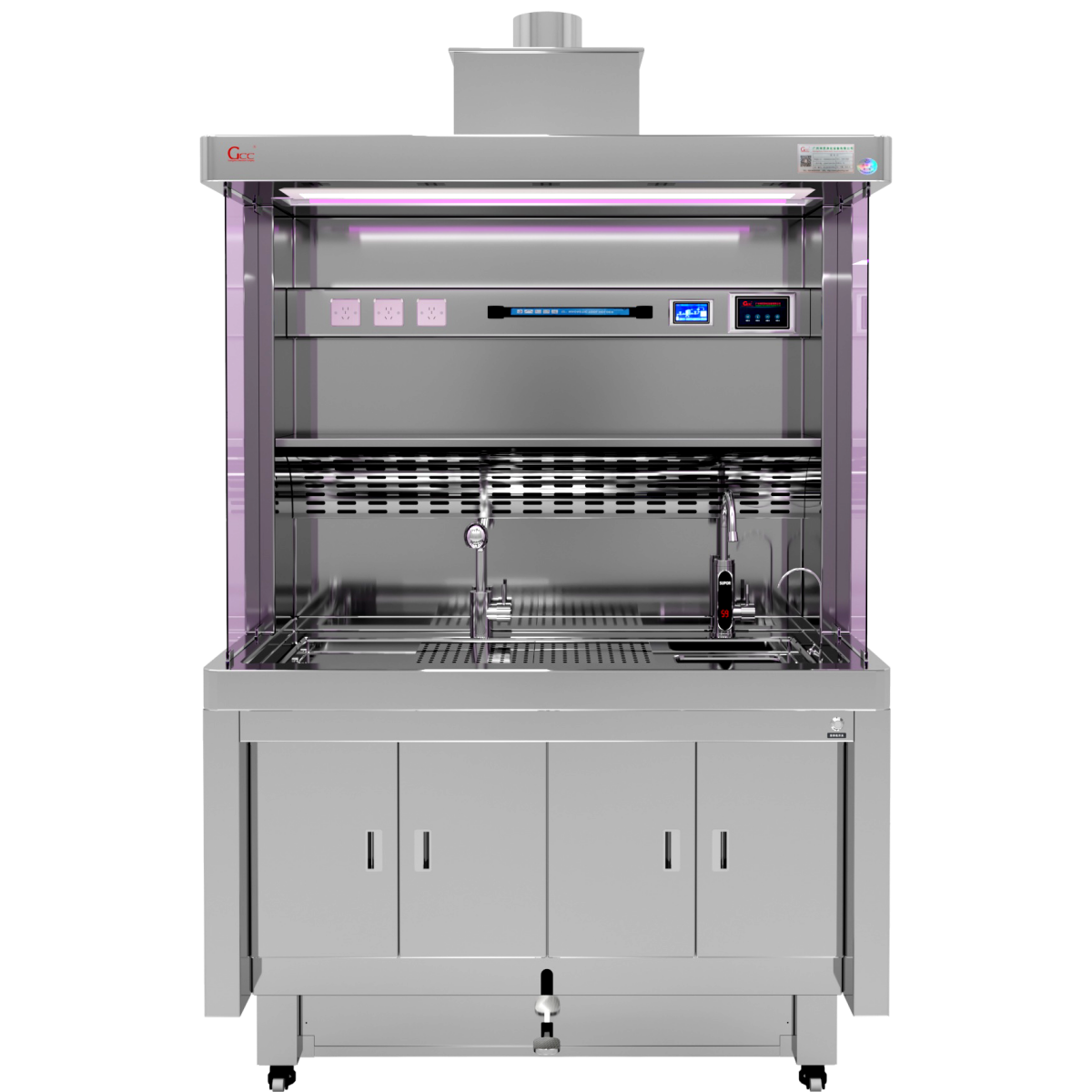
Key Functions of a Grossing Station in Histopathology
A grossing station in histopathology supports several important procedures during tissue sample preparation.
Gross Examination of Tissue Specimens
First, pathologists visually examine surgical specimens and biopsy tissues. During this step, they record important information such as tissue size, shape, color, texture, and other visible characteristics.
These observations provide valuable reference data for further pathological diagnosis and microscopic analysis.
Tissue Sampling and Preparation
After the initial examination, pathologists select representative tissue sections for further processing. Subsequently, laboratory staff process these samples through dehydration, paraffin embedding, microtomy, staining, and microscopic examination.
Because accurate tissue sampling directly affects diagnostic results, a well-designed grossing station helps improve both precision and workflow efficiency.
Formalin Vapor Control
Most pathology laboratories preserve tissue specimens in formalin. However, formalin releases strong chemical vapors that may affect laboratory personnel during daily operations.
Therefore, a grossing station in histopathology uses a professional ventilation system to capture and remove hazardous vapors at the source. As a result, the workstation helps create a safer working environment for laboratory staff.
Maintaining Laboratory Hygiene
In addition to ventilation, hygiene also plays an important role in pathology laboratories. Manufacturers typically construct grossing stations from corrosion-resistant stainless steel materials that are easy to clean and disinfect.
This design helps laboratories reduce contamination risks and maintain a clean working environment.
Structural Design of a Modern Grossing Station
Modern pathology laboratories require equipment that combines safety, durability, and operational efficiency. Therefore, a high-quality grossing station in histopathology includes several advanced structural features.
Durable 304 Stainless Steel Construction
Manufacturers build the workstation entirely from 304 stainless steel to provide excellent corrosion resistance and long-term durability.
Additionally, the seamless surface design prevents contaminant accumulation and allows laboratory staff to clean and disinfect the workstation more easily.
Upper Cabinet with Fresh Air Supply System
The upper cabinet integrates multiple functional components, including:
- LED lighting system
- Fresh air supply system
- UV Sterilization Lamp
The fresh air system continuously delivers clean air downward toward the working area. Consequently, it helps protect the operator’s breathing zone and improves comfort during long working periods.
Furthermore, the built-in UV Sterilization Lamp allows laboratory staff to disinfect the workstation when it is not in use, helping maintain a hygienic laboratory environment.
Down-Draft Exhaust Ventilation System
Meanwhile, the down-draft exhaust system captures formalin vapors and odors directly from the work surface.
Unlike conventional ventilation methods, this airflow design removes hazardous vapors at their source before they spread into the laboratory. As a result, the combined fresh-air supply and down-draft exhaust system significantly improves operator safety.
Functional Work Area Design
Manufacturers carefully design the work area of a grossing station in histopathology to improve workflow efficiency and simplify daily cleaning procedures.
Integrated Stainless Steel Sink
The workstation includes a one-piece welded stainless steel sink with rounded corners and a flow-guiding structure.
This design allows laboratory staff to wash tissue samples conveniently while preventing liquid residue buildup.
Removable Perforated Work Surface
In addition, the removable perforated stainless steel work surface allows liquids to drain quickly.
Because users can easily remove the perforated plate, cleaning and maintenance become faster and more convenient.
Practical Cleaning System
To support daily pathology operations, the workstation also includes several cleaning components, such as:
- Retractable faucet
- Side spray cleaning device
- Instant hot water faucet
These features help laboratory personnel clean specimens, instruments, and work surfaces more efficiently.
Intelligent Control and Auxiliary Equipment
Modern grossing stations often integrate intelligent control systems and practical accessories to improve usability and laboratory efficiency.
Touchscreen Control System
The workstation includes a touchscreen control panel that allows users to adjust ventilation settings and control fan speed easily.
Therefore, laboratory staff can optimize airflow performance according to different operational requirements.
LED Lighting System
An embedded LED lighting system provides bright and uniform illumination across the work area.
As a result, pathologists can observe tissue structures more clearly during gross examination procedures.
UV Sterilization System
The UV Sterilization Lamp disinfects the working area when the workstation is not in operation.
Consequently, laboratories can maintain a cleaner and safer pathology environment.
Bone Tissue Crusher
Some grossing stations also include a bone tissue crusher for processing hard tissue specimens more efficiently while maintaining hygienic operation.
Auxiliary Accessories
Additional accessories may include:
- Magnetic tool strip
- Laser scale measuring board
- Waterproof power sockets
Together, these accessories improve operational convenience and laboratory workflow efficiency.
Applications of Grossing Stations
A grossing station in histopathology serves various medical and research applications.
Hospital Pathology Departments
Hospitals use grossing stations to handle surgical specimens and biopsy tissues before microscopic diagnosis.
Diagnostic Pathology Laboratories
Independent pathology laboratories rely on grossing stations to prepare tissue samples for histological analysis and diagnostic procedures.
Medical Universities and Research Institutions
In addition, medical universities and biomedical research centers use grossing stations for pathology education, laboratory training, and scientific research.
Frequently Asked Questions
What are the different types of pathology grossing stations?
Grossing stations range from basic stainless steel workstations to advanced intelligent systems with touchscreen controls, formalin filling, and real-time environmental monitoring. The main types include basic models, height-adjustable stations, and smart digital systems. Types of Grossing Stations
How do I choose the right size grossing station for my laboratory?
The right size depends on your daily specimen volume, available lab space, and whether the station will be used by one or two operators. Standard widths range from 1500mm (single person) to 2200mm (double person). Grossing Station Selection Guide
What is the price range for a pathology grossing station?
Grossing station prices vary widely based on features, size, and configuration. Basic models are more affordable, while advanced intelligent stations with formalin filling systems and touchscreen controls command a higher investment. Grossing Station Price Guide
How to clean and maintain a pathology grossing station?
Regular cleaning and maintenance are essential for safety and longevity. Daily wipe-down of work surfaces, weekly inspection of the ventilation system, and periodic calibration of the UV sterilization lamp are recommended practices. Grossing Station Maintenance Guide
What equipment is needed for a histology laboratory?
A complete histology lab requires grossing stations, tissue processors, embedding stations, microtomes, water baths, staining systems, coverslippers, microscopes, and fume hoods. Histology Lab Equipment List
Conclusion
A grossing station in histopathology is an essential piece of equipment in modern pathology laboratories. It provides a safe, efficient, and hygienic workspace for tissue examination and dissection.
With advanced features such as 304 stainless steel construction, fresh-air supply systems, down-draft exhaust ventilation, LED lighting, and UV Sterilization Lamps, modern grossing stations help laboratories improve safety, cleanliness, and operational efficiency.
As medical technology continues to advance, pathology laboratories increasingly rely on intelligent and ergonomic grossing stations to support accurate diagnosis and efficient laboratory operations.