坤灵最新logo-scaled-1.png)
In pathology laboratories, the grossing station is a crucial safety device. It not only provides a clean and safe working environment for laboratory personnel but also efficiently removes harmful gases generated during specimen processing, such as formalin vapors. This article will introduce the features, installation requirements, operating precautions, and safety guidelines for pathology grossing stations.
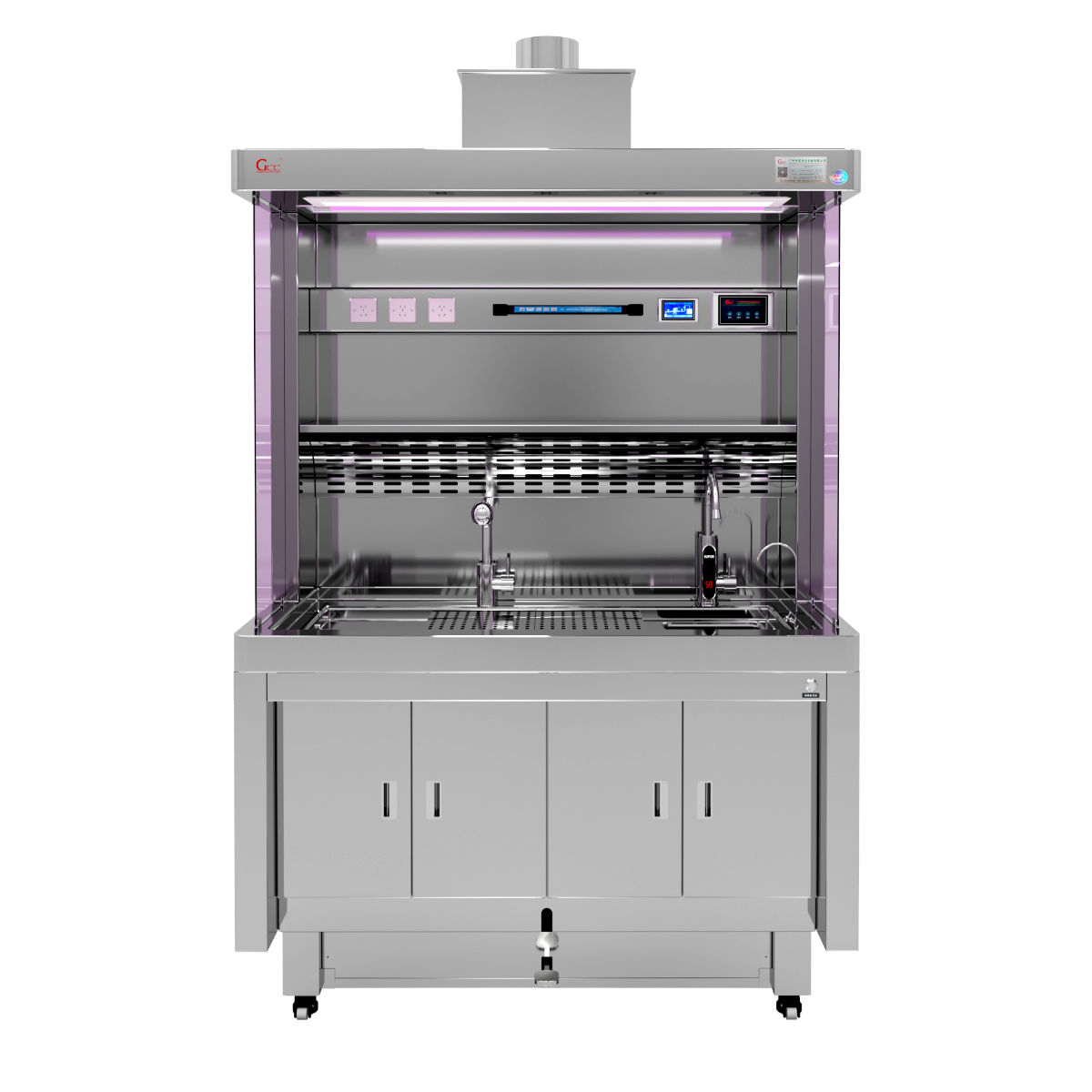
1. Technical Features and Uses
A pathology grossing station uses a well-designed ventilation system to quickly exhaust harmful gases, creating a safe and contamination-free workspace.
Variety of Options: Different models and accessories are available to meet the diverse operational needs of laboratories.
User-Friendly Operation: Ergonomically designed for convenient and safe handling of specimens.
In short, a grossing station protects staff while preserving the integrity of tissue samples.
2. Installation Environment Requirements
To ensure safe and efficient operation, grossing stations must be installed under the following environmental conditions:
| Item | Requirement |
| Ambient Temperature | ≥10℃ |
| Relative Humidity | ≤60% |
| Surrounding Air Velocity | <0.2 m/s |
| Radiant Heat | No direct heat sources |
Placement Guidelines
Must be placed on a flat, level surface.
Avoid locations with leaks, moisture, or damp conditions.
Avoid direct sunlight or proximity to heat sources to prevent damage to exhaust ducts.
Keep away from HVAC return or supply vents.
Use a dedicated power supply with reliable grounding and leakage protection.
3. Installation Steps
Transport and Placement: Move the equipment to the designated location carefully and remove packaging without scratching the unit.
Clean the Unit: Wipe the interior and exterior of the station to remove dust or debris.
Connect Ducts: Attach the exhaust duct from the bottom cabinet to the laboratory’s external ventilation system.
Optional Equipment Installation: Install additional equipment such as hot water heaters or tissue grinders according to the appendix instructions.
Trial Operation: Ensure the fan runs correctly, lighting works properly, and water systems are functioning without leaks.
4. Safety Operation Guidelines
Strict adherence to safety regulations is essential during operation:
Read the Manual: Thoroughly understand the instructions before using the equipment.
Protective Measures: Take precautions against electrical shock, fire, or exposure to toxic gases.
Avoid Explosive Environments: Do not operate near flammable or explosive substances.
Standard Power Supply: Use AC220V ±10%, 50Hz single-phase power with proper grounding.
Grounding Safety: Ensure the protective ground is correctly connected; do not use the neutral wire as a ground.
5. Maintenance and Care
Daily Cleaning: After use, wipe all surfaces with mild detergent or deionized water after cutting off power.
Weekly Inspection: Check fans, lighting, and sash mechanisms for proper operation.
Monthly Verification: Calibrate airflow indicators and sensors as needed.
Professional Repairs: Internal cleaning and repairs must be conducted by trained personnel; do not open the chassis yourself.
Regular maintenance ensures reliable performance, prolongs the equipment’s life, and maintains laboratory safety.
6.Frequently Asked Questions
What are the different types of pathology grossing stations?
Grossing stations range from basic stainless steel workstations to advanced intelligent systems with touchscreen controls, formalin filling, and real-time environmental monitoring. The main types include basic models, height-adjustable stations, and smart digital systems. Types of Grossing Stations
How do I choose the right size grossing station for my laboratory?
The right size depends on your daily specimen volume, available lab space, and whether the station will be used by one or two operators. Standard widths range from 1500mm (single person) to 2200mm (double person). Grossing Station Selection Guide
What is the price range for a pathology grossing station?
Grossing station prices vary widely based on features, size, and configuration. Basic models are more affordable, while advanced intelligent stations with formalin filling systems and touchscreen controls command a higher investment. Grossing Station Price Guide
How to clean and maintain a pathology grossing station?
Regular cleaning and maintenance are essential for safety and longevity. Daily wipe-down of work surfaces, weekly inspection of the ventilation system, and periodic calibration of the UV sterilization lamp are recommended practices. Grossing Station Maintenance Guide
How to minimize formaldehyde exposure in pathology labs?
Minimize formaldehyde exposure through proper ventilation, formalin filling systems, down-draft exhaust on grossing stations, personal protective equipment, and regular air quality monitoring. Formaldehyde Exposure Guide
7. Summary
The pathology grossing station is an indispensable safety device in pathology laboratories. Proper installation, standardized operation, and regular maintenance protect staff, preserve specimen integrity, and enhance laboratory efficiency. Understanding and following operational guidelines is critical for ensuring both safety and high-quality laboratory work.