坤灵最新logo-scaled-1.png)
Pathology laboratory play a critical role in life science research and clinical diagnosis, particularly in disease identification, histopathological analysis, and slide preparation. Any fluctuation in the laboratory environment directly affects diagnostic accuracy. Therefore, laboratories must implement reliable purification and environmental control systems to maintain safety, precision, and regulatory compliance.
In this article, we analyze the core technologies behind pathology laboratory purification and environmental control. Specifically, we focus on temperature and humidity regulation, cleanliness management, and airflow organization, helping laboratories achieve safe, efficient, and accurate operation.
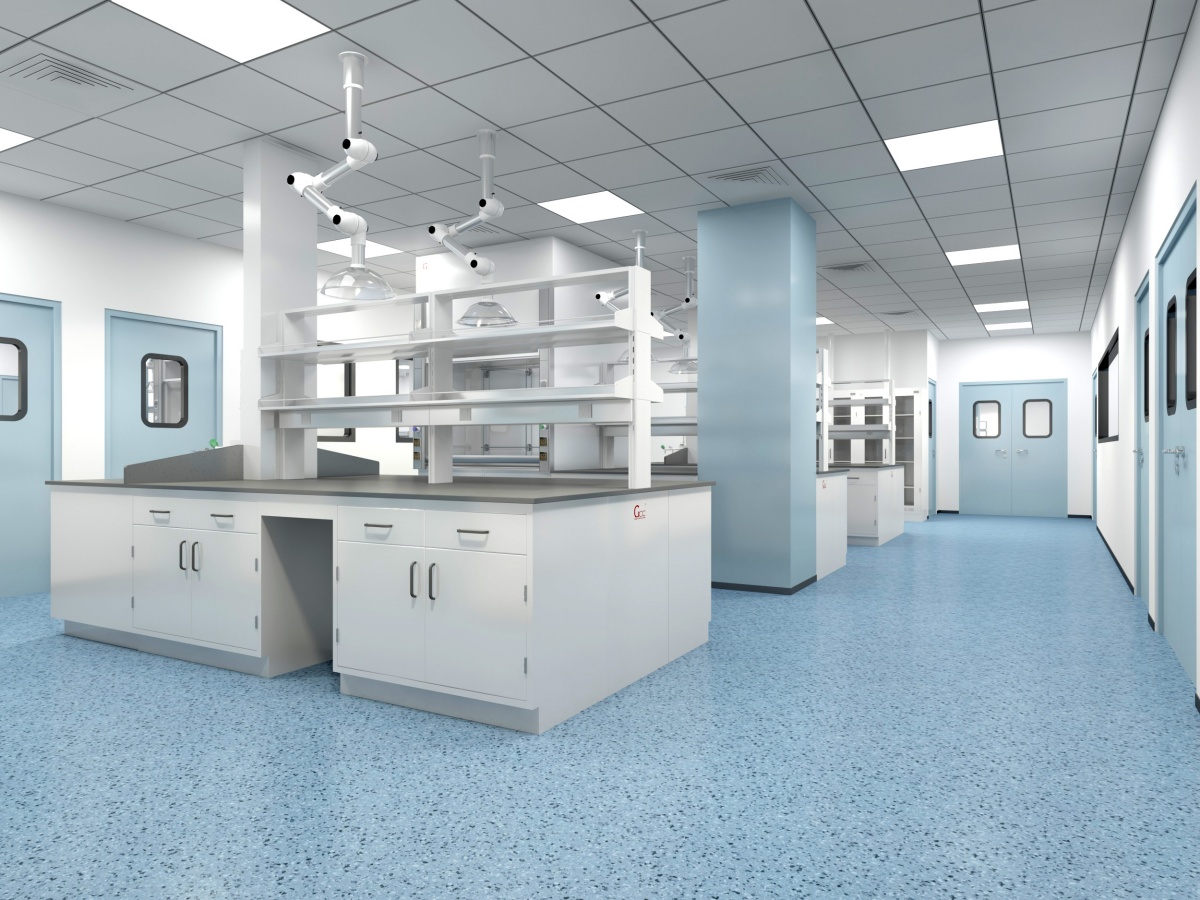
1. Temperature and Humidity Control in Pathology Laboratories
First, laboratories must establish stable temperature and humidity conditions because these parameters directly influence sample integrity, reagent performance, and equipment reliability.
1.1 Temperature Control Requirements
Pathology laboratories typically maintain ambient temperatures between 18°C and 25°C. When temperatures fluctuate, staining consistency decreases and tissue samples may degrade. Therefore, laboratories deploy intelligent HVAC systems and real-time monitoring to regulate temperature precisely and ensure experimental stability.
1.2 Humidity Control Standards
Similarly, laboratories control relative humidity within 40%–60%. High humidity accelerates reagent degradation and promotes mold growth; meanwhile, low humidity compromises section quality. As a result, laboratories rely on high-precision humidity control systems to maintain optimal environmental balance.
2. Cleanliness Control and Air Purification Systems
In addition to temperature and humidity control, laboratories must actively manage cleanliness to protect sample purity and experimental accuracy.
2.1 Cleanroom Classification for Pathology Laboratories
Based on workflow and functional zoning, pathology laboratories typically adopt ISO 7–ISO 8 cleanroom standards (Class 10,000 to Class 100,000). These standards effectively limit airborne particles and environmental contamination. Consequently, laboratories can safely perform grossing, dehydration, embedding, sectioning, and staining procedures.
2.2 HEPA Air Filtration Systems
Moreover, laboratories install HEPA air filtration systems to remove particles ≥0.3 microns from the air. By continuously supplying clean air, HEPA filters significantly reduce contamination risks and improve indoor air quality.
3. Airflow Organization and Ventilation System Design
Proper airflow organization plays a decisive role in preventing cross-contamination and protecting laboratory personnel.
3.1 Negative Pressure Ventilation Systems
To begin with, pathology laboratories implement negative pressure ventilation systems to exhaust harmful gases, aerosols, and volatile substances. As a result, contaminants do not spread to adjacent areas, and laboratories maintain a safer working environment.
3.2 Airflow Zoning and Hierarchical Control
Furthermore, laboratories design airflow zoning and directional airflow paths to guide air movement efficiently. By combining local exhaust systems with localized air purification, laboratories prevent contaminant accumulation and improve ventilation efficiency.
3.3 Air Shower Systems
Meanwhile, laboratories install air shower systems at personnel and material entry points. These systems actively remove dust and microorganisms from surfaces, thereby reducing the risk of external contamination entering clean areas.
4. Integrated Purification and Environmental Control Solutions
Today, laboratories increasingly integrate temperature and humidity control, air purification, cleanliness management, and airflow organization into a unified intelligent control system. By using sensors, automation platforms, and real-time monitoring, laboratories continuously adjust environmental parameters. As a result, they maintain optimal operating conditions at all times.
Moreover, integrated purification systems not only enhance safety and diagnostic accuracy but also improve working comfort for laboratory staff. At the same time, they help laboratories comply with stricter industry standards and regulatory requirements.
5.Frequently Asked Questions
How to minimize formaldehyde exposure in pathology labs?
Minimize formaldehyde exposure through proper ventilation, formalin filling systems, down-draft exhaust on grossing stations, personal protective equipment, and regular air quality monitoring. Formaldehyde Exposure Guide
What ISO and quality standards apply to pathology laboratories?
Pathology labs typically comply with ISO 15189 (medical laboratories), CAP (College of American Pathologists) requirements, and GMP standards for quality management and operational consistency. Pathology Lab Quality Control
What biosafety level is required for a pathology lab?
Most clinical pathology labs operate at BSL-2 level, requiring biosafety cabinets for specimen handling, proper waste management, and adherence to standard precautions for infection control. Lab Safety Standards
What is the difference between ducted and ductless fume hoods?
Ducted fume hoods exhaust contaminated air outside the building through ductwork, ideal for high-volume chemical use. Ductless fume hoods use HEPA and activated carbon filtration to clean and recirculate air, offering flexible installation. Pathology Fume Hood Guide
What are the key standards for pathology laboratory design?
Pathology lab design must comply with ISO 15189, CAP, and local biosafety regulations. Key considerations include workflow zoning, pressure differentials, airflow management, and equipment layout. Pathology Lab Design Standards
6. Guangzhou GCC Pathology Laboratory Purification Solutions
As a professional provider of cleanroom equipment and laboratory engineering solutions, Guangzhou Kunling actively designs and delivers complete pathology laboratory purification systems. We provide:
- Precision temperature and humidity control systems
- High-efficiency air purification and HEPA filtration solutions
- Scientifically engineered ventilation and airflow organization systems
- Customized, turnkey pathology laboratory purification solutions
Consequently, our clients build safe, compliant, and high-performance pathology laboratory environments.
Choose Guangzhou Kunling, and let our professional purification and environmental control technologies safeguard the safety, accuracy, and efficiency of your pathology laboratory.