坤灵最新logo-scaled-1.png)
A Pathology Grossing Station is one of the most critical pieces of equipment in a pathology laboratory. It is used daily for tissue examination, specimen dissection, and sample preparation before histological analysis. Because the workstation frequently comes into contact with biological tissues, chemicals such as formalin, and surgical instruments, proper cleaning and maintenance are essential to ensure laboratory safety, hygiene, and equipment longevity.
Regular maintenance of a Pathology Grossing Station not only helps prevent contamination and unpleasant odors but also ensures that ventilation systems, water systems, and electrical components function properly. This guide outlines best practices for cleaning and maintaining a pathology grossing station.
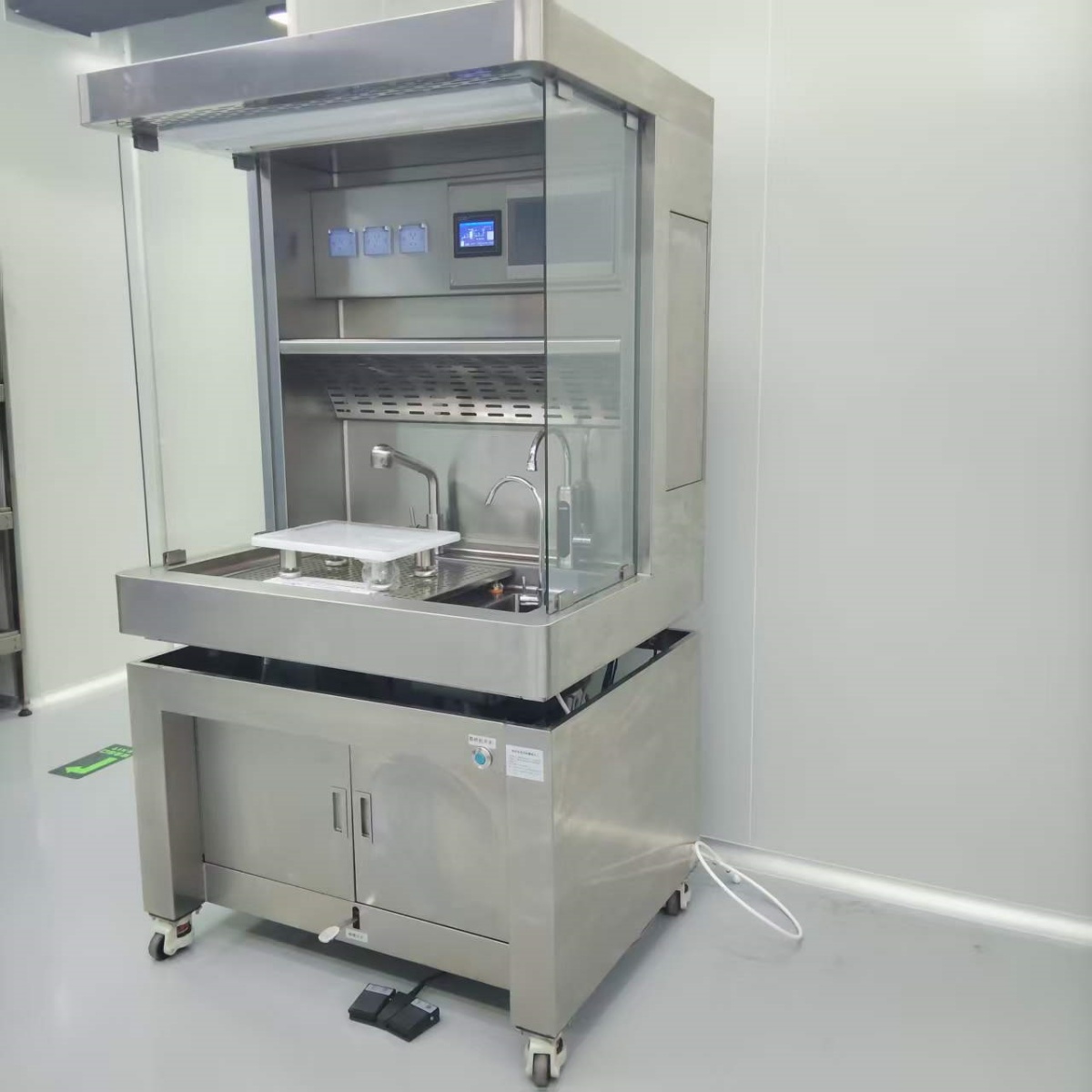
1. Daily Cleaning Procedures
Daily cleaning is necessary to maintain a hygienic working environment and prevent cross-contamination between specimens.
Clean the Work Surface
After each use, the perforated stainless steel work surface should be removed and cleaned thoroughly. Use a laboratory-approved disinfectant or mild detergent to remove tissue residues, blood, and chemical contaminants.
Steps include:
Remove the perforated work plate.
Rinse with warm water.
Use a soft brush to remove debris from perforations.
Apply disinfectant and allow proper contact time.
Rinse and dry before reinstalling.
Because most Pathology Grossing Stations are made from 304 stainless steel, avoid using abrasive cleaning materials that could scratch the surface.
Clean the Integrated Sink and Drainage System
The sink and drainage system are exposed to biological fluids and chemicals during tissue processing. These areas must be cleaned carefully to prevent buildup and odor.
Recommended practices:
Flush the sink with warm water after each procedure.
Use a disinfectant solution to sanitize the sink and drainage channel.
Check the flow-guiding drainage design to ensure there is no blockage.
Rinse thoroughly to remove chemical residues.
Regular sink cleaning helps prevent bacterial growth and maintains proper drainage.
Sanitize Instruments and Surrounding Surfaces
All tools used during tissue processing should be cleaned and sterilized after use.
Additionally, wipe down:
Side glass panels
Control panel surfaces
Magnetic tool holders
Measurement boards
Use alcohol-based disinfectants or laboratory-grade cleaning solutions to maintain cleanliness.
2. Ventilation System Maintenance
A key safety feature of any Pathology Grossing Station is its ventilation system, which removes harmful vapors such as formalin fumes from the working area.
Inspect Airflow Performance
Ventilation systems typically include down-draft airflow and adjustable fan speeds. Laboratory staff should regularly verify that the airflow is functioning correctly.
Check the following:
Airflow velocity at the work surface
Exhaust airflow performance
Fan speed settings (low, medium, high)
If airflow appears weak or inconsistent, the exhaust system should be inspected immediately.
Clean Air Intake and Exhaust Areas
Dust, tissue particles, and laboratory debris may accumulate around ventilation openings.
Routine maintenance should include:
Wiping air inlet grills
Cleaning exhaust slots
Ensuring unobstructed airflow
Keeping ventilation pathways clear ensures effective removal of hazardous vapors.
3. UV Sterilization System Maintenance
Many modern Pathology Grossing Stations include built-in UV sterilization lamps for disinfecting the workspace.
To maintain UV sterilization efficiency:
Regularly inspect the UV lamp for proper operation.
Clean the lamp surface to remove dust or residue.
Replace the lamp according to the manufacturer’s recommended lifespan.
Operators should also confirm that the UV timer settings (such as 10, 20, or 30 seconds) function correctly.
4. Water System Inspection
The cleaning system of a Pathology Grossing Station often includes retractable faucets, spray nozzles, and instant hot water taps.
Routine inspection should include:
Checking the retractable faucet for smooth operation
Testing the side spray nozzle
Inspecting water pressure and temperature
Ensuring there are no leaks
If mineral buildup occurs in the faucet or spray system, periodic descaling may be required.
5. Electrical and Control Panel Maintenance
Modern grossing stations often use touchscreen control systems to manage lighting, airflow, and other functions.
To maintain the control system:
Keep the touchscreen dry and clean
Avoid using corrosive chemicals on the panel
Check that fan control buttons respond properly
Verify that lighting systems operate normally
Any electrical issues should be handled by qualified technicians.
6. Cleaning the Bone Tissue Crusher and Accessories
If the Pathology Grossing Station includes accessories such as a bone tissue crusher, these components must also be cleaned after each use.
Cleaning steps include:
Remove tissue residues immediately
Wash with warm water and disinfectant
Dry completely before storage
Accessories like magnetic tool strips, scale boards, and sockets should also be wiped down regularly
7. Weekly and Monthly Maintenance Checks
In addition to daily cleaning, laboratories should implement scheduled maintenance procedures.
Weekly Maintenance
Inspect ventilation airflow
Clean sink and drainage systems thoroughly
Disinfect all workstation surfaces
Monthly Maintenance
Inspect UV sterilization lamps
Check exhaust airflow performance
Examine electrical components and lighting
Inspect stainless steel surfaces for corrosion or damage
Scheduled inspections help identify potential issues before they affect laboratory operations.
8. Best Practices for Long-Term Equipment Care
To extend the service life of a Pathology Grossing Station, laboratories should follow these best practices:
Use non-abrasive cleaning materials
Avoid corrosive chemical exposure
Maintain proper ventilation system performance
Train laboratory staff on proper equipment use
Follow manufacturer maintenance guidelines
Proper care not only protects the equipment but also helps maintain laboratory safety standards.
Frequently Asked Questions
What are the different types of pathology grossing stations?
Grossing stations range from basic stainless steel workstations to advanced intelligent systems with touchscreen controls, formalin filling, and real-time environmental monitoring. The main types include basic models, height-adjustable stations, and smart digital systems. Types of Grossing Stations
How do I choose the right size grossing station for my laboratory?
The right size depends on your daily specimen volume, available lab space, and whether the station will be used by one or two operators. Standard widths range from 1500mm (single person) to 2200mm (double person). Grossing Station Selection Guide
What is the price range for a pathology grossing station?
Grossing station prices vary widely based on features, size, and configuration. Basic models are more affordable, while advanced intelligent stations with formalin filling systems and touchscreen controls command a higher investment. Grossing Station Price Guide
How to clean and maintain a pathology grossing station?
Regular cleaning and maintenance are essential for safety and longevity. Daily wipe-down of work surfaces, weekly inspection of the ventilation system, and periodic calibration of the UV sterilization lamp are recommended practices. Grossing Station Maintenance Guide
How to minimize formaldehyde exposure in pathology labs?
Minimize formaldehyde exposure through proper ventilation, formalin filling systems, down-draft exhaust on grossing stations, personal protective equipment, and regular air quality monitoring. Formaldehyde Exposure Guide
Conclusion
A Pathology Grossing Station is an essential workstation in pathology laboratories, supporting accurate tissue examination and sample preparation. Regular cleaning and proper maintenance are critical for ensuring hygienic conditions, protecting laboratory personnel from hazardous fumes, and extending the lifespan of the equipment.
By implementing consistent cleaning routines, maintaining ventilation systems, and inspecting key components such as UV sterilization and water systems, laboratories can ensure that their Pathology Grossing Station continues to operate safely and efficiently for years to come.