坤灵最新logo-scaled-1.png)
In histopathology and preclinical research facilities, the Tissue Processor (TP) is the core piece of equipment for sample preparation. At the same time, it is one of the highest-risk assets from a safety perspective. Tissue processing uses chemicals such as formaldehyde, xylene, and high-concentration alcohols. These substances are toxic and sometimes carcinogenic. Proper containment is critical to protect staff and maintain regulatory compliance.
Failing to integrate the tissue processor’s ventilation system into your facility design can cause serious problems. These include strong chemical odors, failed safety audits, and poor air quality that endangers technicians.
Here are the essential considerations for selecting a safe, odor-free, and compliant tissue processor.
1. Enclosed Tissue Processor vs. Open Systems
Modern safety begins with structural containment. Legacy open-basket tissue processors are no longer suitable in regulated labs.
What to specify:
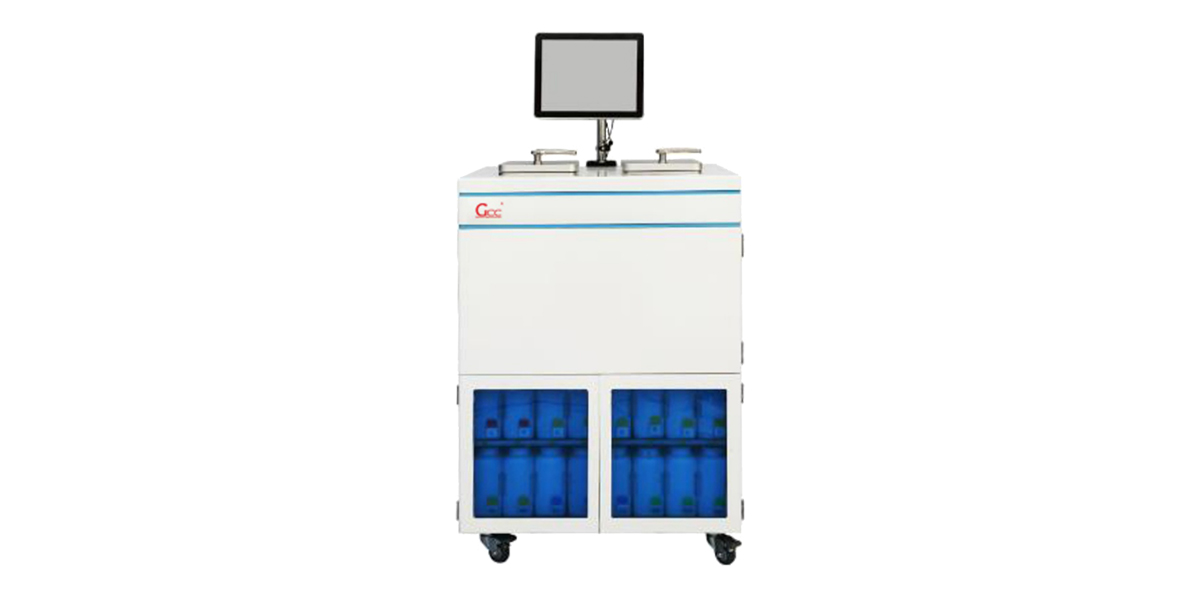
- Choose a fully enclosed tissue processor.
- Ensure all reagent transfers, infiltration, and paraffin wax curing occur inside a sealed chamber.
Engineering tips:
- Look for dual-gasket seals on the retort lid.
- Even at high temperatures (up to 60°C for paraffin), these seals prevent volatile chemicals from escaping into the lab.
2. Internal Ventilation and Filtration
Even enclosed processors accumulate hazardous vapors inside. This happens especially during automated purge cycles and bottle refills.
Best practices:
- Use tissue processors with continuous internal air extraction loops.
- Ensure the system has dual-media chemical filters:
- Activated carbon absorbs xylene and alcohol vapors.
- Potassium permanganate chemically neutralizes formaldehyde.
- HEPA filters remove airborne particles.
3. Exhaust Integration: Lab vs. Independent Ventilation
Relying only on internal filters is often insufficient for high-volume labs. Saturated filters can release toxic fumes into the lab.
Recommended approach:
- Hard-duct the tissue processor to a dedicated lab exhaust system.
- Avoid returning filtered air directly to the room.
- The exhaust should lead to a rooftop stack or a building scrubber system.
- This ensures compliance with OSHA, ACGIH, and other international standards.
4. Safe Reagent Replenishment
Technicians are most exposed to chemicals during manual refills, not automated processing.
Safety tips:
- Use remote fill and drain systems to avoid pouring chemicals by hand.
- If manual handling is necessary, place the processor inside or next to a certified fume hood.
- Ensure the hood maintains a draft velocity ≥ 0.50 m/s to capture any escaping vapors.
5. Installation and MEP Alignment
Misalignment with mechanical, electrical, and plumbing (MEP) connections is a common cause of delays in new labs.
Checklist before purchase:
- Obtain complete CAD or BIM blueprints showing duct sizes, electrical drops, and water/drain connections.
- Confirm total exhaust volume (CFM) so building air-handling units can manage backpressure.
- Allocate space for external chemical carboys and spill trays.
The GCC Advantage: Total Lab Airflow Engineering
GCC provides more than standalone equipment. We design high-containment labs with fully integrated airflow solutions.
- Custom laboratory benches with chemical storage.
- Certified fume hoods and modular grossing stations.
- Engineering teams ensure tissue processors fit seamlessly into the lab’s ventilation system.
Frequently Asked Questions
How does a tissue processor work in histopathology?
A tissue processor automates the dehydration, clearing, and paraffin infiltration of tissue specimens. It moves samples through graded alcohols, xylene, and molten paraffin under controlled temperature and vacuum conditions. What is a Tissue Processor
Automatic vs manual tissue processor — which one is right for your lab?
Automatic tissue processors offer higher throughput, consistent results, and reduced technician involvement, making them ideal for busy labs. Manual processors may suit smaller facilities with lower specimen volumes. Automatic vs Manual Tissue Processors
How to choose a tissue processor based on daily processing volume?
Your daily specimen volume is the primary factor. Low-volume labs (under 50 samples/day) may use smaller benchtop models, while high-throughput labs (100+ samples/day) need larger capacity systems with multiple processing chambers. Tissue Processor Selection
What ventilation is required for tissue processors?
Tissue processors use xylene and other solvents that require proper ventilation. Fume extraction and room ventilation systems are essential to maintain safe air quality in histology laboratories. Tissue Processor Ventilation
What equipment is needed for a histology laboratory?
A complete histology lab requires grossing stations, tissue processors, embedding stations, microtomes, water baths, staining systems, coverslippers, microscopes, and fume hoods. Histology Lab Equipment List
📥 Request Engineering Specs & Lab Layout Consultation
Instant B2B consultation (WhatsApp): +86 18148635992
Explore our turnkey portfolio: www.gccpathology.com
Direct RFQ & technical inquiry: Victor@gccpathology.com