坤灵最新logo-scaled-1.png)
If your pathology laboratory handles tissue embedding for histology diagnostics, an embedding station is one of the most essential workstations in your workflow. In particular, this is where processed tissue samples are embedded into paraffin wax blocks, preparing them for microtome sectioning and microscopic examination. Without a reliable embedding station, sample quality and diagnostic accuracy can be compromised.
However, choosing the right embedding station involves more than just picking a model. Prices vary significantly based on paraffin capacity, cooling performance, automation features, and build quality. In this guide, we explain the typical embedding station price range, the factors that affect cost, and practical buying tips for hospitals, diagnostic centres, and research laboratories.
What Is an Embedding Station?
An embedding station, also known as an embedding centre or tissue embedding workstation, is a specialised device used in histopathology to embed tissue specimens into paraffin wax blocks. In general, the process involves:
- Melting and maintaining paraffin wax at the correct temperature
- Orienting tissue specimens in embedding moulds
- Filling moulds with molten paraffin
- Cooling and solidifying the paraffin block for sectioning
Overall, a complete embedding station typically includes a heated paraffin reservoir, a work area with preheating chambers, a cold plate for rapid solidification, and forceps warming slots.
Embedding Station Price Guide
| Embedding Station Type | Capacity | Estimated Price Range (USD) | Typical Users |
|---|---|---|---|
| Basic single-person station | 3–5 L paraffin tank | $2,500 – $4,000 | Small labs, universities |
| Standard mid-range station | 6 L paraffin tank | $4,000 – $6,500 | Hospital pathology departments |
| High-performance station | 8 L paraffin tank | $6,000 – $9,000 | High-throughput labs, central labs |
| Premium / dual-person station | 8 L+ paraffin tank | $8,000 – $12,000+ | Large hospital labs, reference labs |
Prices are estimates based on standard configurations. Custom features, digital controls, and automation options will affect the final cost.
6 Key Factors That Affect Embedding Station Price
1. Paraffin Tank Capacity
Naturally, a larger paraffin tank allows longer continuous operation without refilling. Basic models typically offer 3–5 L tanks, while high-performance units offer 6–8 L or more. Larger tanks increase both material and manufacturing costs.
2. Cooling System
The cold plate is one of the most critical components. Basic models use standard refrigeration, while premium models use semiconductor-based cooling for faster and more stable solidification. A better cooling system improves workflow speed but adds to the price.
| Cooling Type | Temperature Range | Speed | Price Impact |
|---|---|---|---|
| Standard refrigeration | 0°C to room temp | Moderate | Lowest cost |
| Semiconductor cooling | -20°C to room temp | Fast solidification | Moderate |
| Dual cold plate | Independent left/right | High throughput | Highest cost |
3. Temperature Control System
Precise temperature control ensures consistent paraffin quality. Basic models offer manual thermostats, while advanced models feature digital PID control with ±1°C accuracy. Computerised automatic control systems with multi-level safety protection add to the cost but improve reliability and safety.
4. Work Surface and Preheating Chambers
Larger work surfaces and multiple preheating chambers improve workflow flexibility, especially for high-throughput labs. Features to consider:
- Number of preheating modes (3–6 modes)
- Independent left/right chamber temperature control
- Detachable chambers for easy cleaning
- Heated forceps system
5. Additional Features and Accessories
| Feature | Benefit | Cost Impact |
|---|---|---|
| LED lighting with adjustable brightness | Better visibility, reduced eye strain | +$100–300 |
| Foot switch paraffin dispensing | Hands-free operation | +$200–400 |
| Waste paraffin collection tray | Easier recycling and cleaning | +$100–200 |
| Dual over-temperature protection | Enhanced safety | +$200–500 |
| Secondary wax filtration | Prevents nozzle blockage | +$150–300 |
| Magnifying glass / observation aid | Improved accuracy | +$100–250 |
| Extra-large insulation storage box | Pre-warms cassettes and moulds | +$200–400 |
6. Build Quality and Materials
- 304 stainless steel work surface: Standard for durability and easy cleaning
- Corrosion-resistant paraffin tank: Essential for long-term reliability
- All-steel frame construction: Provides stability during operation
How to Choose the Right Embedding Station
Step 1: Assess Your Daily Workload
| Daily Cassette Volume | Recommended Capacity | Recommended Model Type |
|---|---|---|
| < 50 cassettes | 3–5 L paraffin tank | Basic / compact station |
| 50–150 cassettes | 6 L paraffin tank | Standard mid-range |
| 150–300 cassettes | 8 L paraffin tank | High-performance station |
| > 300 cassettes | 8 L+ or dual station | Premium dual-person |
Step 2: Evaluate Cooling Requirements
For example, if your lab processes large batches or works with difficult-to-embed tissues, invest in a semiconductor cooling plate. This reduces solidification time and improves block quality.
Step 3: Check Temperature Stability
Look for digital PID temperature control with ±1°C accuracy. This ensures consistent paraffin viscosity and reduces the risk of embedding defects.
Step 4: Consider Ergonomics
For labs where technicians stand for extended periods, ergonomic features like adjustable height, foot pedal paraffin dispensing, and optimised work surface layout can significantly reduce operator fatigue.
Step 5: Plan for Future Growth
Selecting a station with a slightly larger paraffin tank and more preheating modes than your current needs can delay the need for a future upgrade.
Embedding Station Price by Budget
Budget: $2,500 – $4,000 — Basic Station for Small Labs
Recommended: 3–5 L paraffin tank, standard cooling, manual or basic digital controls.
Best for: Small pathology labs, teaching institutions, low-volume histology.
Mid-Range: $4,000 – $6,500 — Standard Station for Hospital Labs
Recommended: 6 L paraffin tank, semiconductor cooling, digital PID control, multiple preheating modes.
Best for: Hospital pathology departments, independent diagnostic labs.
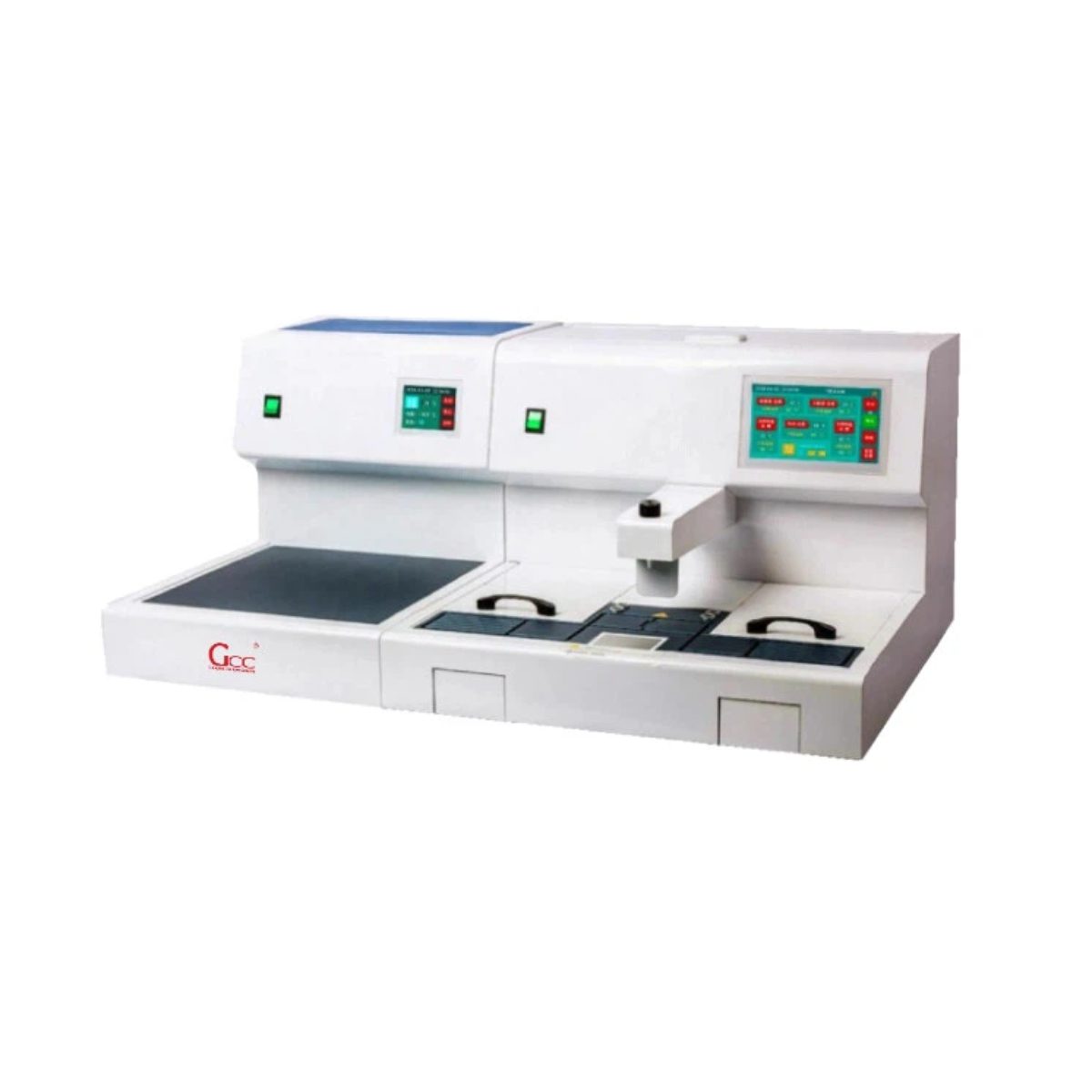
Consider: Embedding Station GCCM-A — 6 L paraffin capacity, semiconductor cooling plate, computerised automatic temperature control, heated forceps system, 5 preheating modes
High-Performance: $6,000 – $9,000 — Advanced Station for High Throughput
Recommended: 8 L paraffin tank, advanced semiconductor cooling, dual over-temperature protection, secondary wax filtration, extra-large storage box.
Best for: Central pathology labs, high-volume hospitals, reference labs.
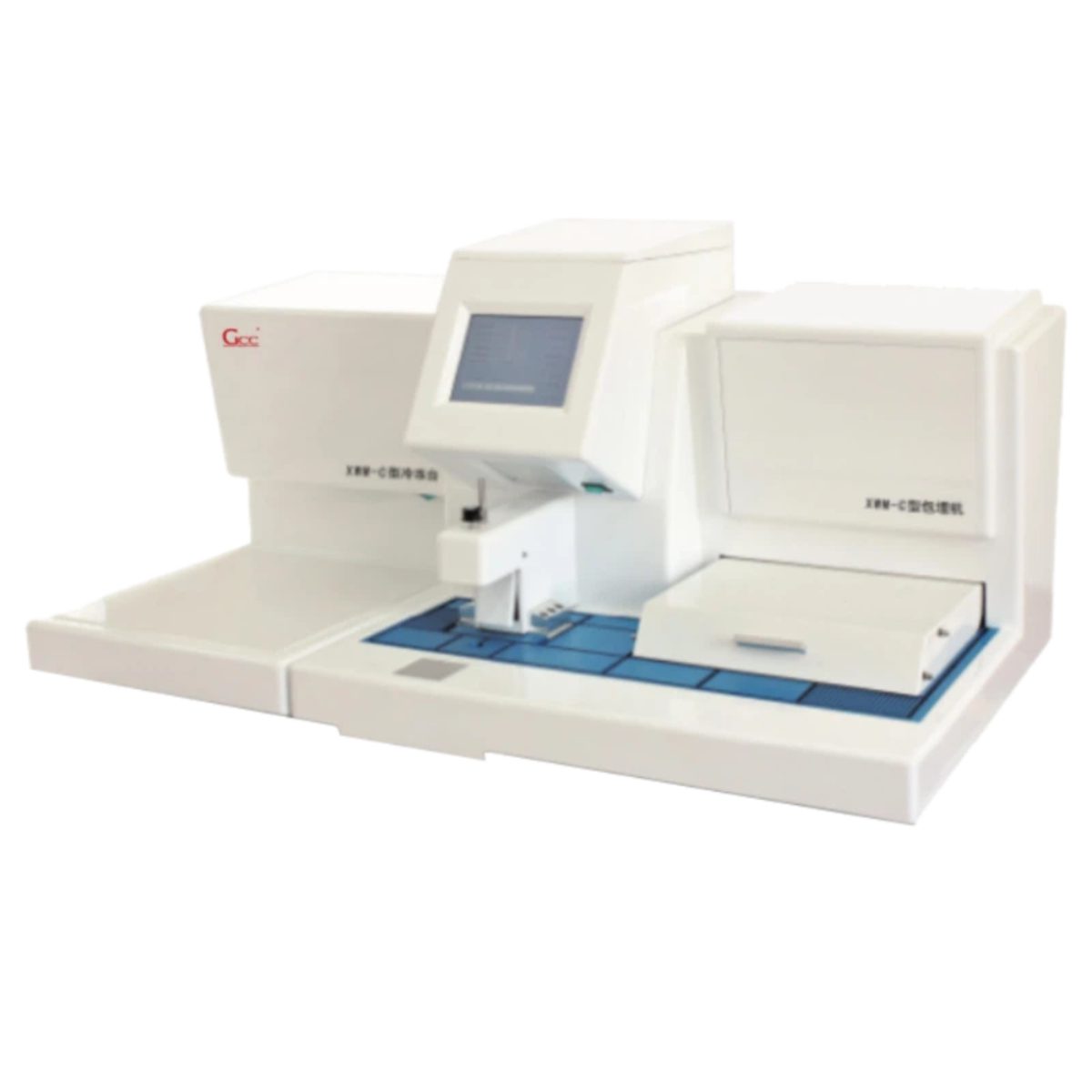
Consider: Embedding Station GCCM-C — 8 L paraffin capacity, upgraded semiconductor cooling, 6 preheating modes, dual over-temperature protection, secondary filtration, extra-large storage box (222 cassettes)
Premium: $8,000 – $12,000+ — Dual-Person or Fully Loaded
Recommended: 8 L+ paraffin tank, dual cold plates, full digital touchscreen, integrated waste management system, custom configurations.
Best for: Centralised pathology facilities, large research hospitals, pharmaceutical labs.
Maintenance Tips for Embedding Stations
When properly maintained, an embedding station should last 8 to 12 years. Follow these practices:
- Daily: Drain and replace paraffin if needed. Clean the work surface and cold plate. Empty the waste paraffin collection tray.
- Weekly: Inspect paraffin nozzles for blockage. Clean preheating chambers. Check temperature accuracy.
- Monthly: Replace or clean air filters. Inspect electrical connections. Calibrate temperature sensors if needed.
- Quarterly: Drain and fully clean the paraffin tank. Check cooling system performance. Lubricate moving parts.
- Annually: Schedule professional servicing. Replace worn seals and gaskets. Test safety shut-off systems.
Why Choose GCC Pathology for Embedding Stations
For over 15 years, GCC Pathology has been manufacturing reliable pathology laboratory equipment for hospitals and diagnostic centres worldwide. Our embedding stations are designed to meet the needs of modern histology workflows while offering competitive factory-direct pricing.
What sets GCC apart:
- Two models available — GCCM-A (standard) and GCCM-C (high-performance) for different lab sizes
- Semiconductor cooling technology — fast, reliable sample solidification
- Computerised temperature control — ±1°C accuracy with multi-level safety protection
- 304 stainless steel construction — durable, corrosion-resistant, easy to clean
- Ergonomic design — heated forceps, LED lighting, foot switch dispensing
- OEM / custom manufacturing — tailored to your lab’s specific requirements
- CE & ISO certified — compliant with international quality and safety standards
- Direct factory pricing — no distributor markups
Learn more: Complete Guide to Tissue Embedding Stations
Get a Custom Quote for Your Lab
Tell us about your daily cassette volume and workflow needs — we will recommend the perfect embedding station for your pathology lab.
We respond within 24 hours with a tailored quote and specifications.
GCC Pathology — Your trusted partner for pathology laboratory equipment and solutions since 2010.