坤灵最新logo-scaled-1.png)
Bench laboratory forms the foundation of every laboratory. It directly influences experimental efficiency, operational safety, and long-term stability. By selecting high-quality materials and applying scientific structural design, bench laboratory streamlines workflows and creates a safe, comfortable working environment, making it an essential element of modern laboratory construction.
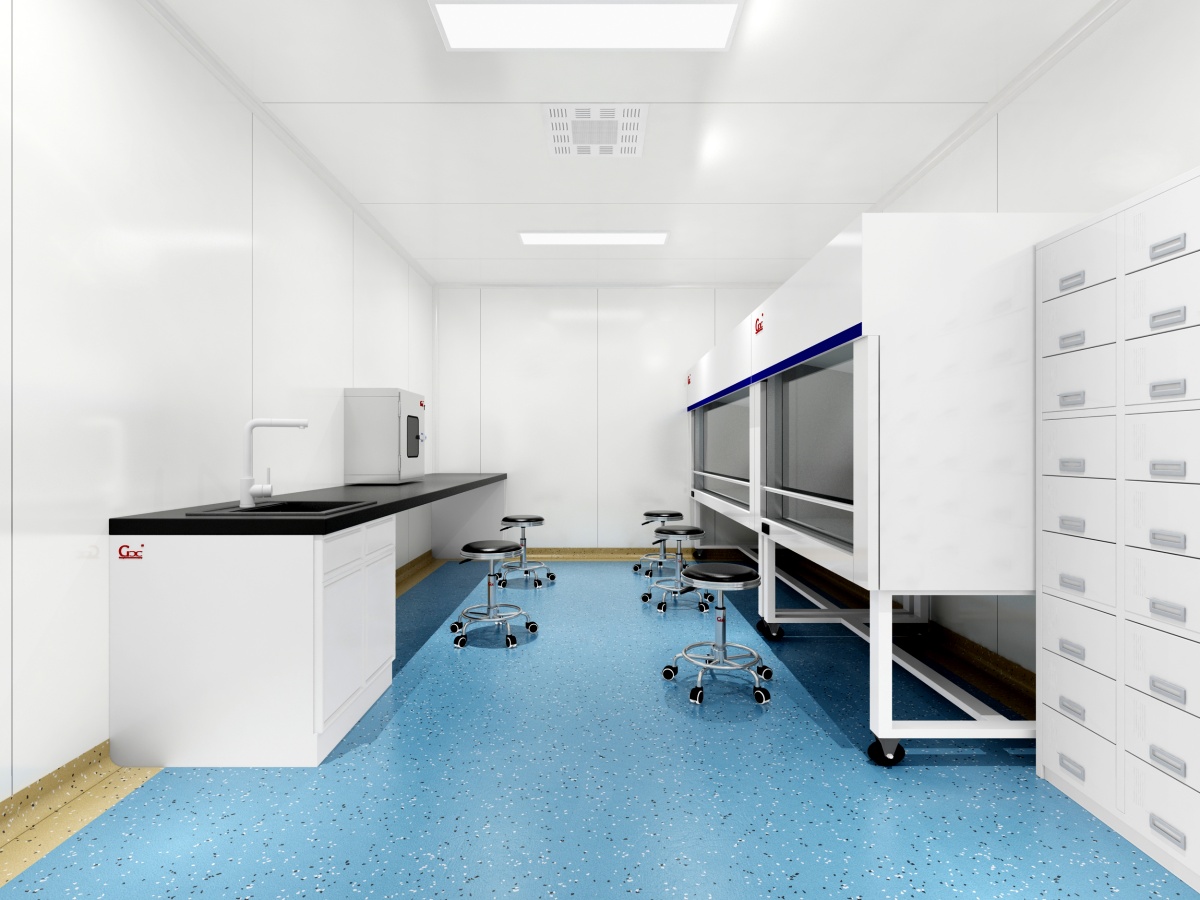
First, Modular Design Enables Flexible Laboratory Layouts
Modern bench laboratory adopts a modular design that allows laboratories to configure layouts based on experimental types, spatial conditions, and process requirements. As a result, research laboratories, teaching laboratories, and industrial testing laboratories can easily adapt bench arrangements. Moreover, modular systems improve space utilization and support future expansion, ensuring long-term flexibility.
Next, Corrosion-Resistant Worktops Ensure Long-Term Performance
To withstand demanding laboratory environments, this bench laboratory uses 15 mm thick solid-fired ceramic worktops designed specifically for laboratory applications. This material resists acids, alkalis, corrosion, and abrasion. Consequently, laboratories extend the service life of the bench laboratory while reducing maintenance frequency and overall operating costs.
In Addition, Ergonomic Design Improves Working Efficiency
By optimizing worktop height and operating space according to ergonomic principles, bench laboratory actively reduces operator fatigue. Therefore, laboratory personnel can maintain comfort and efficiency during continuous or long-duration experiments, significantly improving overall productivity.
Furthermore, Full Steel Floor-Mounted Structures Provide Stability and Accuracy
Bench laboratory utilizes a full steel floor-mounted structure with a cabinet depth of 530 mm (±1.05%) and a height of 830 mm (±1.05%). This robust construction delivers strong load-bearing capacity and excellent stability. As a result, it minimizes vibration and prevents accuracy deviations when supporting precision instruments or heavy equipment.
At the Same Time, Integrated Functions Support Diverse Laboratory Applications
To enhance usability, bench laboratory integrates power outlets, gas connections, and water supply and drainage systems. Therefore, laboratories reduce clutter caused by external equipment while improving organization and operational efficiency across various application scenarios.
Finally, Environmentally Friendly Materials Ensure Safety and Compliance
Manufacturers use environmentally friendly materials and standardized production processes to minimize emissions and simplify cleaning. As a result, bench laboratory complies with safety and environmental standards while providing a healthy and secure working environment for laboratory personnel.
Frequently Asked Questions
What are the key standards for pathology laboratory design?
Pathology lab design must comply with ISO 15189, CAP, and local biosafety regulations. Key considerations include workflow zoning, pressure differentials, airflow management, and equipment layout. Pathology Lab Design Standards
How to plan functional zones in a pathology laboratory?
A well-designed pathology lab includes distinct zones: specimen reception, grossing room, tissue processing area, embedding room, microtomy room, staining area, and reporting/administrative space. Lab Functional Zoning Guide
What equipment is essential for a histopathology laboratory?
Essential equipment includes grossing stations, tissue processors, embedding stations, microtomes, fume hoods, staining systems, coverslippers, microscopes, and storage cabinets. Histopathology Lab Equipment List
How to ensure proper ventilation in a pathology lab?
Pathology labs require negative pressure in critical areas, adequate air change rates, proper fume hood installation, and exhaust gas treatment to meet biosafety and environmental standards. Lab Ventilation Design Guide
How to minimize formaldehyde exposure in pathology labs?
Minimize formaldehyde exposure through proper ventilation, formalin filling systems, down-draft exhaust on grossing stations, personal protective equipment, and regular air quality monitoring. Formaldehyde Exposure Guide
Conclusion
In summary, bench laboratory combines modular design, corrosion-resistant materials, ergonomic optimization, robust steel structures, and integrated functionality. Together, these advantages provide efficient, stable, and reliable support for modern laboratories, making bench laboratory a critical component in building professional and high-performance laboratory environments.Welcome to Contact us!