坤灵最新logo-scaled-1.png)
Introduction
In histopathology laboratories, precision and safety are paramount. Every tissue sample must be processed accurately to guarantee reliable diagnostic results. A histology grossing station plays a vital role in this process—it provides a controlled, ventilated, and ergonomic workspace where technicians can safely dissect and examine tissue specimens.
This article explains what a grossing station is, highlights its key features, and explores how choosing the right model can improve workflow efficiency and laboratory safety.
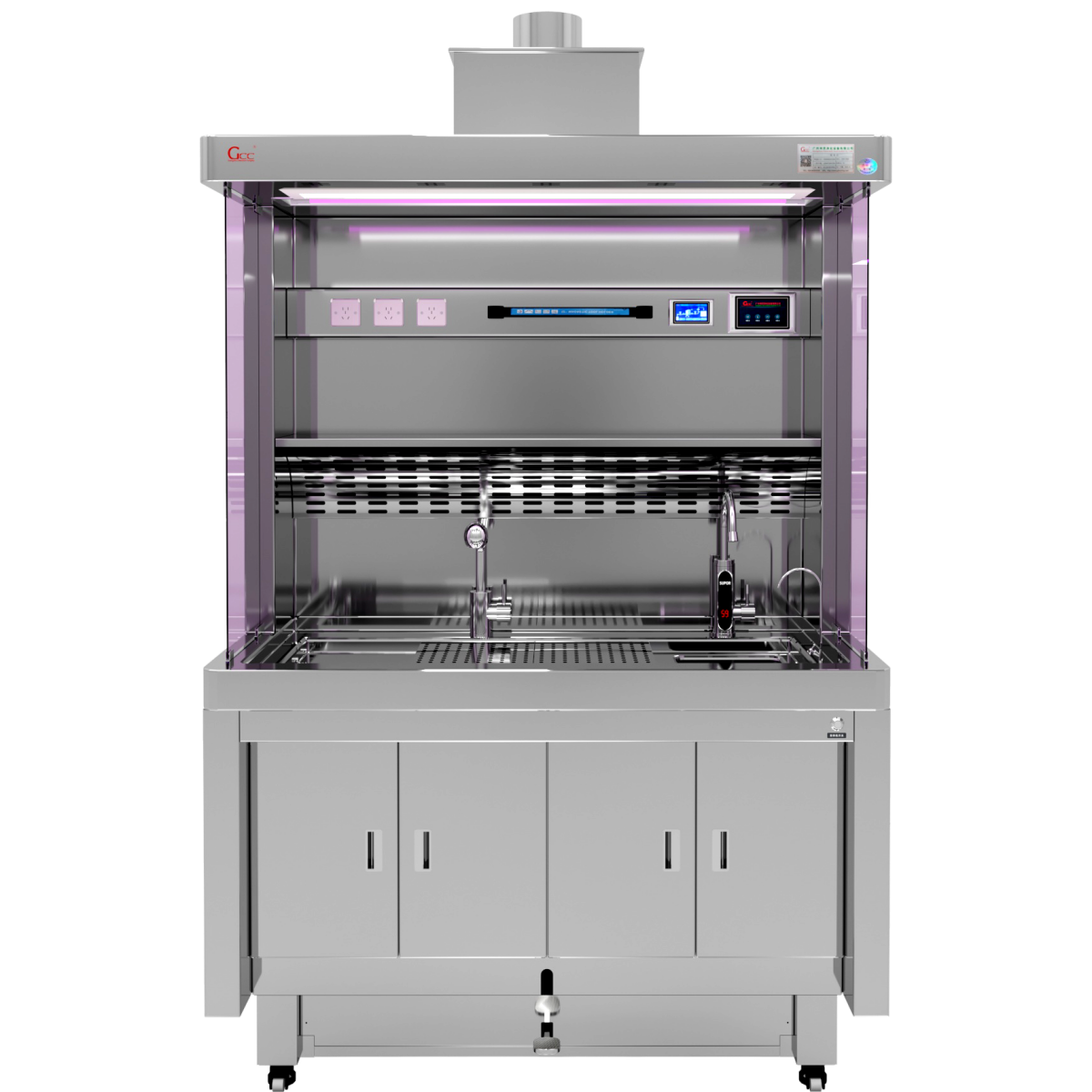
What Is a Histology Grossing Station?
A grossing station is a specialized workstation designed for the dissection (or “grossing”) of tissue samples before microscopic examination. It combines ventilation, illumination, waste management, and ergonomic design to ensure both safety and efficiency.
In histology, where samples may contain fixatives like formalin or xylene, proper ventilation is essential. A high-quality grossing station captures and filters harmful fumes, protecting laboratory personnel from exposure to toxic chemicals.
Key Features of a Modern Histology Grossing Station
1. Advanced Ventilation System
A reliable station includes a built-in exhaust and filtration system that removes fumes and odors at the source. Some models incorporate HEPA or activated carbon filters, ensuring compliance with international safety standards.
2. Ergonomic and Adjustable Design
Technicians often spend long hours at the grossing table. Adjustable height, angled work surfaces, and soft lighting help reduce fatigue and enhance comfort.
3. Durable and Easy-to-Clean Materials
Most stations are made from 304 or 316 stainless steel, providing corrosion resistance against chemicals commonly used in histology.
4. Integrated Utilities and Accessories
Modern grossing stations often include:
Formalin disposal systems
Cold water taps and spray guns
Down-draft ventilation
LED lighting
Optional camera systems for documentation
5. Safety Features
Safety is a top priority. Many stations come with:
Splash guards
Formalin collection systems
Emergency ventilation alarms
Non-slip work surfaces
Benefits of Using a High-Quality Grossing Station
| Benefit | Description |
| Enhanced Safety | Protects users from harmful formaldehyde and chemical vapors. |
| Increased Efficiency | Streamlines tissue handling, labeling, and documentation. |
| Compliance | Meets international standards (ISO, CE, GMP). |
| Improved Ergonomics | Reduces technician fatigue and increases productivity. |
| Easy Maintenance | Stainless steel design ensures durability and easy cleaning. |
Choosing the Right Grossing Station for Your Laboratory
When selecting a histology grossing station, consider:
Size and workspace requirements: Single or double-user models
Type of ventilation: Ducted or ductless system
Material: Prefer 304 or 316 stainless steel
Optional features: Sink, camera, lighting, shelving, data ports
Compliance standards: Ensure ISO, CE, or GMP certification
For laboratories handling large volumes of specimens, an intelligent grossing station with adjustable air volume control and automatic ventilation response can significantly enhance safety and efficiency.
Frequently Asked Questions
How does a tissue processor work in histopathology?
A tissue processor automates the dehydration, clearing, and paraffin infiltration of tissue specimens. It moves samples through graded alcohols, xylene, and molten paraffin under controlled temperature and vacuum conditions. What is a Tissue Processor
Automatic vs manual tissue processor — which one is right for your lab?
Automatic tissue processors offer higher throughput, consistent results, and reduced technician involvement, making them ideal for busy labs. Manual processors may suit smaller facilities with lower specimen volumes. Automatic vs Manual Tissue Processors
How to choose a tissue processor based on daily processing volume?
Your daily specimen volume is the primary factor. Low-volume labs (under 50 samples/day) may use smaller benchtop models, while high-throughput labs (100+ samples/day) need larger capacity systems with multiple processing chambers. Tissue Processor Selection
What ventilation is required for tissue processors?
Tissue processors use xylene and other solvents that require proper ventilation. Fume extraction and room ventilation systems are essential to maintain safe air quality in histology laboratories. Tissue Processor Ventilation
What equipment is needed for a hospital pathology lab?
Hospital pathology labs require grossing stations, tissue processors, embedding stations, microtomes, fume hoods, biosafety cabinets, staining systems, and microscopes based on their diagnostic scope. Hospital Pathology Lab Solutions
Conclusion
A histology grossing station is more than just a workspace—it’s the heart of safe and precise tissue processing. Investing in a high-quality station ensures technician safety, improves diagnostic accuracy, and helps laboratories maintain compliance with international standards.
Whether upgrading an existing lab or setting up a new one, choosing the right grossing station is a long-term investment in performance, safety, and efficiency.