坤灵最新logo-scaled-1.png)
In modern healthcare, people often call the pathology laboratory the “Doctor’s Doctor.” However, as specimen volumes continue to rise and Turnaround Time (TAT) expectations become shorter, advanced equipment alone is no longer enough. Instead, smart pathology laboratory design—especially an efficient layout—now plays a key role in overall performance.
As a global expert in pathology equipment, GCC not only supplies high-performance instruments but also delivers integrated engineering solutions. As a result, we help laboratories build safer and more efficient diagnostic environments.
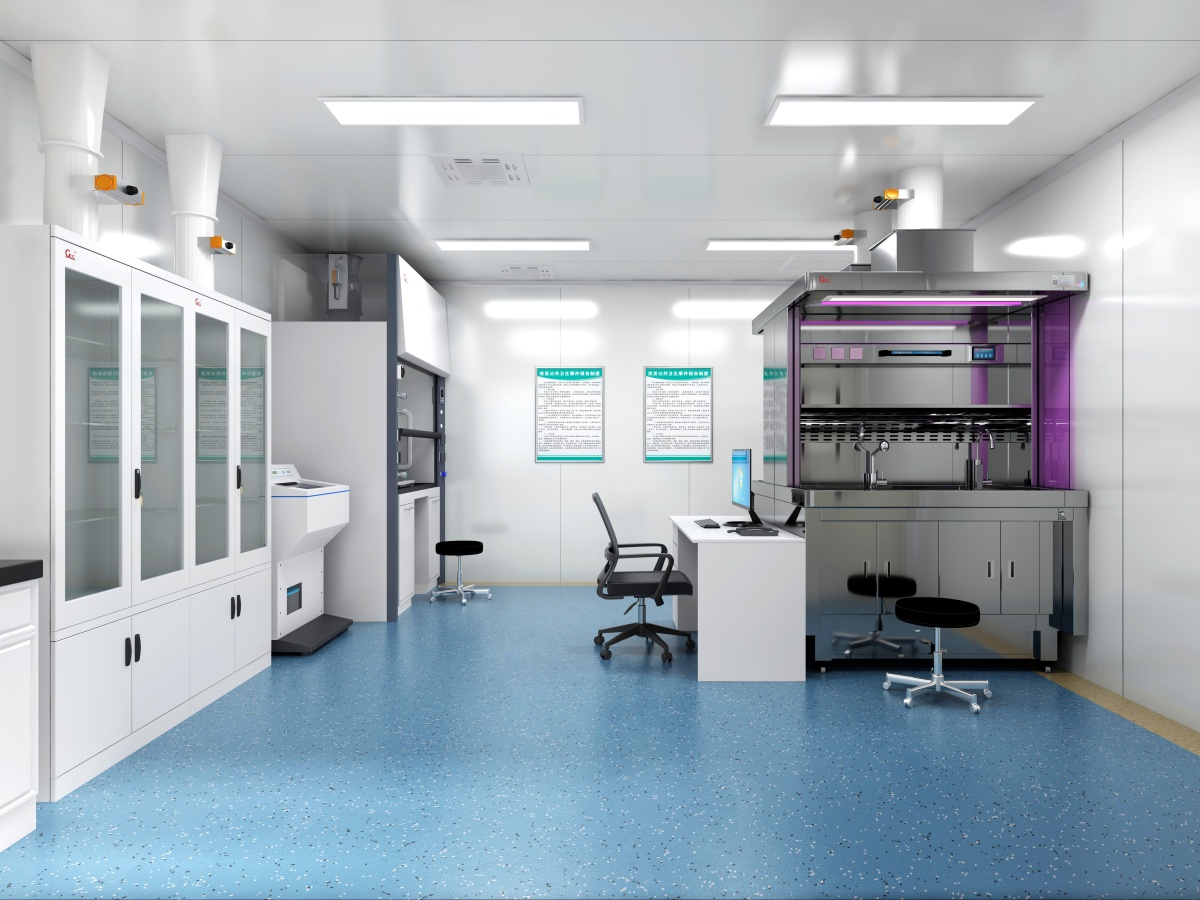
1. Core Principle: Reduce Specimen Movement and Time Loss
In many labs, poor layout forces technicians to walk long distances between workstations. Consequently, this wastes time and increases the risk of contamination or specimen damage.
To solve this, we follow the “Unidirectional Linear Flow” principle:
- Grossing Area – the entry point for specimens
- Processing Area – placed next to grossing to reduce exposure time
- Embedding & Sectioning – organized as a continuous workflow
- Staining & Diagnosis – the final stage
By organizing the lab this way, workflow becomes faster, safer, and more predictable.
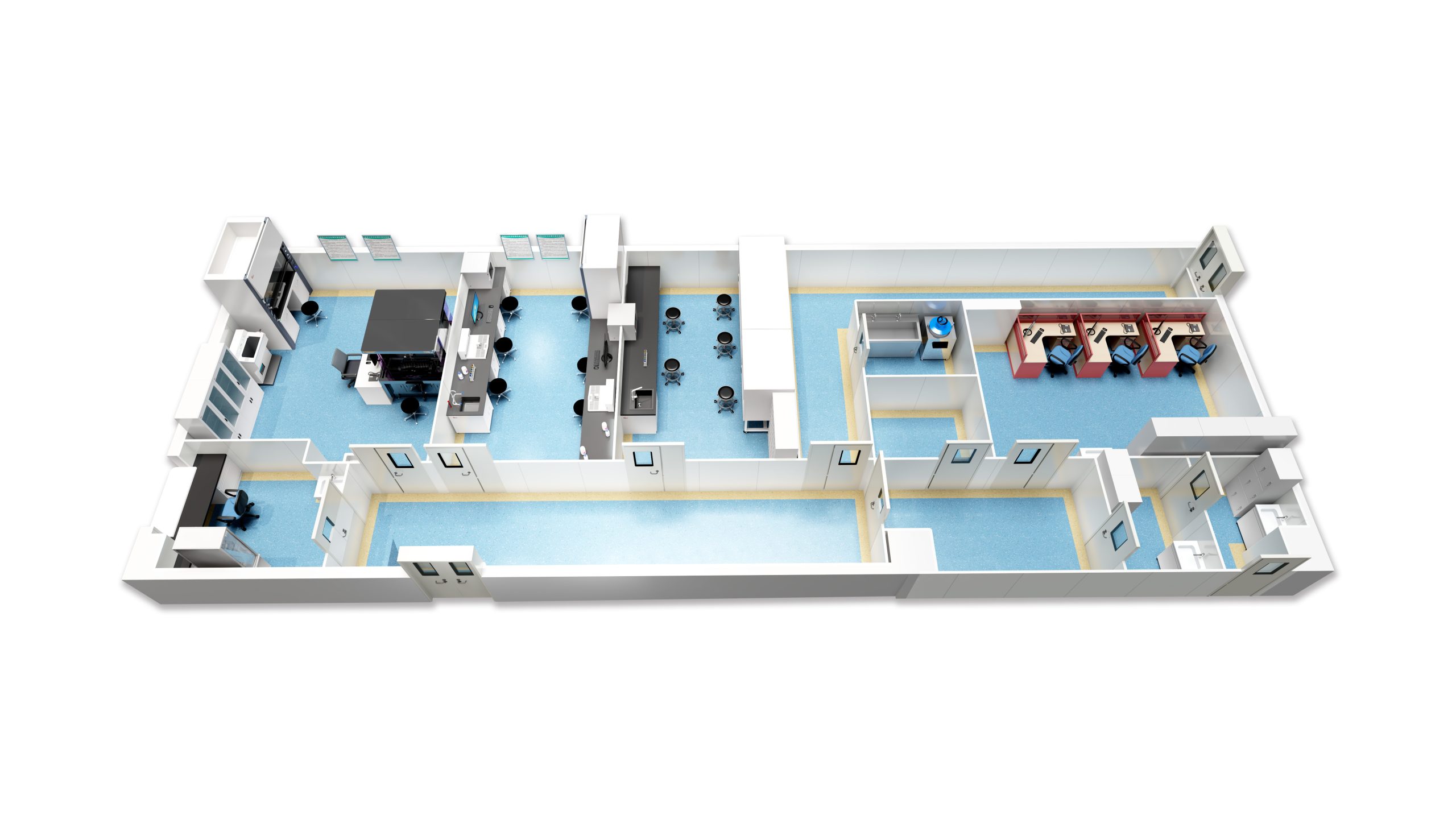
2. Key Optimization: Grossing Station + Tissue Processor
In traditional layouts, planners often ignore the distance between the grossing station and the tissue processor. However, this detail has a major impact.
The problem:
If the distance is too long, technicians must carry formaldehyde samples across the lab. As a result, this increases spill risks and operator fatigue.
The GCC solution:
We carefully plan equipment placement and shorten this distance. In addition, we recommend transport carts or integrated workstations.
Therefore:
- Processing time can drop by 5–10%
- Formaldehyde exposure in the lab is significantly reduced
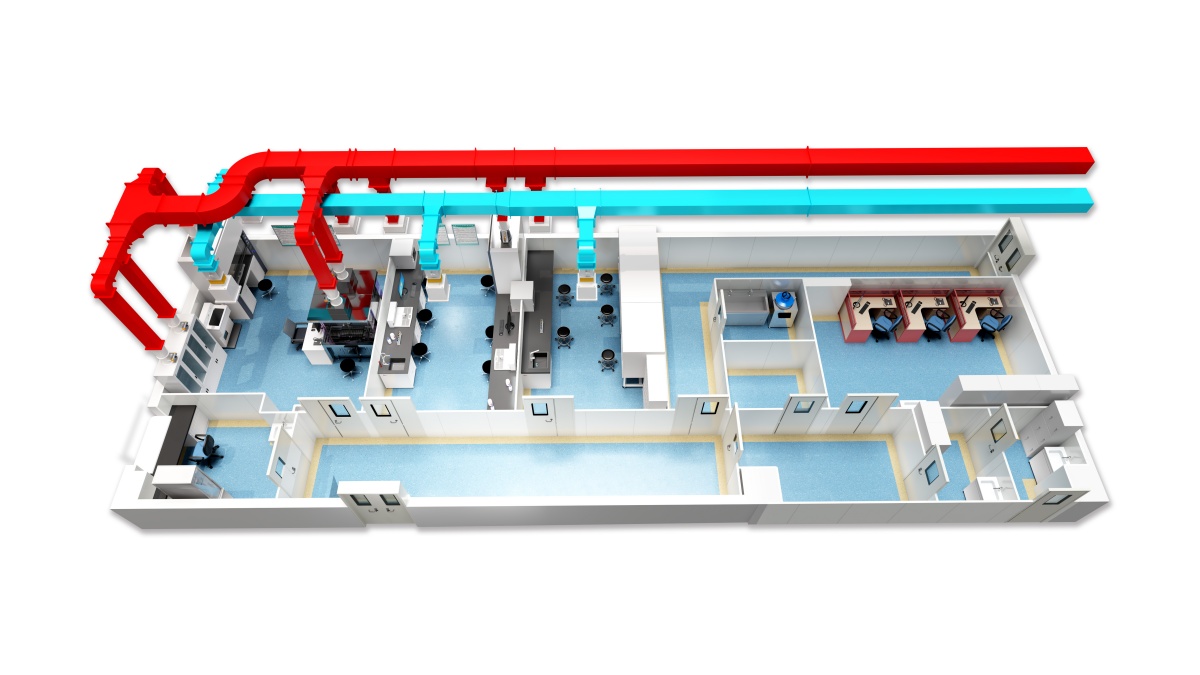
3. Combine Safety with Smart Ventilation Design
A good workflow must also ensure safety. Therefore, ventilation planning is critical.
- Independent Exhaust Systems:
We design separate exhaust lines for grossing stations, stainers, and fume hoods. This prevents harmful gas backflow. - Temperature Zoning:
We separate heat-generating equipment from sectioning areas. As a result, paraffin blocks remain stable, and slide quality improves.
4. GCC: Your Integrated Solution Partner
At GCC, we believe a high-performance lab is carefully designed—not randomly assembled. Therefore, we provide customized laboratory layouts instead of standard solutions.
Our services include:
- Space Planning: Layout design based on your lab size and workload
- Equipment Integration: Seamless installation of grossing stations, microtomes, and other systems
- Compliance Support: Assistance with ISO 15189 and local standards
5. Conclusion
A pathology lab is more than a group of machines—it is a fully optimized system. With the right design, you can reduce workload, improve safety, and speed up diagnosis.
Frequently Asked Questions
What are the latest trends in pathology laboratory equipment?
Key trends include digital pathology integration, IoT-enabled smart equipment, automated tissue processing, ergonomic workstation design, and energy-efficient ventilation systems. Pathology Equipment Trends
How is digitalization changing pathology laboratories?
Digital pathology is transforming labs through smart grossing stations with imaging systems, LIS integration, automated data recording, and remote diagnostic capabilities. Smart Pathology Workstations
What are the key standards for pathology laboratory design?
Pathology lab design must comply with ISO 15189, CAP, and local biosafety regulations. Key considerations include workflow zoning, pressure differentials, airflow management, and equipment layout. Pathology Lab Design Standards
📞 Contact GCC for Your Lab Project
Planning a new lab or upgrading an existing one? Contact our experts today for a tailored solution.
- WhatsApp: +86 18148635992
- Email: Sales@gzkunling.com
- Website: www.gccpathology.com