坤灵最新logo-scaled-1.png)
Introduction
Pathology is the cornerstone of modern medicine, providing critical insights into disease causes, progression, and treatment decisions. To ensure accurate and reliable results, pathology laboratories rely on a comprehensive range of instruments—from basic lab equipment to advanced molecular diagnostic systems.
This 2026 guide provides a structured overview of essential pathology laboratory equipment, including both application-based categories and functional laboratory zoning, helping laboratory planners, engineers, and procurement teams make informed decisions.
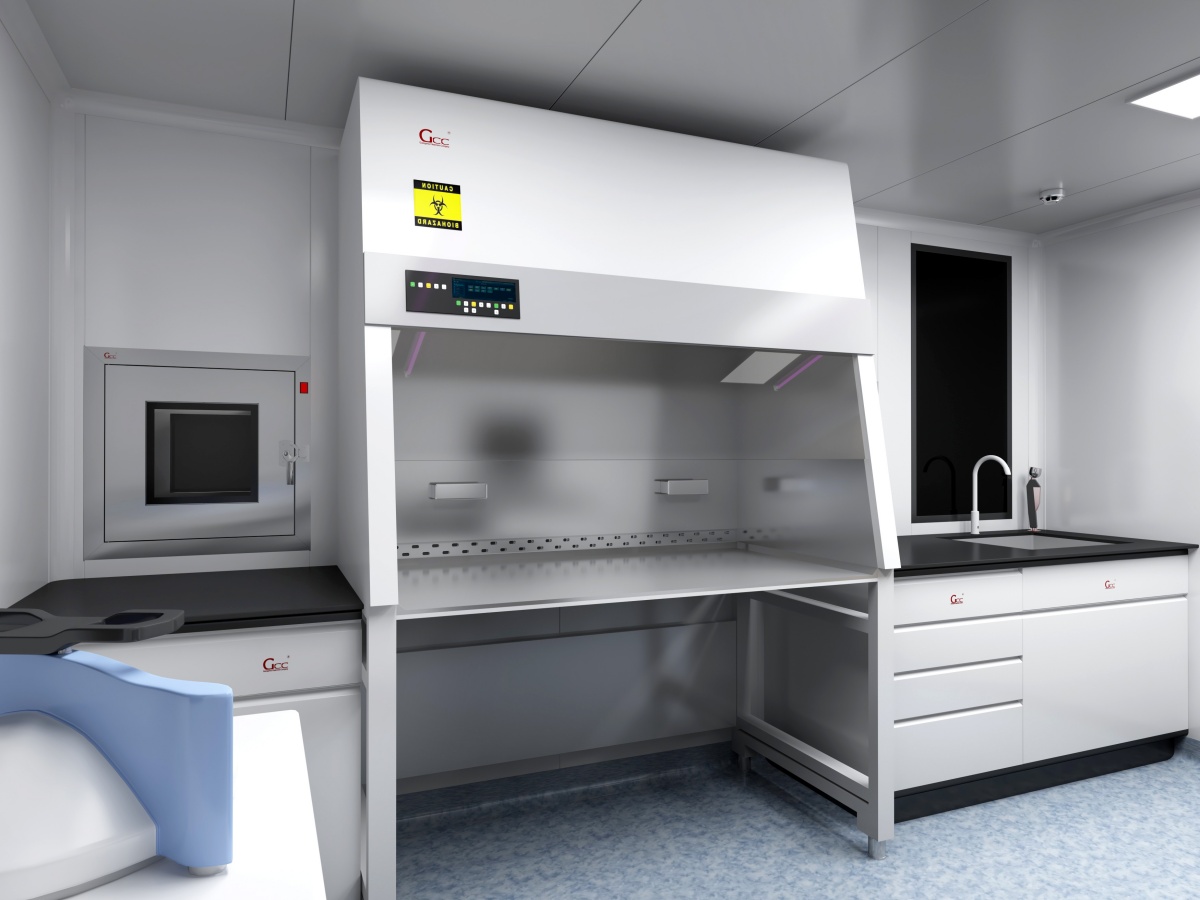
1. Basic Laboratory Equipment
These foundational tools support routine operations and sample preparation:
- Microscopes (light, fluorescence, digital): Core tools for tissue and cellular analysis
- Centrifuges: Separate blood components and prepare samples
- Incubators: Maintain controlled environments for cell culture
- Refrigerators & Freezers: Store reagents and biological samples
- Autoclaves & Sterilizers: Ensure aseptic conditions
2. Histopathology Equipment
Histopathology focuses on tissue-level diagnosis:
- Microtomes: Cut ultra-thin tissue sections
- Cryostats: Prepare frozen sections for rapid diagnosis
- Tissue Processors: Automate fixation and embedding
- Embedding Stations & Paraffin Molds
- Water Baths / Slide Floatation Baths
👉 These systems ensure consistency and precision in tissue processing workflows.ow.
3. Cytology and Biopsy Equipment
Used for cellular-level diagnostics and sampling:
- Fine Needle Aspiration (FNA) Needles
- Bone Marrow Biopsy Needles
- Cytocentrifuges
👉 Essential for early cancer detection and cytopathology analysis.gy.
4. Hematology and Clinical Pathology Instruments
For blood and body fluid analysis:
- Automated Hematology Analyzers (CBC)
- Coagulation Analyzers
- Urine Analyzers
- Spectrophotometers
👉 Automation improves diagnostic accuracy and lab efficiency.
5. Molecular and Immunopathology Equipment
Supports advanced diagnostics and precision medicine:
- PCR Machines (Thermal Cyclers)
- ELISA Readers
- Flow Cytometers
- HPLC Systems
👉 Critical for genetic testing, biomarker detection, and immune profiling.ng.
6. Laboratory Safety and Support Systems
Ensuring safety and compliance:
Waste Management Systemsn.
Biological Safety Cabinets (BSC)
Laminar Flow Hoods
Personal Protective Equipment (PPE)
7. Equipment List by Laboratory Functional Zoning
In modern pathology lab design—especially for GMP and modular cleanroom projects—equipment is often planned based on functional areas rather than categories.
1️⃣ Sample Receiving & Accessioning Area
- Specimen reception stations
- Barcode labeling systems
- Refrigerators (short-term storage)
👉 Ensures traceability and proper sample handling from the start.
2️⃣ Grossing (Specimen Dissection) Room
- Pathology Grossing Stations (with ventilation & formalin control)
- Dissection tools and cutting boards
- Specimen sinks and waste systems
👉 Critical for operator safety and chemical exposure control.
3️⃣ Tissue Processing Room
- Tissue processors
- Embedding stations
- Paraffin dispensers
👉 Core area for histopathology workflow.
4️⃣ Sectioning & Slide Preparation Area
- Microtomes
- Cryostats
- Water baths
- Slide drying ovens
👉 Requires vibration control and clean airflow conditions.
5️⃣ Staining & Mounting Area
- Automated slide stainers
- Coverslippers
- Chemical storage cabinets
👉 Often integrated with ventilation systems to handle solvents.
6️⃣ Microscopy & Diagnosis Room
- Microscopes (digital/manual)
- Image analysis systems
- Pathologist workstations
👉 Increasingly integrated with digital pathology systems.
7️⃣ Molecular Laboratory (Optional Advanced Area)
- PCR systems
- Biosafety cabinets
- Nucleic acid extraction systems
👉 Requires strict contamination control (often separate zones).
8️⃣ Storage & Archive Area
- Slide storage cabinets
- Paraffin block storage systems
- Cold storage units
9️⃣ Cleanroom & HVAC Support Systems
- FFU (Fan Filter Units)
- HEPA filter housings
- Laminar airflow ceilings
👉 Ensures compliance with ISO 14644 and GMP standards.
8.Pathology Lab Equipment Summary Table
| Category | Equipment Examples | Primary Function |
|---|---|---|
| Basic Lab Tools | Microscopes, Centrifuges, Incubators, Refrigerators | Sample preparation & observation |
| Histopathology | Microtomes, Cryostats, Tissue Processors, Embedding Stations | Tissue sectioning & slide preparation |
| Cytology & Biopsy | FNA Needles, Biopsy Needles, Cytocentrifuges | Cell & tissue sampling |
| Clinical Pathology | Hematology Analyzers, Coagulation Analyzers, Spectrophotometers | Blood and fluid analysis |
| Molecular Pathology | PCR Machines, ELISA Readers, Flow Cytometers, HPLC | Genetic & immunological testing |
| Safety & Support | Biosafety Cabinets, PPE, Sterilizers | Laboratory safety & contamination control |
9.Future Trends in Pathology Equipment
Pathology technology continues to evolve, improving accuracy, speed, and data integration:
- Digital Pathology: Whole-slide imaging for remote consultation and AI-assisted analysis.
- Artificial Intelligence (AI): Supports automated image interpretation and disease detection.
- Automated Sample Handling: Standardizes workflows and minimizes human error.
- Next-Generation Sequencing (NGS): Expands molecular testing for personalized medicine.
10.Conclusion
Modern pathology laboratories rely on a wide range of instruments — from microscopes and microtomes to advanced molecular analyzers — each contributing to accurate, efficient, and safe diagnostics. Understanding these tools highlights the sophistication of pathology and the ongoing innovations improving patient care worldwide.
Enhance Your Pathology Laboratory with GCC Instruments
Explore our full range of pathology lab instruments and solutions for precise, efficient, and safe diagnostics.
[Browse Products] | [Contact Us for Consultation]