坤灵最新logo-scaled-1.png)
GCC Pathology specializes in automatic tissue processing equipment designed for modern histopathology laboratories. Our tissue processors are developed to improve laboratory workflow efficiency, specimen consistency, and pathology automation performance for hospitals, diagnostic centers, medical universities, and research institutions worldwide.
Get a Quote WhatsApp UsWhat Is a Tissue Processor?
A tissue processor is a specialized pathology instrument used to prepare tissue specimens before embedding and microscopic examination. Through fixation, dehydration, clearing, and paraffin infiltration, tissue processors ensure consistent specimen quality and improve laboratory efficiency.
Modern fully enclosed tissue processors reduce manual operation, improve reagent management, and provide reliable processing results for routine pathology and high-volume laboratories.
For more information, you can read our guide: What Is a Tissue Processor?
Types of Tissue Processors
Single-Chamber Tissue Processors
Single-chamber systems provide reliable dehydration and paraffin infiltration for routine histopathology applications and daily specimen processing.
Fully Enclosed Tissue Processors
Fully enclosed systems offer better reagent management, safer operation, and more consistent tissue processing quality while minimizing reagent exposure.
High-Capacity Tissue Processors
Designed for hospitals and diagnostic laboratories with large daily specimen volumes, high-capacity tissue processors support continuous operation and improved productivity.
Learn more about automated and traditional systems: Automatic vs Manual Tissue Processors
Recommended Tissue Processor Models
GCC offers a complete range of fully enclosed tissue processors for hospitals, diagnostic laboratories, medical universities, and research institutions. Our systems are designed to provide reliable tissue dehydration, stable reagent management, and efficient pathology workflows.
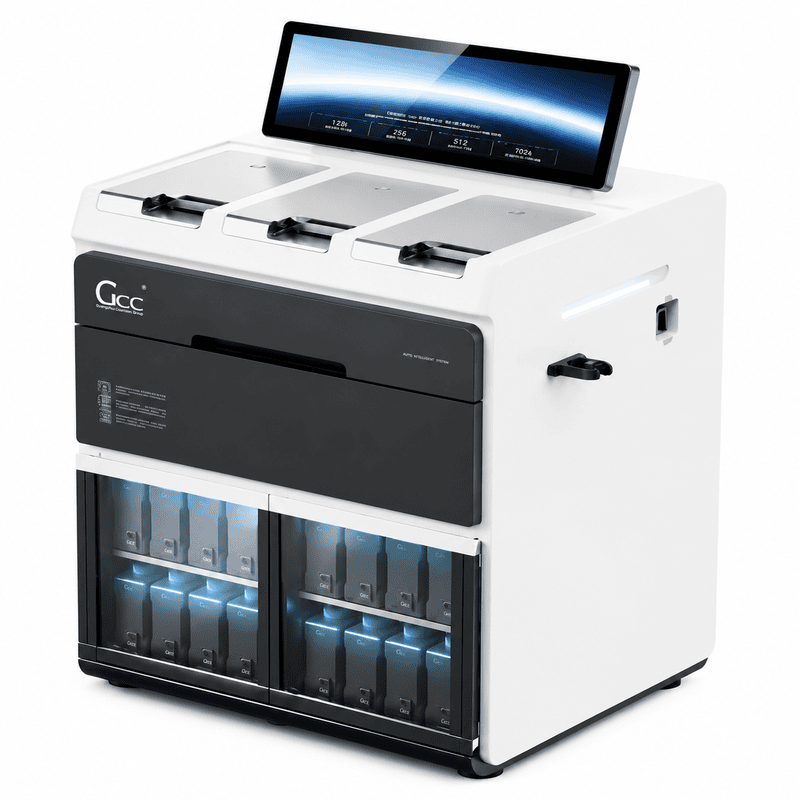
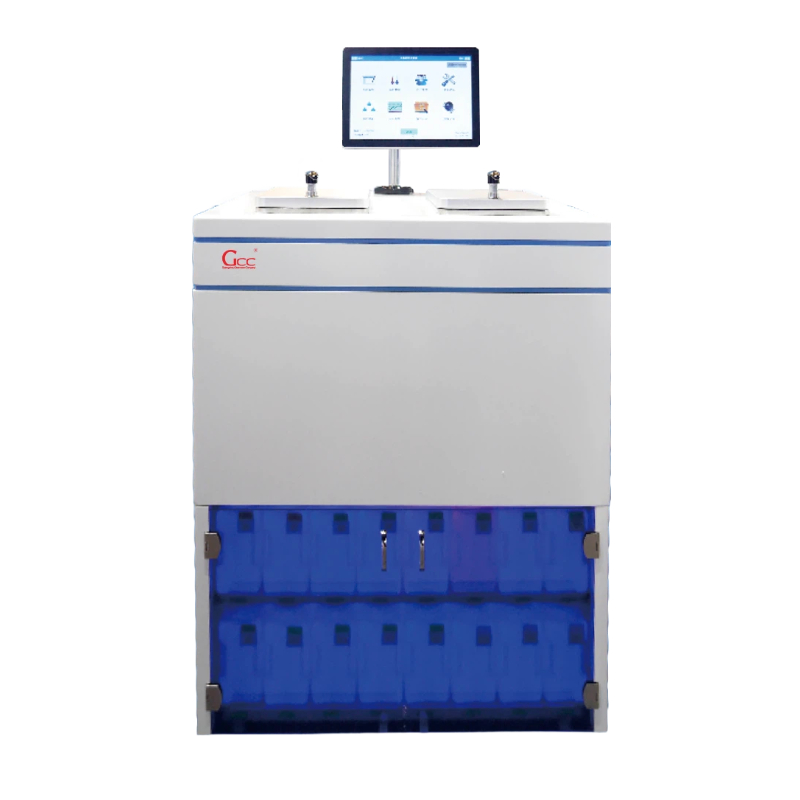
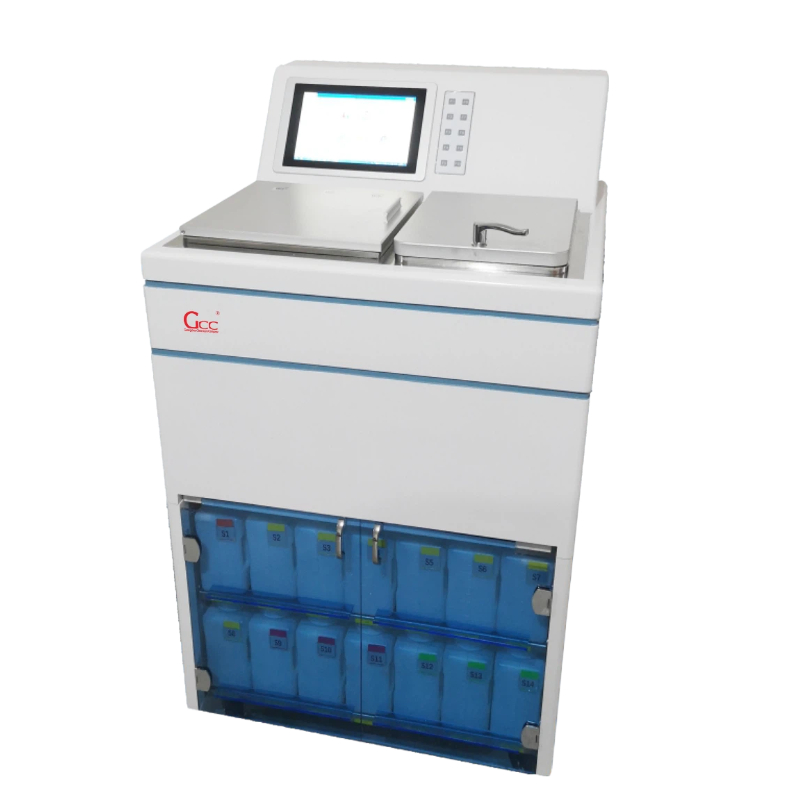
How to Choose the Right Tissue Processor
Selecting the right tissue processor depends on specimen volume, automation requirements, processing capacity, reagent management, and laboratory workflow. Routine laboratories usually choose compact models, while large hospitals and central laboratories often require dual-retort systems with higher throughput.
Additional considerations include safety systems, temperature control, reagent monitoring, and maintenance requirements. Proper equipment selection improves diagnostic efficiency and long-term operational reliability.
Learn more about configuration and engineering requirements: Tissue Processor Model Configuration
For technical specifications, read: Tissue Processor Technical Specifications
Applications of Tissue Processors
- Hospital Pathology Departments
- Medical and Histopathology Laboratories
- Universities and Research Institutes
- Third-Party Diagnostic Laboratories
- Biomedical Research Laboratories
You can also learn about suitable installation environments: Applicable Environments for Tissue Processor Systems
Why Choose GCC as Your Tissue Processor Supplier?
GCC Pathology provides complete tissue processing solutions for hospitals, diagnostic laboratories, universities, and research institutions worldwide.
- Fully enclosed tissue processor solutions
- Compact and dual-retort models available
- OEM and private label manufacturing support
- Professional engineering documentation
- Global export experience
- Reliable quality control and after-sales service
- Complete histopathology laboratory equipment solutions
Besides tissue processors, GCC also supplies pathology grossing stations, embedding centers, microtomes, slide stainers, and laboratory ventilation systems.
Looking for Pricing or Technical Support?
Contact our engineering team for quotations, technical specifications, OEM cooperation, and laboratory project consultation.
Request Quotation Chat on WhatsAppContact Us
Email: Victor@gccpathology.com