坤灵最新logo-scaled-1.png)
Building or modernizing a pathology department is a major capital project. Among the myriad of decisions facing hospital boards, laboratory directors, and EPC contractors, selecting the central workstation is paramount. The Pathology Grossing Station is the most complex asset in the grossing room—it acts simultaneously as a chemical containment unit, a drainage sink, an ergonomic workspace, and a digital imaging hub.
Selecting the wrong grossing station specifications can lead to catastrophic consequences downstream: failed building handovers, ongoing regulatory compliance issues (NABL, ISO 15189), or repetitive strain injuries among clinical staff.
Whether you are designing a human clinical laboratory or a specialized veterinary pathology core, this comprehensive selection guide breaks down the critical factors required to choose the best grossing station options for your new facility.
1. Decoding Grossing Station Ventilation: Containment Over CFM
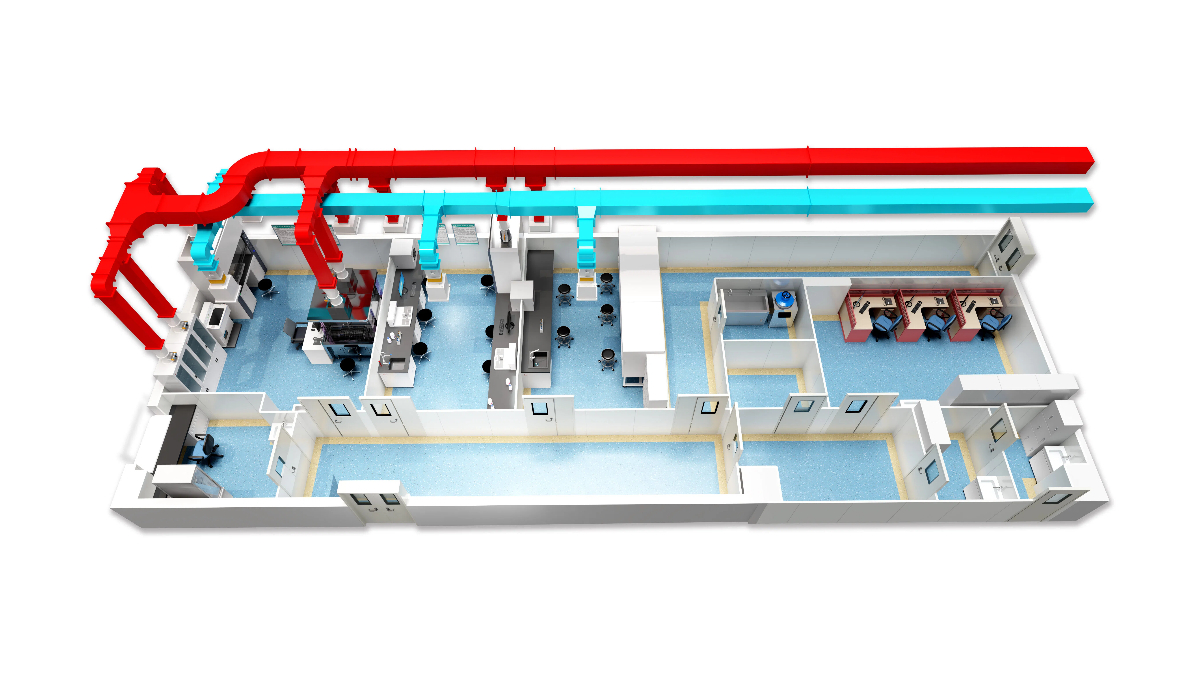
The most critical factor in any selection process is grossing station ventilation. Formaldehyde and xylene vapors are heavy, carcinogenic, and volatile. A legacy or poorly engineered system will allow these fumes to pool at the work surface or escape into the technician’s breathing zone.
When reviewing engineering submittals for a new build, look for two primary ventilation configurations:
Downdraft Extraction: Air is pulled vertically downward through the perforated stainless steel work surface. This is the optimal setup for capturing heavy formalin vapors directly at the specimen level.
Backdraft Extraction: Air is pulled horizontally backward through a slotted plenum on the rear wall. This is essential for protecting the user during macro-description when high-volume tissue blocks are open.
Engineering Metric to Demand: Do not just look at total CFM (Cubic Feet per Minute). Ensure the manufacturer guarantees a consistent face velocity of 0.40 m/s to 0.50 m/s across all suction grilles. Additionally, specify whether your building layout requires an External Exhaust System (ducted to the roof blower) or a Recirculating System (utilizing heavy-duty, internal potassium permanganate and carbon filters).
2. Materials & Construction Specs: Engineering for Decades
A high-volume grossing room is a highly corrosive environment. Workstations are subjected to constant moisture, harsh fixatives, and aggressive chlorine-based decontaminants daily.
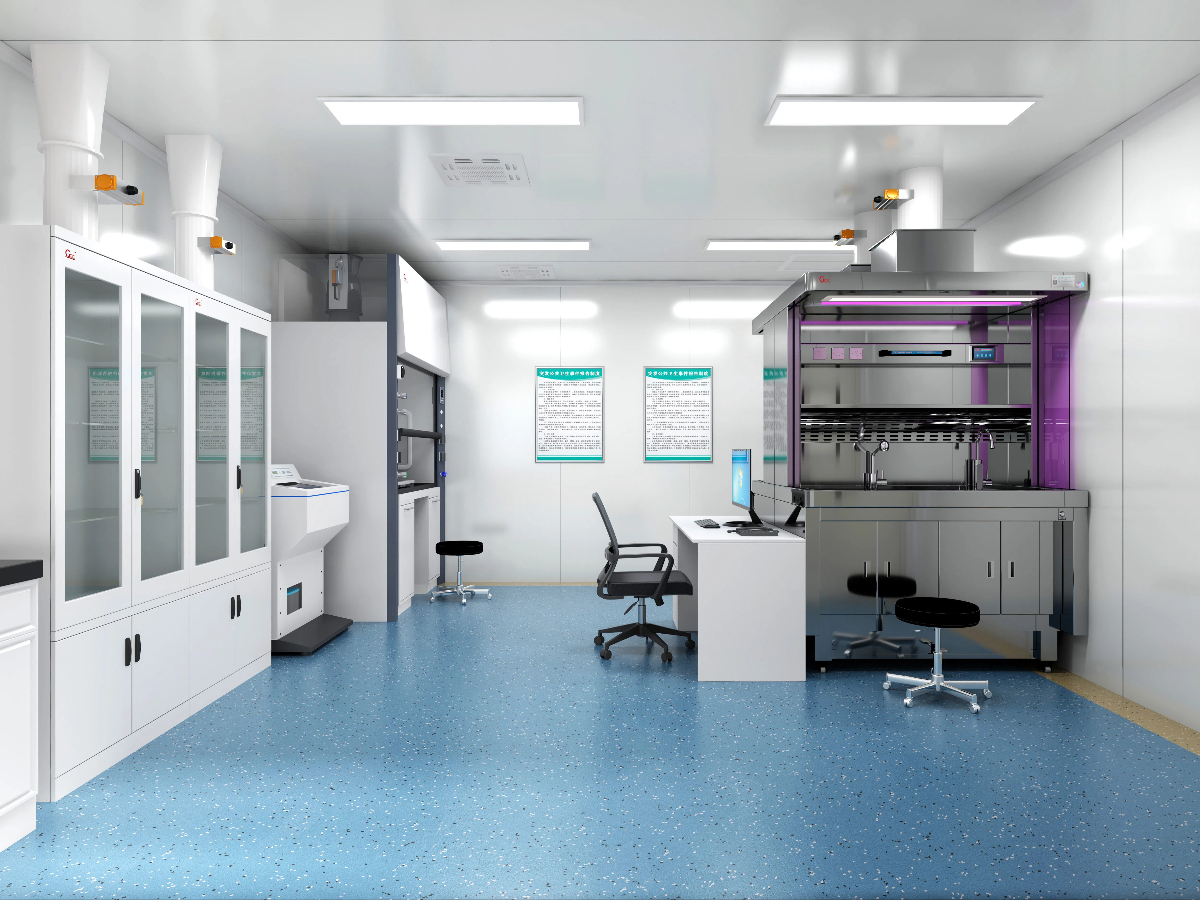
316 Stainless Steel is Non-Negotiable: Lower-tier modern grossing stations often use 304 stainless steel to cut costs. However, for a new facility designed to last decades, the basin, worktops, and internal plenums must be constructed from heavy-gauge 316-grade stainless steel. 316 steel contains molybdenum, which provides superior resistance to pitting and crevice corrosion caused by organic acids and chlorides.
Coved Corners: Ensure the internal corners of the sink and workspace are seamlessly welded with radius coving. Sharp 90∘ angles are impossible to properly sanitize, leading to bio-burden buildup and cross-contamination risks.
3. Ergonomic Grossing Station Design: Protecting Your Greatest Asset
Pathology technicians and pathologists often spend 6 to 8 hours a day standing or sitting at a grossing table. Chronic physical strain leads to fatigue, which directly increases the margin for diagnostic error.
When evaluating an ergonomic grossing station, look for these standard integrations:
Electronic Height Adjustment: A motorized chassis allows the entire station to raise or lower at the touch of a button (typically ranging from 800 mm to 1050 mm). This accommodates multiple shifts of tall or short technicians and allows seamless transitions between sitting and standing work.
Optimal Task Lighting: The workstation must feature built-in, dimmable LED lighting systems that closely mimic natural daylight (≥4000K). This minimizes eye strain and ensures accurate color distinction during macro-description.
Proximity Controls: Hands-free foot pedals for water faucets, formalin dispensing, and waste disposal keep the user’s hands completely focused on the specimen, reducing repetitive reaching movements.
4. Pathology Lab Workflows & Digital Integration
A modern laboratory cannot operate with isolated equipment. Your workstation must serve as a connected hub to optimize overall pathology lab workflows.
When drafting your procurement specifications, ensure the layout accommodates:
Macro-Imaging Compatibility: Dedicated, rigid overhead mounting brackets to support high-resolution digital cameras without introducing structural vibrations.
Data & Power Arrays: Integrated, splash-proof USB ports, LAN drops, and power outlets for barcode scanners, touchscreens, and electronic dictation foot pedals.
Waste Management: Built-in formalin disposal sinks connected to collection carboys with automated high-level alarm sensors to prevent dangerous laboratory spills.
5. Grossing Station Installation & Building Integration
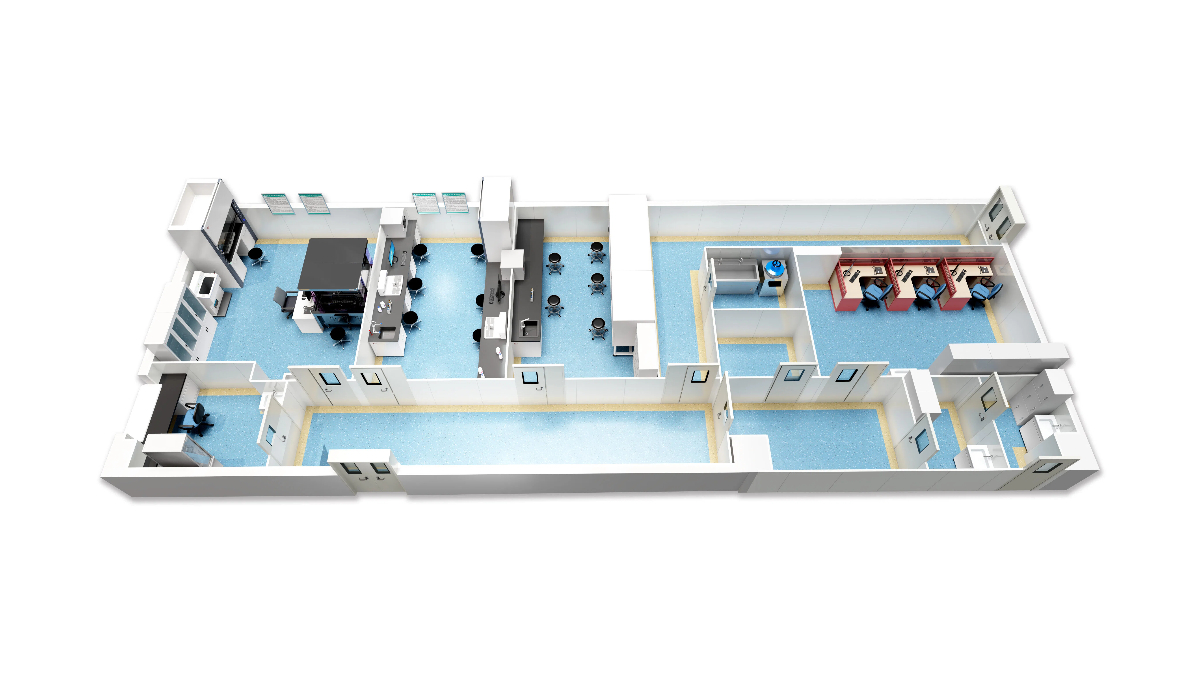
The biggest bottleneck in new laboratory construction occurs during grossing station installation. If the equipment’s mechanical, electrical, and plumbing (MEP) connections do not precisely align with the building’s rough-ins, project timelines stall.
Before finalizing a purchase order, demand that your manufacturer provides:
Comprehensive CAD and Revit/BIM submittal drawings detailing exact utility entry points (water supply, drain placement, electrical drop, and duct collar diameters).
Tailored integration data for the building management system (BMS) to balance the laboratory’s total HVAC supply and exhaust air loads.
Frequently Asked Questions
What factors should I consider when buying pathology equipment?
Key factors include daily workload, available lab space, safety requirements, budget constraints, regulatory compliance needs, and future scalability. A thorough needs assessment ensures the right investment. Equipment Procurement Guide
How to compare price vs value in pathology equipment?
Consider total cost of ownership including purchase price, installation, maintenance, consumables, and energy consumption. A higher upfront investment may offer better long-term value. Price & Value Guide
What are the different types of pathology grossing stations?
Grossing stations range from basic stainless steel workstations to advanced intelligent systems with touchscreen controls, formalin filling, and real-time environmental monitoring. The main types include basic models, height-adjustable stations, and smart digital systems. Types of Grossing Stations
How does a tissue processor work in histopathology?
A tissue processor automates the dehydration, clearing, and paraffin infiltration of tissue specimens. It moves samples through graded alcohols, xylene, and molten paraffin under controlled temperature and vacuum conditions. What is a Tissue Processor
What is the difference between ducted and ductless fume hoods?
Ducted fume hoods exhaust contaminated air outside the building through ductwork, ideal for high-volume chemical use. Ductless fume hoods use HEPA and activated carbon filtration to clean and recirculate air, offering flexible installation. Pathology Fume Hood Guide
The GCC Advantage: Turnkey Engineering for New Lab Builds
GCC is not just an equipment vendor; we are an engineering partner for high-containment and cleanroom laboratory environments. We specialize in value-engineered, turnkey solutions that seamlessly bridge the gap between architectural blueprints and day-to-day diagnostic realities.
From heavy-duty Laboratory Benches and certified Fume Hoods to completely customized pathology workstations, our international project engineering teams ensure your new facility passes regulatory inspection on day one.
�� Request CAD Submittals & Technical Specifications for Your Project
Are you currently designing, bidding, or constructing a new pathology laboratory or veterinary research core? Contact GCC’s international project lead, Victor, to receive complete engineering specifications, equipment datasheets, and a complimentary initial layout consultation.
Explore Our Turnkey Product Catalog: www.gccpathology.com
Direct Project RFQ & Engineering Support (Email): Victor@gccpathology.com
Instant B2B Project Consultation (WhatsApp): +86 18148635992