坤灵最新logo-scaled-1.png)
Setting up a new histopathology laboratory requires careful planning, equipment selection, and budget allocation. Choosing the right pathology equipment not only affects laboratory efficiency but also impacts diagnostic quality, regulatory compliance, and long-term operating costs.
This guide explains the essential equipment required for a modern pathology laboratory, procurement priorities, key technical specifications, and typical investment ranges.
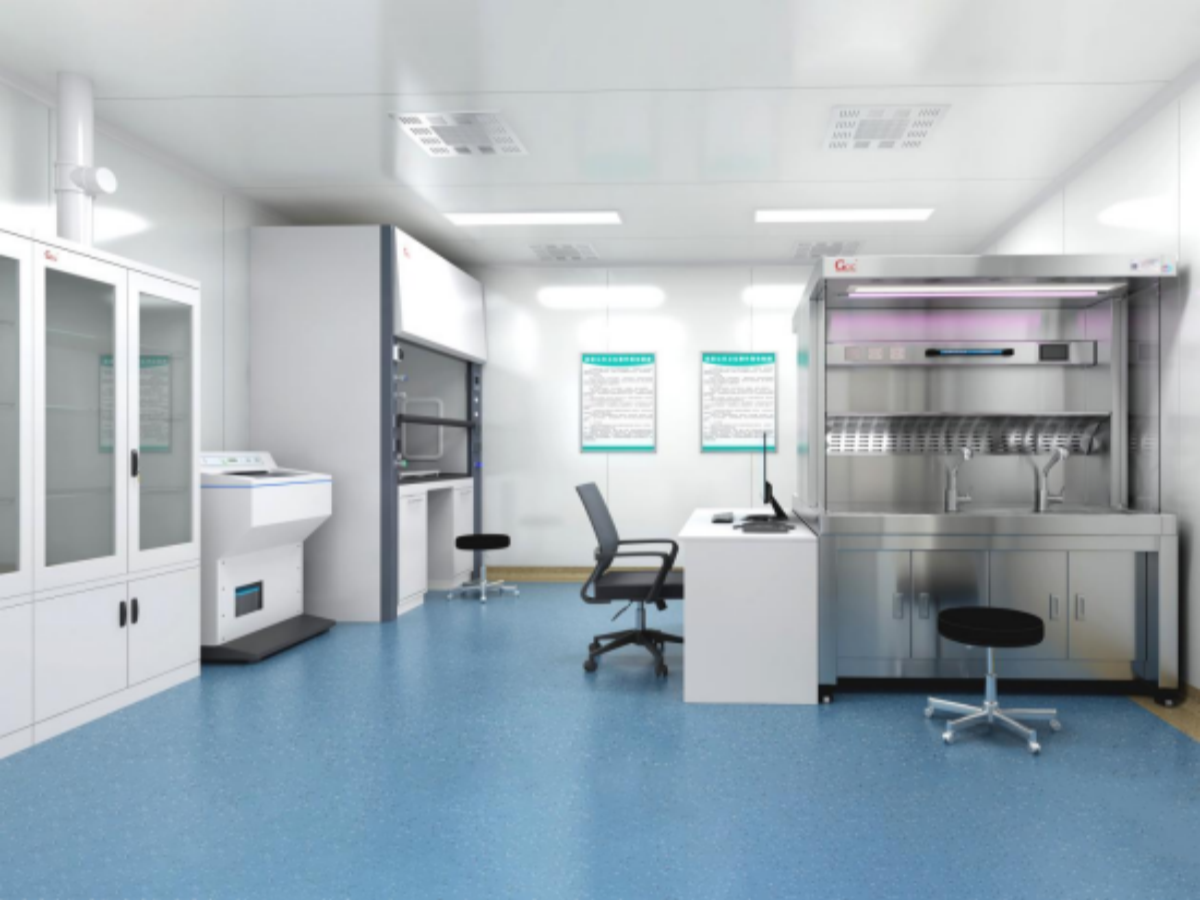
Step 1: Assess Laboratory Requirements
Before purchasing equipment, laboratories should evaluate:
Expected Sample Volume
- Small laboratory: <50 cases/day
- Medium laboratory: 50–150 cases/day
- Large laboratory: >150 cases/day
Specimen Types
- Biopsy specimens
- Surgical specimens
- Frozen section specimens
- Cytology specimens
Staffing Levels
- Pathologists
- Histotechnologists
- Laboratory technicians
- Administrative personnel
Understanding workload and staffing requirements helps determine equipment capacity and automation levels.
Step 2: Plan the Laboratory Layout
A well-designed pathology laboratory should include dedicated areas for:
Grossing Area
Used for specimen examination and tissue sampling.
Tissue Processing Area
Used for fixation, dehydration, clearing, and paraffin infiltration.
Embedding and Sectioning Area
Used for paraffin embedding and microtomy.
Staining Area
Used for H&E staining, special stains, and slide preparation.
Microscopy and Reporting Area
Used by pathologists for slide review and diagnosis.
Proper zoning improves workflow efficiency and supports laboratory accreditation requirements.
Step 3: Build Your Equipment Procurement List
A pathology laboratory typically purchases equipment in four phases.
Phase 1: Grossing Equipment
The grossing area is the starting point of the pathology workflow.
Essential Equipment
Pathology Grossing Station
Provides ventilation, specimen handling space, washing systems, and integrated work surfaces.
Formalin Injection System
Improves fixation quality for large specimens.
Exhaust and Ventilation System
Removes formaldehyde vapors and protects laboratory staff.
Specimen Containers and Labeling Systems
Supports sample traceability and workflow management.
Dictation and Reporting Systems
Allows pathologists to document findings efficiently.
Phase 2: Tissue Processing Equipment
Following gross examination, specimens enter tissue processing.
Essential Equipment
Automatic Tissue Processor
Performs dehydration, clearing, and paraffin infiltration automatically.
Tissue Cassettes
Used for specimen identification and processing.
Chemical Reagents
Common reagents include:
- Formalin
- Ethanol
- Xylene
- Paraffin wax
Chemical Storage Cabinets
Required for safe storage of flammable chemicals.
Personal Protective Equipment (PPE)
Includes gloves, masks, eye protection, and chemical-resistant garments.
Phase 3: Embedding and Sectioning Equipment
After tissue processing, specimens are embedded and sectioned.
Essential Equipment
Paraffin Embedding Station
Combines paraffin dispensing, warming, and cooling functions.
Rotary Microtome
Produces thin tissue sections for microscopic examination.
Cryostat
Used for frozen section procedures and rapid intraoperative diagnosis.
Microtome Blades
Disposable blades for routine sectioning.
Water Bath and Slide Warmer
Used for flattening and drying tissue sections.
Phase 4: Staining and Diagnostic Equipment
This phase completes slide preparation and diagnosis.
Essential Equipment
Automated Slide Stainer
Performs H&E and special staining protocols.
Automated Coverslipper
Applies coverslips automatically for consistent slide quality.
Binocular Microscopes
Primary diagnostic tool for pathologists.
Slide Storage Systems
Provides organized storage for pathology slides.
Laboratory Information System (LIS)
Supports specimen tracking, reporting, and digital workflow management.
Key Technical Specifications to Request from Suppliers
When comparing pathology equipment suppliers, laboratories should request detailed specifications.
Grossing Station
Key Specifications
- Width: 1500–2200 mm
- Ducted or ductless ventilation
- SUS304 stainless steel construction
- Touchscreen controls
- UV sterilization options
Typical Price Range
USD 9,000–55,000
Automatic Tissue Processor
Key Specifications
- Capacity: 150–500 cassettes
- Enclosed processing system
- Independent exhaust
- Programmable protocols
Typical Price Range
USD 12,000–45,000
Paraffin Embedding Station
Key Specifications
- Integrated paraffin dispenser
- Cold plate
- Temperature accuracy ±1°C
Typical Price Range
USD 4,000–14,000
Rotary Microtome
Key Specifications
- Section thickness range: 0.5–60 μm
- Manual or semi-automatic operation
- Compatible blade holder systems
Typical Price Range
USD 3,500–22,000
Cryostat
Key Specifications
- Chamber temperature down to -35°C
- Specimen temperature down to -50°C
- Anti-roll plate
- Rapid cooling system
Typical Price Range
USD 8,000–30,000
Automated Slide Stainer
Key Specifications
- H&E staining capability
- Special stain compatibility
- Slide throughput capacity
- Reagent management system
- Carryover contamination control
Typical Price Range
USD 15,000–60,000
Typical Pathology Laboratory Budget Allocation
For a medium-sized hospital pathology laboratory with a total equipment investment of approximately USD 120,000–250,000:
| Equipment Category | Budget Share |
|---|---|
| Grossing Station | 22% |
| Tissue Processor | 20% |
| Automated Stainer | 18% |
| Microtome and Cryostat | 15% |
| Embedding Station | 10% |
| Microscopes, LIS and Consumables | 15% |
Note: Building construction, HVAC systems, and IT infrastructure are not included in these estimates.
Frequently Asked Questions
What equipment is needed for a hospital pathology lab?
Hospital pathology labs require grossing stations, tissue processors, embedding stations, microtomes, fume hoods, biosafety cabinets, staining systems, and microscopes based on their diagnostic scope. Hospital Pathology Lab Solutions
How to set up an independent pathology laboratory?
Setting up an independent lab requires proper facility planning, equipment selection, regulatory compliance, quality management systems, and qualified personnel. GCC Pathology offers turnkey solutions. Independent Lab Solutions
What factors should I consider when buying pathology equipment?
Key factors include daily workload, available lab space, safety requirements, budget constraints, regulatory compliance needs, and future scalability. A thorough needs assessment ensures the right investment. Equipment Procurement Guide
Conclusion
Establishing a pathology laboratory requires strategic equipment planning, budget management, and workflow optimization. By purchasing equipment according to laboratory development stages, healthcare facilities can reduce startup costs while ensuring efficient operation and regulatory compliance.
A complete pathology laboratory typically requires grossing stations, tissue processors, embedding stations, microtomes, cryostats, automated stainers, microscopes, and laboratory information systems. Selecting reliable suppliers and requesting detailed technical specifications are critical steps toward building a successful histopathology laboratory.