坤灵最新logo-scaled-1.png)
Setting up a histology or pathology lab means buying the right equipment — in the right order, at the right quality level. Whether you are building from scratch or upgrading an existing facility, this checklist walks you through every piece of equipment you will need, from the moment a specimen enters the lab to the moment a slide is ready for diagnosis.
Quick Overview: The Histology Workflow
Specimens move through the lab in a fixed sequence. Each step needs a dedicated piece of equipment:
| Step | Equipment | What It Does |
|---|---|---|
| 1. Receipt & Grossing | Grossing Station | Specimen inspection, dissection, and sampling |
| 2. Fixation | Fume Hood | Safe chemical fixation of tissue |
| 3. Processing | Tissue Processor | Dehydration, clearing, paraffin infiltration |
| 4. Embedding | Embedding Station | Orienting tissue in paraffin blocks |
| 5. Sectioning | Microtome | Cutting ultra-thin tissue slices |
| 6. Staining | Automatic Stainer | H&E and special staining |
| 7. Coverslipping | Coverslipper | Mounting coverslips on slides |
| 8. Storage | Storage Cabinets | Block & slide archiving |
1. Grossing Station
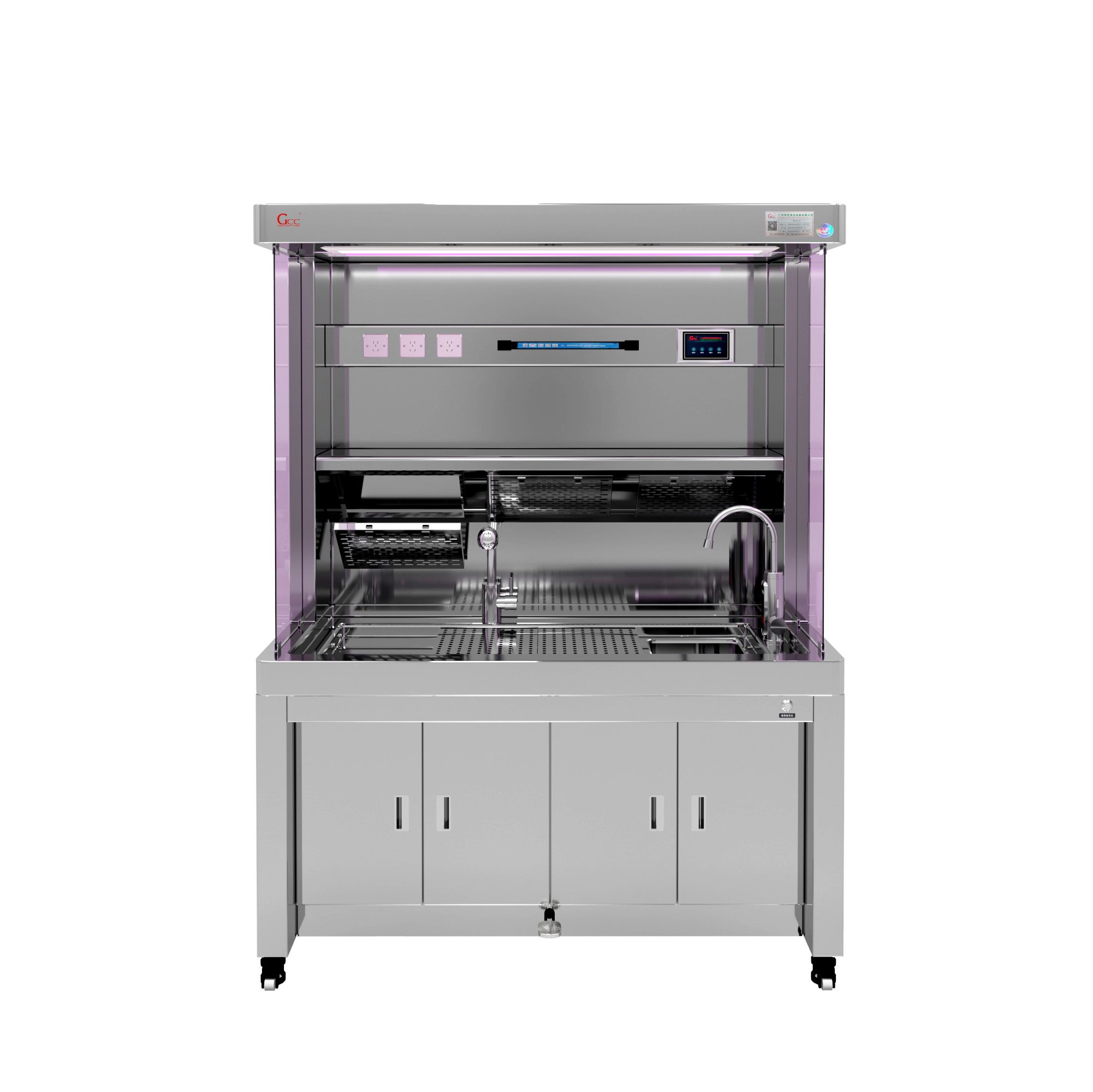
The grossing station is the most heavily used workstation in any pathology lab. It is where specimens are received, inspected, and dissected. A quality grossing station includes a stainless steel work surface, integrated sink, down-draft ventilation for formalin control, UV sterilization, and ergonomic design.
GCC offers single-person and double-person grossing stations, including models with digital imaging and touchscreen control for smart labs.
2. Fume Hood
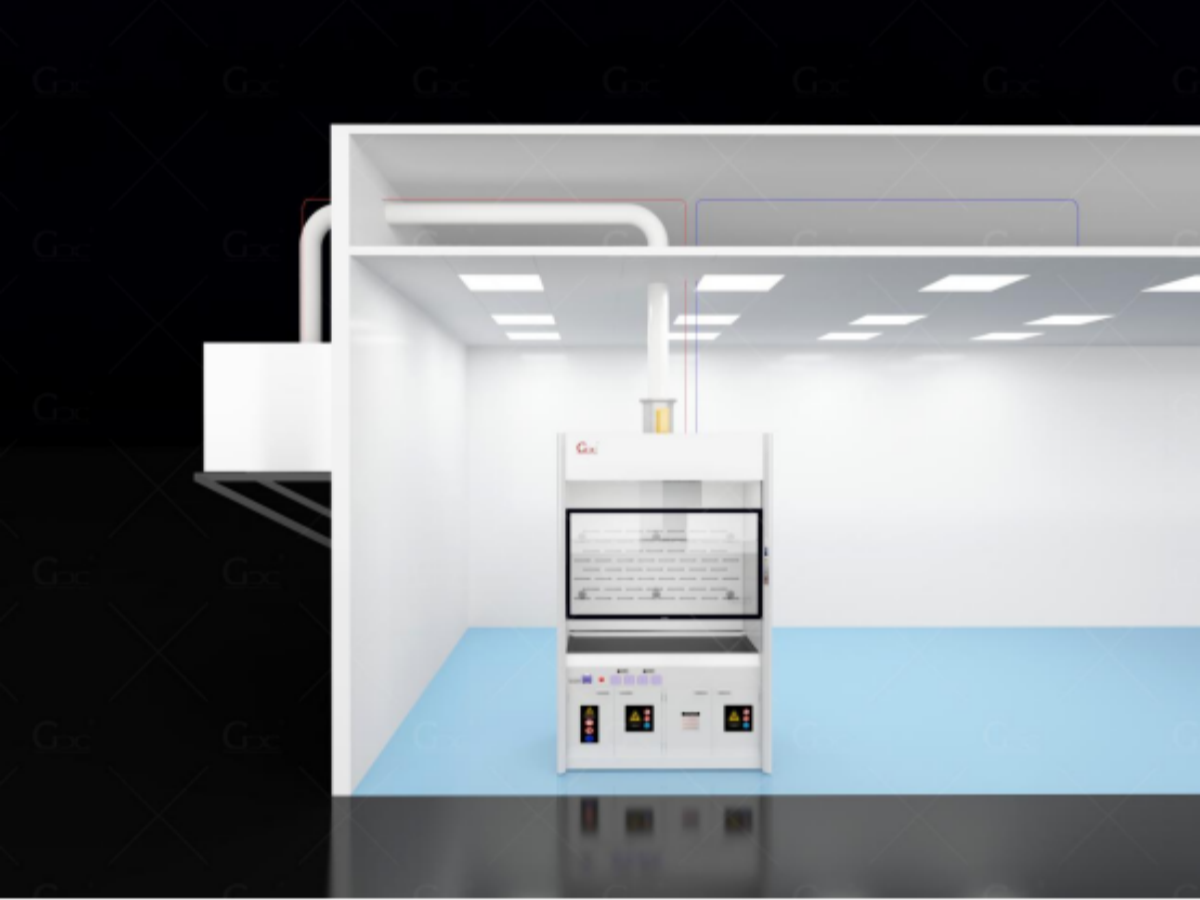
Formalin, xylene, and alcohol — these chemicals are part of daily lab work. A ducted or ductless fume hood protects your staff from exposure. Look for face velocity of at least 0.5 m/s and a chemical-resistant interior.
Explore GCC’s pathology fume hoods.
3. Tissue Processor
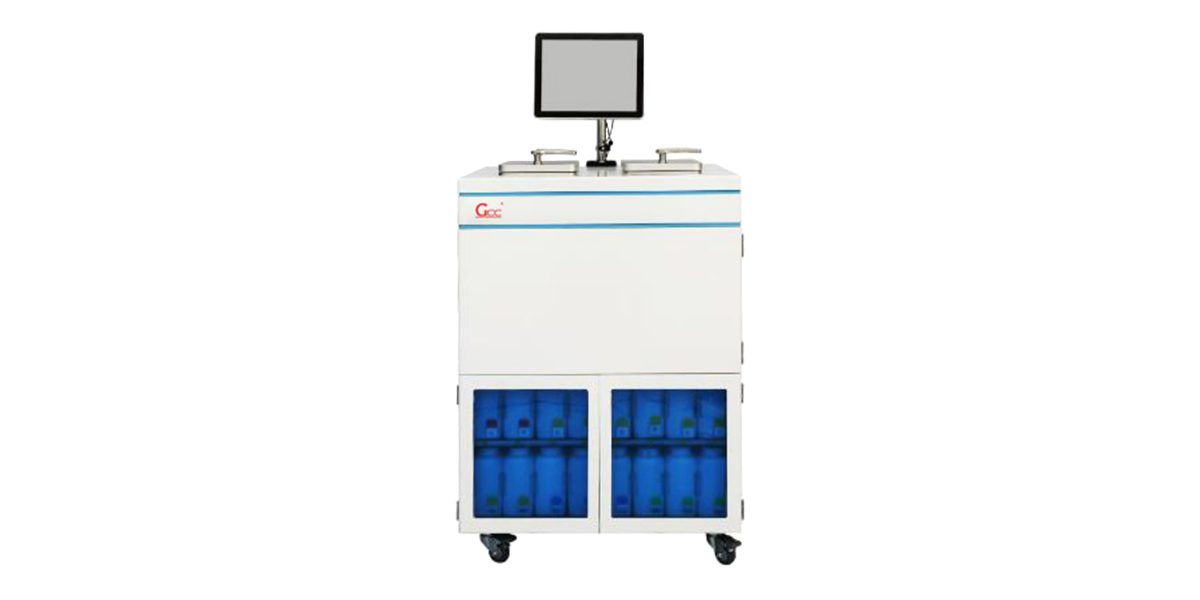
Automated tissue processors handle dehydration, clearing, and paraffin infiltration. For high-volume labs, multi-chamber systems can run several protocols at once. The new GCC-TST900 processes up to 900 cassettes per run with AI-powered quality control.
4. Embedding Station
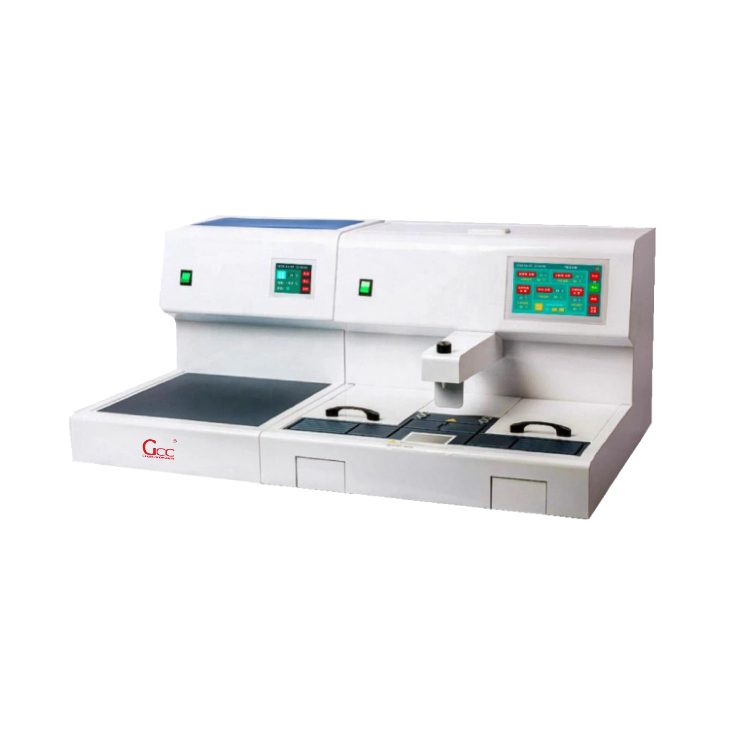
After processing, tissue is embedded in paraffin blocks. A good embedding station offers precise temperature control, a paraffin dispenser, and a cold plate for rapid solidification. See GCC’s embedding stations.
5. Microtome
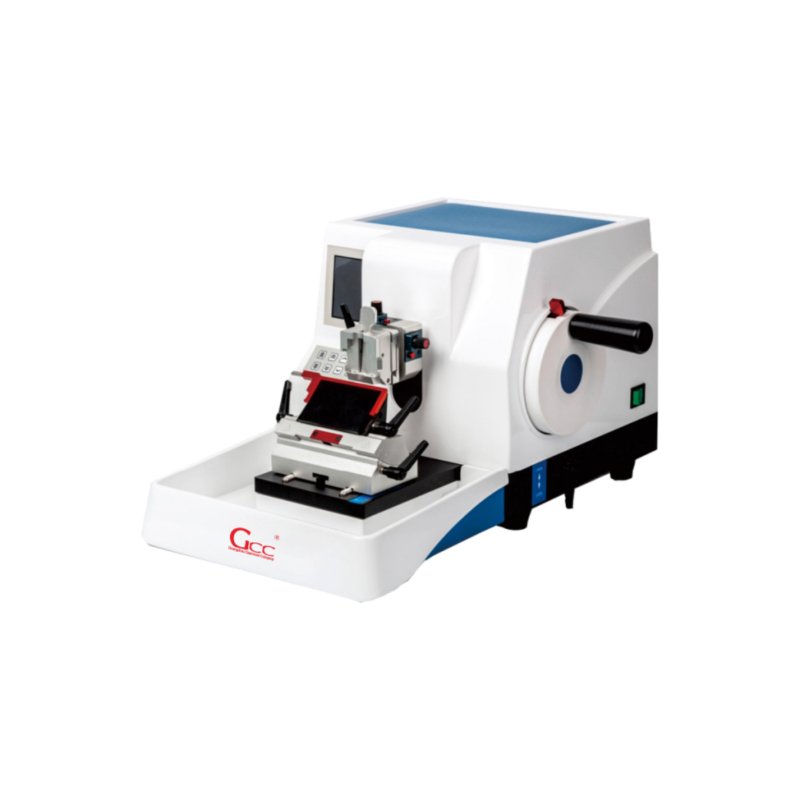
Sectioning quality directly affects diagnosis accuracy. Rotary microtomes deliver precise, ultra-thin slices — look for section thickness from 0.5 to 100 μm and an ergonomic handwheel. Browse GCC’s microtomes.
6. Automatic Stainer & Coverslipper
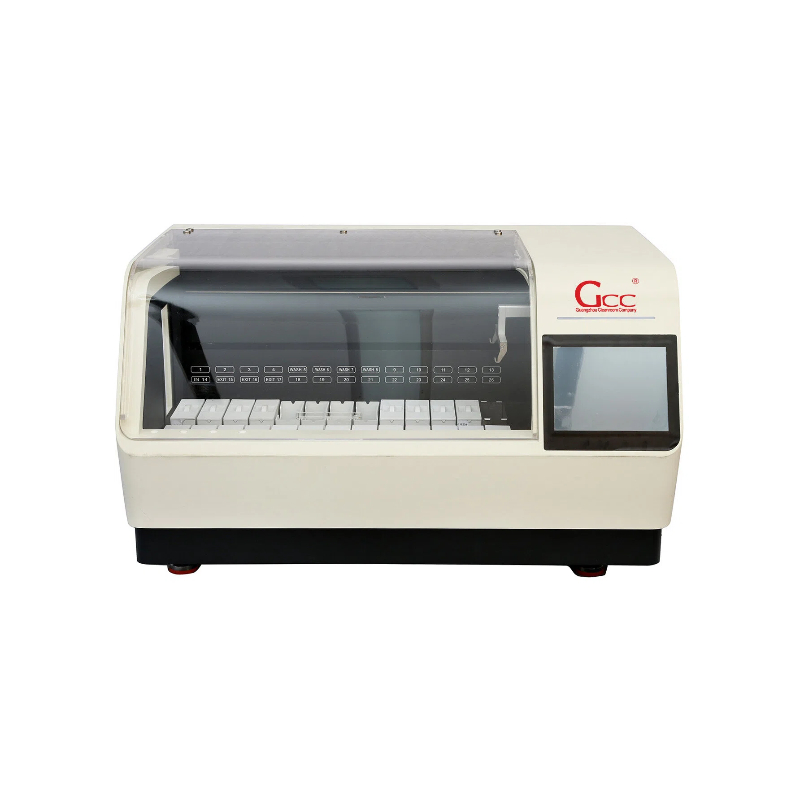
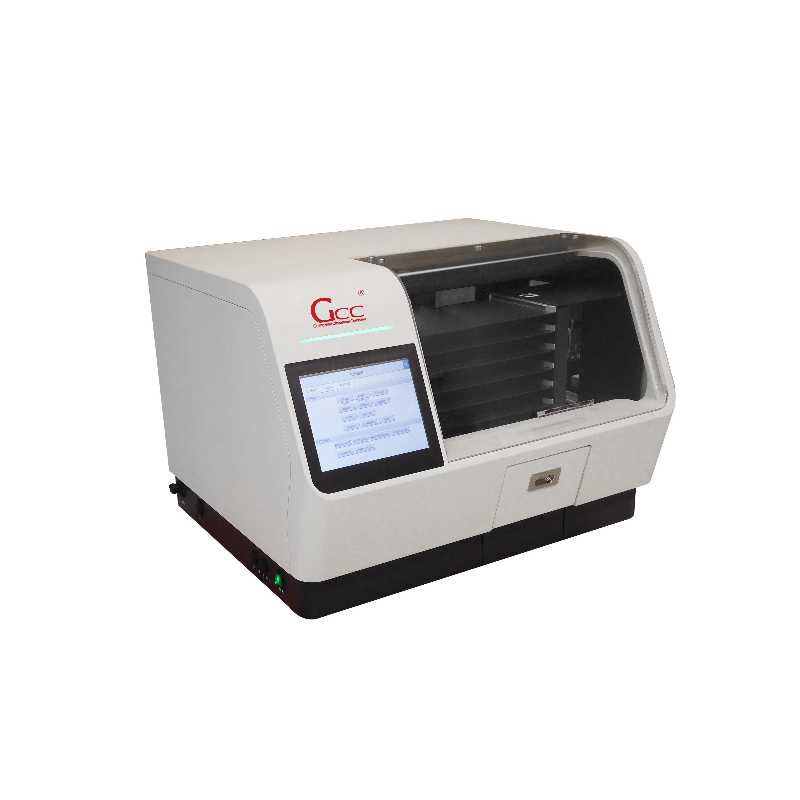
Automation in staining and coverslipping saves technician hours and improves consistency. An automatic stainer handles H&E, special stains, and IHC protocols. A coverslipper eliminates bubbles and adhesive issues. Together, these two machines can double your lab’s slide output.
7. Lab Benches & Storage
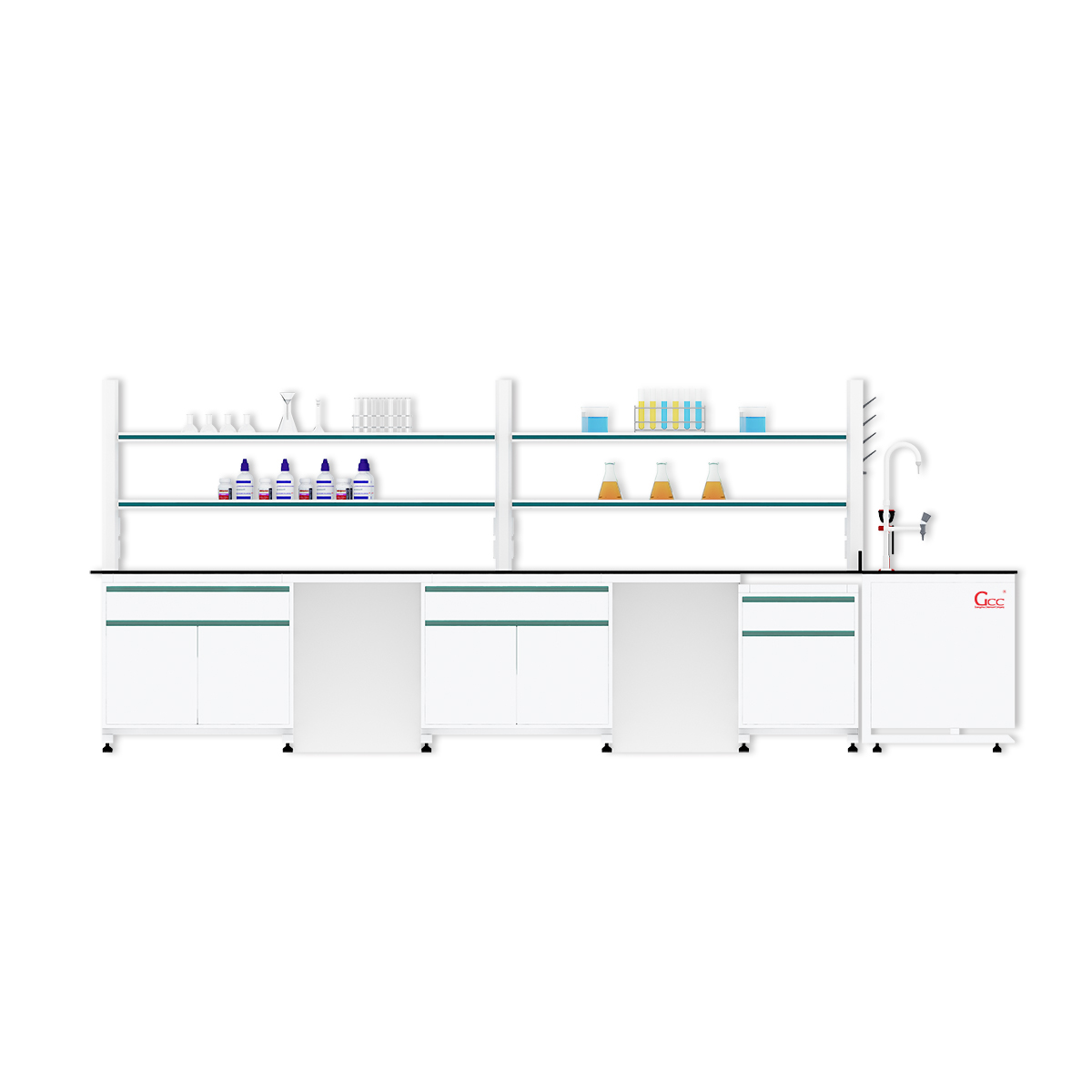
Modular lab benches, ventilated specimen storage cabinets, paraffin block cabinets, and slide drying cabinets keep your lab organized and compliant. Check GCC’s lab bench solutions and storage cabinets.
Quick Budget Guide (2026 Estimates)
| Equipment | Rough Range (USD) |
|---|---|
| Grossing Station | $3,000 – $15,000 |
| Fume Hood | $2,000 – $8,000 |
| Tissue Processor | $10,000 – $50,000 |
| Embedding Station | $5,000 – $20,000 |
| Microtome | $5,000 – $25,000 |
| Automatic Stainer | $15,000 – $60,000 |
| Coverslipper | $10,000 – $40,000 |
Final Thoughts
Every lab is different — your caseload, space, and budget will determine the right configuration. The key is to plan the workflow first, then choose equipment that fits each step.
At GCC Pathology, we supply the full range of histology lab equipment. Contact our team for a free lab layout consultation and equipment quote.