坤灵最新logo-scaled-1.png)
Pathology laboratories routinely work with hazardous chemicals such as formalin, xylene, alcohol, and paraffin, which can release volatile organic compounds (VOCs) harmful to laboratory personnel. A high-quality pathology fume hood provides effective ventilation, protects technicians from chemical exposure, and helps laboratories comply with international safety standards.
However, selecting the right pathology fume hood isn’t simply about choosing the largest cabinet or the lowest price. Different pathology workflows require different ventilation solutions, and prices vary significantly depending on materials, airflow systems, and customization options.
This guide explains the major types of pathology fume hoods, current price ranges, and practical buying tips to help hospitals, pathology laboratories, universities, and research institutes choose the right equipment.
What Is a Pathology Fume Hood?
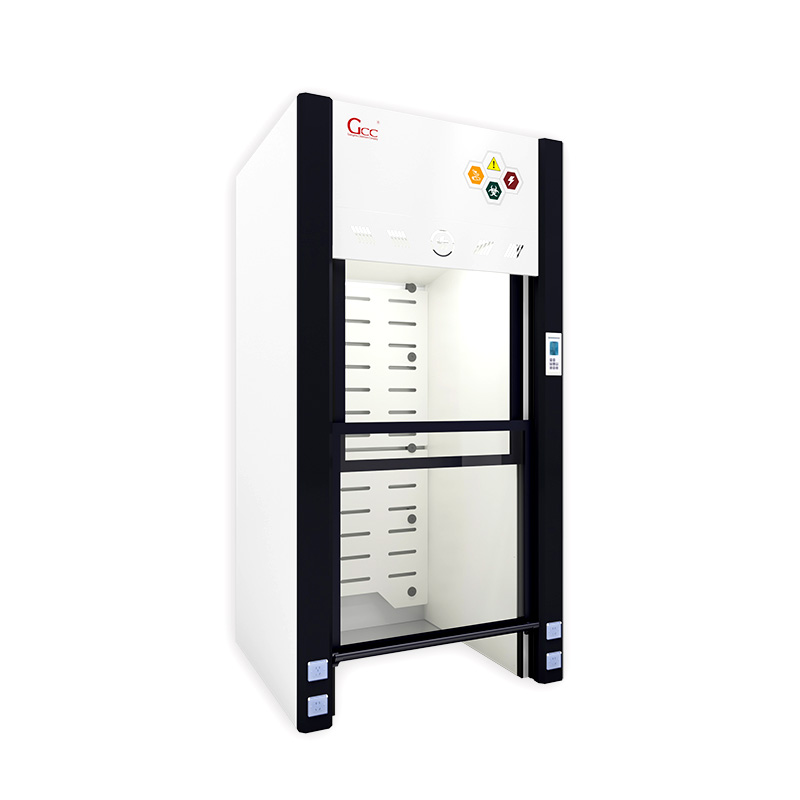
A pathology fume hood is a ventilated workstation specifically designed to capture and exhaust hazardous vapors generated during pathological specimen processing.
Unlike a standard chemistry laboratory fume hood, pathology fume hoods are optimized for workflows involving:
- Gross examination
- Tissue trimming
- Specimen fixation
- Paraffin embedding
- Tissue staining
- Tissue dehydration
- Slide preparation
Most pathology fume hoods use an external exhaust system to continuously remove formaldehyde, xylene, and other harmful vapors, maintaining a safer laboratory environment.
Typical users include:
- Hospital pathology departments
- Medical laboratories
- Diagnostic centers
- Research institutes
- Universities
- Pharmaceutical laboratories
Types of Pathology Fume Hoods
Different pathology procedures require specialized ventilation equipment. Below are the six most common types.
1. Standard Pathology Fume Hood
The standard pathology fume hood is the most versatile solution for routine specimen examination and trimming.
Best For
- General pathology laboratories
- Hospital pathology departments
- Medical colleges
Features
- External exhaust ventilation
- Stainless steel work surface
- LED lighting
- Chemical-resistant construction
- Easy cleaning
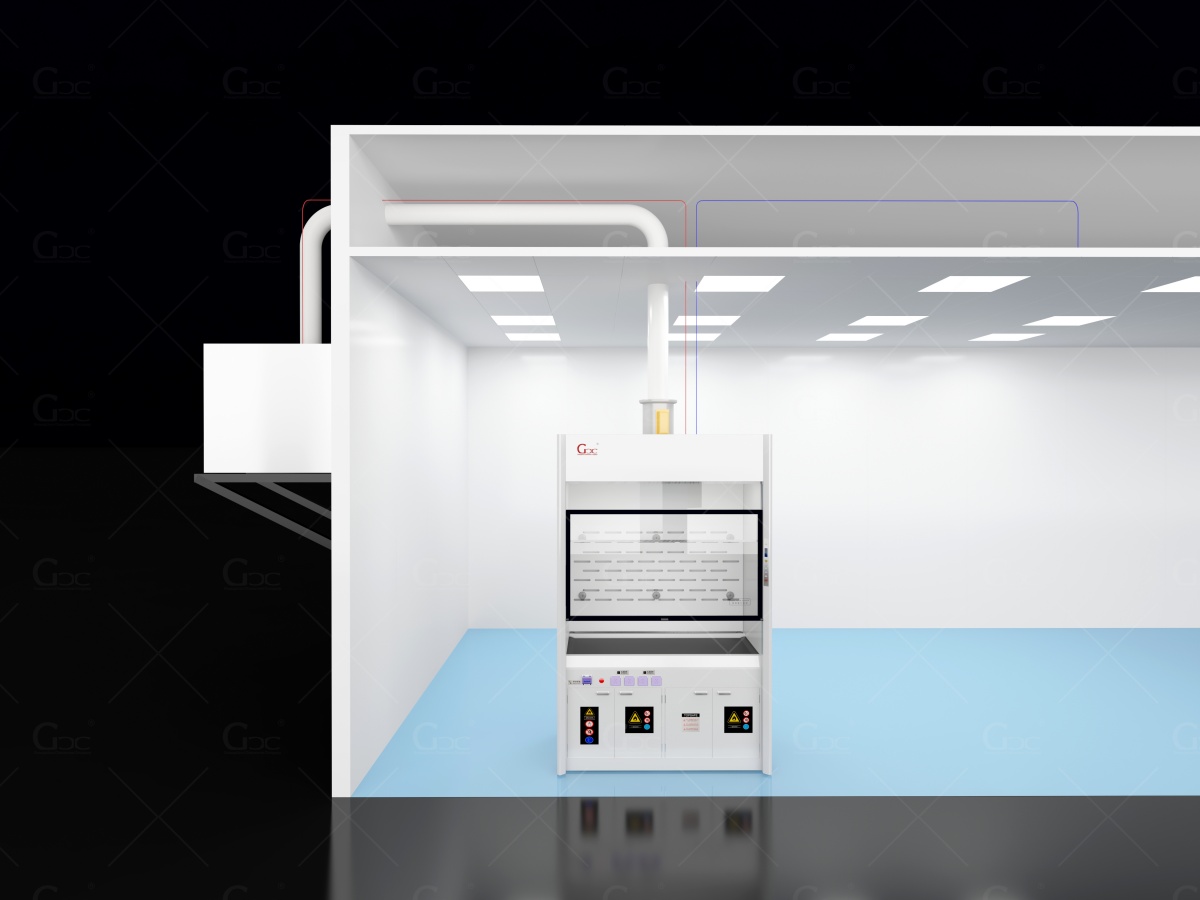
2. Laboratory Fume Hood
Laboratory fume hoods provide broader chemical protection and can be used in pathology, biology, chemistry, and pharmaceutical laboratories.
Suitable For
- Multi-functional laboratories
- Universities
- Research institutions
3. Embedding Fume Hood
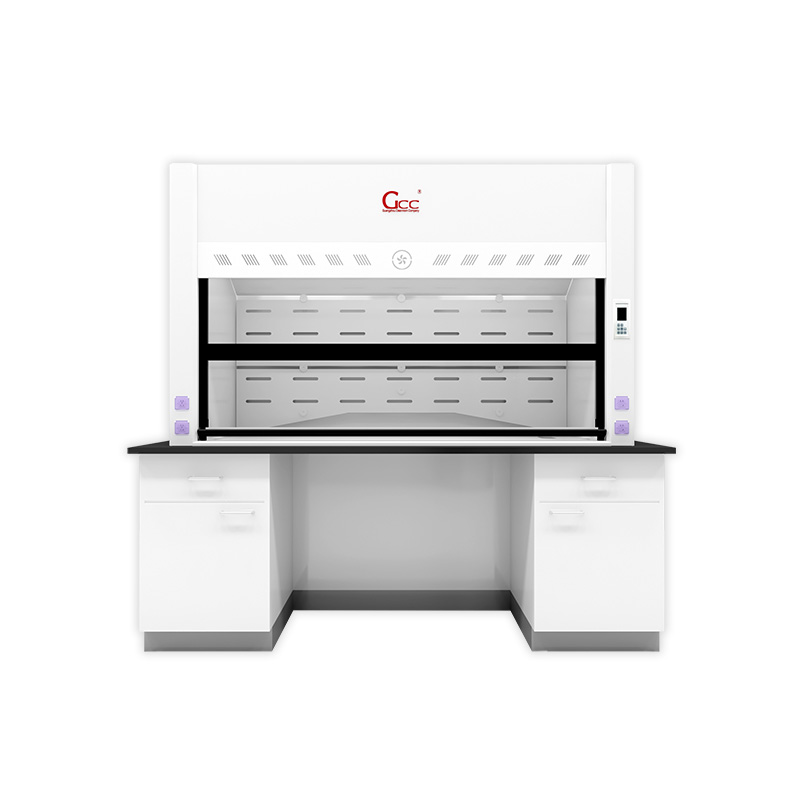
Embedding work generates paraffin fumes and heat. An embedding fume hood captures these vapors while providing an ergonomic workspace.
Advantages
- Integrated paraffin exhaust
- Stable airflow
- Bright illumination
- Easy maintenance
4. Staining and Coverslipping Fume Hood
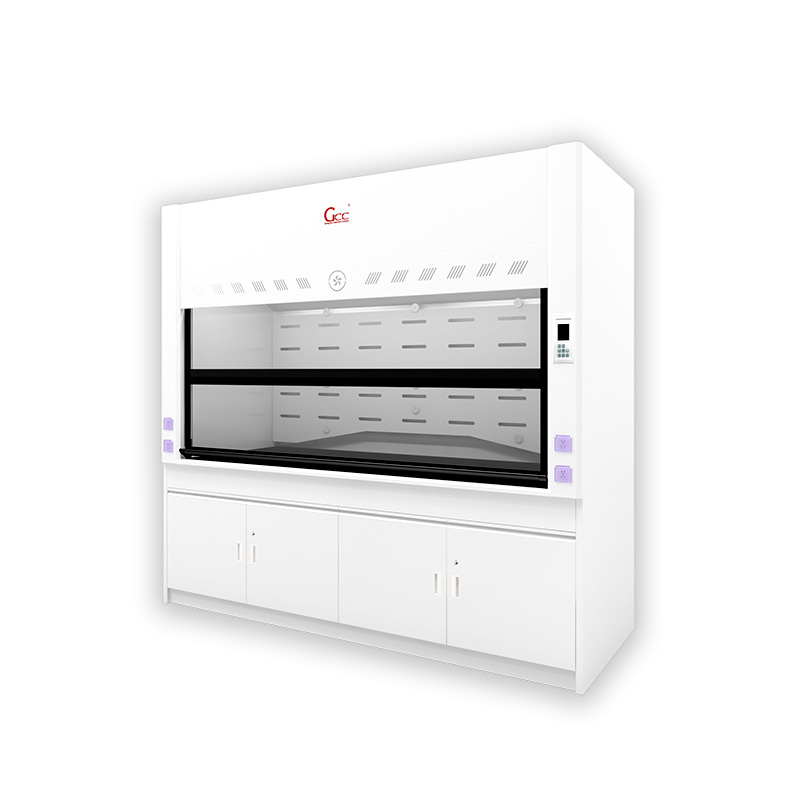
During slide staining, technicians frequently use xylene, alcohol, and other volatile solvents.
A staining fume hood minimizes exposure while maintaining a clean working environment.
Recommended For
- Histology laboratories
- Clinical pathology labs
- Diagnostic centers
5. Walk-In Fume Hood
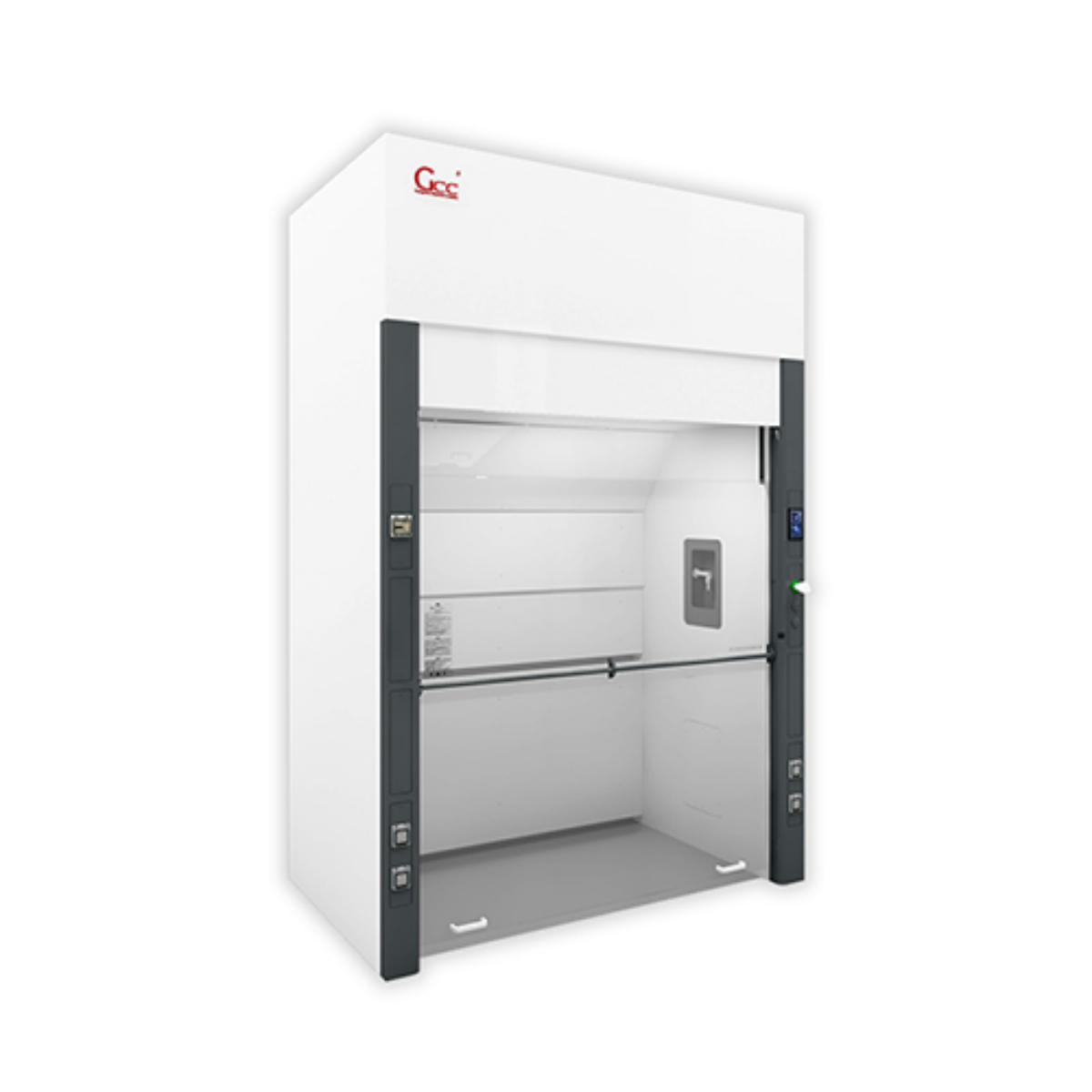
Walk-in fume hoods accommodate oversized equipment and large pathology instruments.
They are ideal for:
- Large specimen processing
- Custom laboratory equipment
- Industrial laboratories
6. Tissue Dehydration Fume Hood
Automatic tissue processors continuously release xylene and alcohol vapors during dehydration.
A dedicated tissue dehydration fume hood safely removes these emissions.
Benefits
- Continuous ventilation
- Improved laboratory safety
- Reduced chemical odors
- Better operator comfort
Pathology Fume Hood Price Guide
Prices vary depending on dimensions, material quality, ventilation configuration, and optional accessories.
| Fume Hood Type | Typical Price (USD) |
| Standard Pathology Fume Hood | $1,500–$2,500 |
| Laboratory Fume Hood | $2,000–$3,500 |
| Embedding Fume Hood | $2,800–$4,000 |
| Staining Fume Hood | $2,500–$4,200 |
| Tissue Dehydration Fume Hood | $3,000–$5,000 |
| Walk-In Fume Hood | $4,500–$6,500+ |
Prices are for reference only. Custom sizes, airflow systems, and optional accessories may affect the final quotation.
7 Factors That Affect Fume Hood Prices
1. Cabinet Material
304 stainless steel provides excellent corrosion resistance and is recommended for pathology laboratories.
2. Hood Size
Larger workstations require more material and higher airflow capacity, increasing overall cost.
Common widths include:
- 1200 mm
- 1500 mm
- 1800 mm
- 2000 mm
3. Exhaust System
External exhaust systems generally provide stronger airflow and are preferred for pathology laboratories handling formaldehyde and xylene.
4. Airflow Control
Modern digital airflow monitoring systems improve safety and operating efficiency.
5. Additional Functions
Optional features may include:
- Sink with faucet
- Water spray cleaning
- UV sterilization
- Ozone disinfection
- Automatic lighting
- Touch-screen control
- Adjustable airflow
6. Customization
OEM and customized dimensions usually increase production costs but ensure the equipment perfectly matches laboratory layouts.
7. Certifications
Equipment meeting CE, ISO, or other international quality standards generally offers higher reliability and long-term value.
How to Choose the Right Pathology Fume Hood
Before purchasing, consider the following questions.
What chemicals will be used?
- Formalin
- Xylene
- Alcohol
- Paraffin
- Other volatile solvents
What procedures are performed?
- Grossing
- Embedding
- Staining
- Tissue processing
- Histology
How much workspace is available?
Measure laboratory dimensions before selecting the hood size.
Is an external exhaust system available?
Most pathology fume hoods require ducted exhaust systems for optimal performance.
Will future expansion be needed?
Selecting a slightly larger workstation may reduce future replacement costs.
Recommended Solutions by Budget
Budget Level ($1,500–$2,500)
Recommended:
- Standard Pathology Fume Hood
Ideal for:
- Small laboratories
- Clinics
- Educational institutions
Mid-Range ($2,500–$4,000)
Recommended:
- Laboratory Fume Hood
- Embedding Fume Hood
- Staining Fume Hood
Ideal for:
- Regional hospitals
- Independent pathology laboratories
Premium ($4,000+)
Recommended:
- Walk-In Fume Hood
- Customized Pathology Ventilation Systems
Ideal for:
- Large hospitals
- National pathology centers
- Pharmaceutical companies
Maintenance Tips
Proper maintenance extends equipment life and ensures consistent airflow performance.
Daily
- Clean work surfaces
- Check airflow
- Remove specimen residues
Weekly
- Inspect exhaust ducts
- Check lighting
- Verify fan operation
Monthly
- Tighten hardware
- Inspect electrical components
- Clean drainage system
Every Six Months
- Test airflow velocity
- Calibrate monitoring systems
- Replace worn components if necessary
Why Choose GCC Pathology?
GCC Pathology specializes in manufacturing professional pathology laboratory equipment for hospitals, laboratories, universities, and distributors worldwide.
Our advantages include:
- Professional OEM & ODM manufacturing
- 304 stainless steel construction
- Custom sizes available
- Stable external exhaust systems
- Competitive factory pricing
- Fast global delivery
- Technical support and after-sales service
Whether you need a standard pathology fume hood or a fully customized ventilation solution, our engineering team can provide professional recommendations based on your laboratory layout and workflow.
Request a Free Quote
Choosing the right pathology fume hood is an investment in laboratory safety, operational efficiency, and long-term reliability.
If you’re planning a new pathology laboratory or upgrading an existing facility, GCC Pathology offers a complete range of pathology ventilation solutions tailored to your requirements.
Contact our team today to receive:
- Free product consultation
- Customized laboratory solutions
- Competitive factory pricing
- OEM/ODM support
- Fast international shipping
We look forward to helping you build a safer and more efficient pathology laboratory.