坤灵最新logo-scaled-1.png)
Introduction
Cytology, the study of cells, plays a crucial role in medical diagnostics, early cancer detection, and disease monitoring. Pathology laboratories rely on precise sample handling, preparation, and analysis to ensure accurate results. Modern pathology workstations, including grossing stations and laminar flow benches, provide a safe, ergonomic, and sterile environment for cytology procedures, improving both efficiency and reliability.
What is Cytology?
Cytology focuses on examining individual cells from tissues, body fluids, or scrapings. Unlike histology, which studies tissue architecture, cytology analyzes cell morphology to detect abnormalities, infections, or malignancies. Common cytology techniques include:
Pap smears for cervical cancer screening
Fine-needle aspiration (FNA) for tumor diagnostics
Body fluid analysis (pleural, peritoneal, cerebrospinal fluids)
Liquid-based cytology (LBC) for uniform cell preparations
Cytology is widely used in hospitals, research labs, and diagnostic centers, and requires specialized workflows to maintain sample integrity.
Pathology Workstations in Cytology
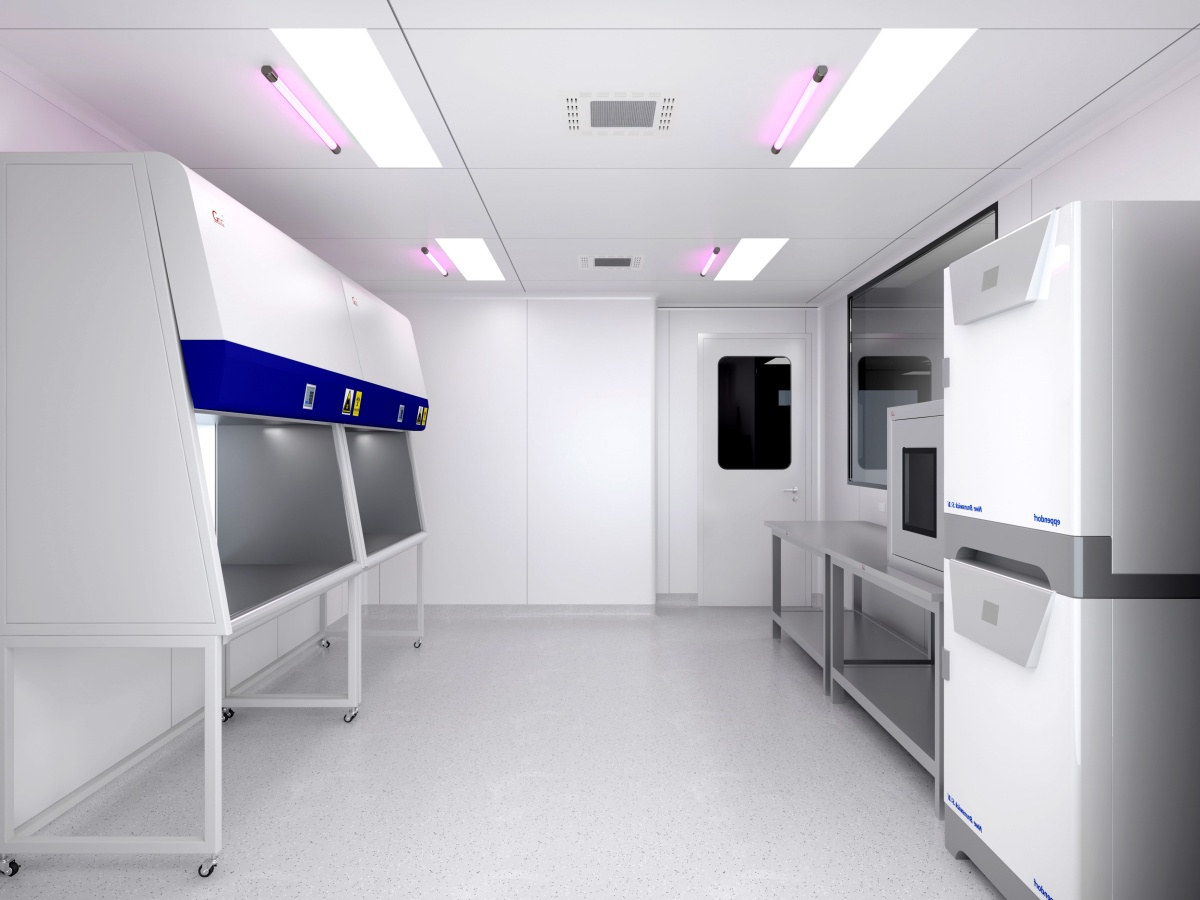
Modern cytology workflows benefit greatly from integrated pathology workstations. These workstations combine advanced materials, airflow systems, and ergonomic design to support safe and efficient sample processing. Key features include:
Ergonomic Design
Adjustable-height work surfaces for prolonged operations
Open-top or transparent protective screens for direct access
Enhanced operator comfort reduces fatigue and errors
Clean Air Systems
HEPA-filtered laminar airflow minimizes airborne contamination
UV sterilization prevents microbial growth on surfaces
Down-draft ventilation removes aerosols generated during sample handling
Integrated Functional Components
Built-in sinks and drainage for safe sample washing
Removable work surfaces for easy cleaning
Optional features: slide racks, liquid handling stations, and labeling systems
Safety and Compliance
Meets ISO 14644 cleanroom standards and GMP requirements
Non-toxic, corrosion-resistant materials prevent contamination
Supports biosafety protocols for handling infectious specimens
Cytology Workflow Supported by Workstations
A typical cytology workflow using modern pathology workstations includes:
Sample Reception and Verification
Logging, labeling, and quality check in a controlled environment
Specimen Preparation
Smear, centrifuge, or liquid-based cell preparation
Workstation airflow systems prevent cross-contamination
Staining and Slide Preparation
Automated or manual staining
Ergonomic layout allows smooth handling of slides
Microscopic Examination
Prepared slides are ready for accurate evaluation
Sterile workspace ensures no external factors affect sample quality
Disposal and Cleaning
Safe handling of biological waste
Surface disinfection and routine maintenance
Benefits of Using Pathology Workstations in Cytology
Enhanced Sample Quality: Minimized contamination ensures reliable diagnostic results
Improved Laboratory Efficiency: Ergonomic layout and integrated components speed up workflows
Operator Safety: HEPA filtration, UV sterilization, and chemical-resistant surfaces protect staff
Regulatory Compliance: Supports GMP and ISO standards for clinical and research labs
Frequently Asked Questions
What are the different types of pathology grossing stations?
Grossing stations range from basic stainless steel workstations to advanced intelligent systems with touchscreen controls, formalin filling, and real-time environmental monitoring. The main types include basic models, height-adjustable stations, and smart digital systems. Types of Grossing Stations
How do I choose the right size grossing station for my laboratory?
The right size depends on your daily specimen volume, available lab space, and whether the station will be used by one or two operators. Standard widths range from 1500mm (single person) to 2200mm (double person). Grossing Station Selection Guide
What is the price range for a pathology grossing station?
Grossing station prices vary widely based on features, size, and configuration. Basic models are more affordable, while advanced intelligent stations with formalin filling systems and touchscreen controls command a higher investment. Grossing Station Price Guide
How to clean and maintain a pathology grossing station?
Regular cleaning and maintenance are essential for safety and longevity. Daily wipe-down of work surfaces, weekly inspection of the ventilation system, and periodic calibration of the UV sterilization lamp are recommended practices. Grossing Station Maintenance Guide
What is the difference between ducted and ductless fume hoods?
Ducted fume hoods exhaust contaminated air outside the building through ductwork, ideal for high-volume chemical use. Ductless fume hoods use HEPA and activated carbon filtration to clean and recirculate air, offering flexible installation. Pathology Fume Hood Guide
Conclusion
Cytology is a cornerstone of diagnostic pathology, and modern pathology workstations significantly improve both safety and efficiency. By combining ergonomic design, advanced airflow systems, and integrated functionality, laboratories can achieve high-quality cell analysis, reduce errors, and maintain regulatory compliance.
Guangzhou Cleanroom Construction Co., Ltd. designs and manufactures pathology workstations tailored for cytology workflows. Our solutions help hospitals, research institutes, and diagnostic centers enhance operational efficiency while safeguarding sample quality and laboratory personnel.
Contact us today to learn how our pathology workstations can optimize your cytology operations.