坤灵最新logo-scaled-1.png)
Designing a pathology laboratory requires more than simply selecting equipment and allocating space. A well-planned histopathology laboratory must ensure workflow efficiency, operator safety, regulatory compliance, and future scalability.
Whether you are constructing a new pathology laboratory or upgrading an existing facility, understanding functional zoning, ventilation requirements, and equipment placement is critical for achieving optimal performance and accreditation readiness.
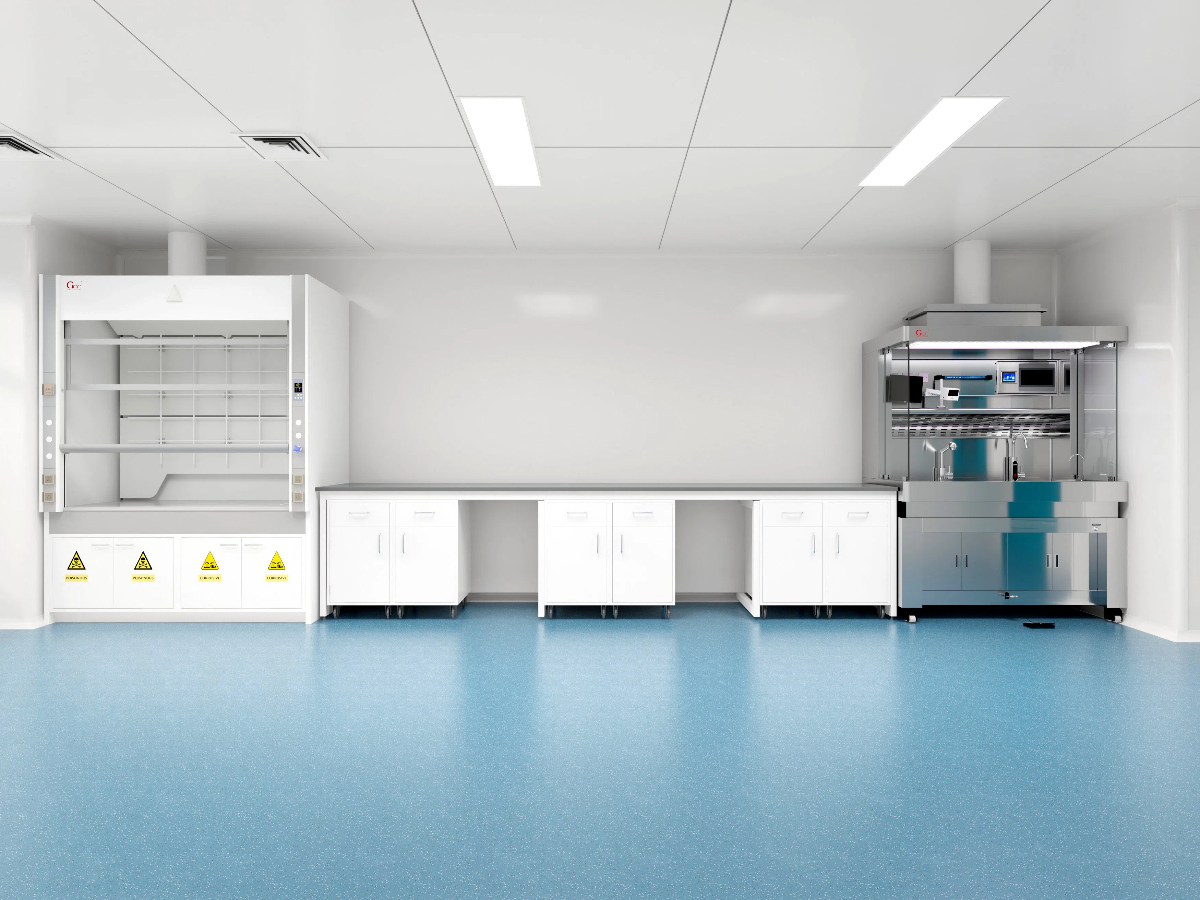
Pathology Laboratory Design Workflow
A successful pathology laboratory design should follow five key principles:
1. Functional Zoning
Different laboratory activities involve varying levels of biological and chemical risk. Work areas should be divided into clean and contaminated zones to minimize exposure and prevent cross-contamination.
2. Space Planning
Adequate space must be allocated for equipment operation, staff movement, specimen handling, and future expansion. Insufficient space often leads to workflow bottlenecks and safety concerns.
3. Unidirectional Workflow
Specimens should move through the laboratory in a single direction, from receipt and grossing through processing, embedding, sectioning, staining, diagnosis, and archiving.
4. Ventilation and Airflow Control
Proper air exchange rates (ACH), pressure differentials, and exhaust systems are essential for controlling formalin, xylene, and other hazardous chemical vapors.
5. Compliance and Accreditation
Laboratory design should support compliance with standards such as ISO 15189, CAP Accreditation, JCI requirements, OSHA regulations, and local healthcare authorities.
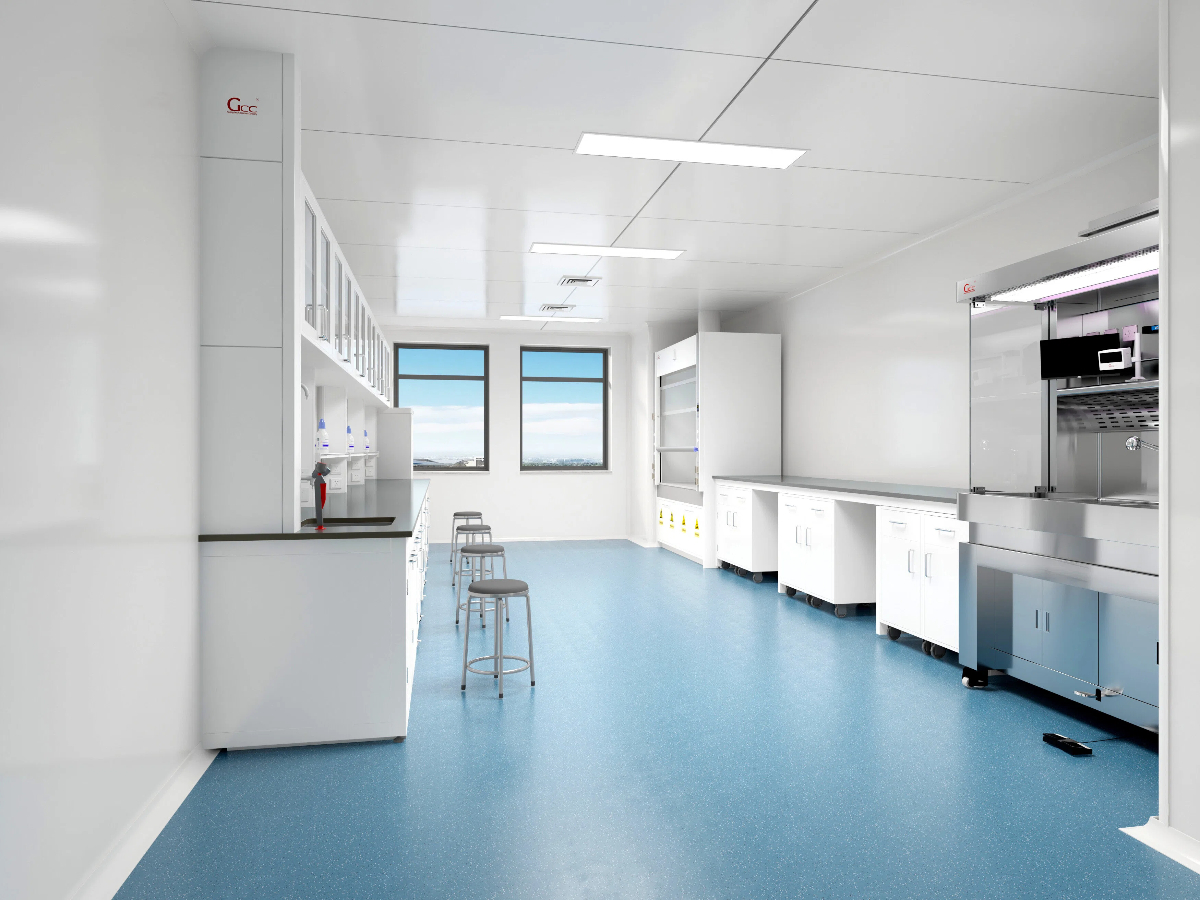
Six Essential Functional Zones in a Histopathology Laboratory
1. Grossing Zone
The grossing area is considered one of the highest-risk locations within the pathology laboratory due to exposure to fresh tissue specimens and formaldehyde vapors.
Design Requirements
- Recommended area: 12–20 m²
- Negative pressure environment
- Dedicated exhaust system
- Minimum ventilation rate: 10 ACH
- Emergency eyewash and safety shower
- Stainless steel grossing workstation with splash protection
2. Tissue Processing Zone
This area houses automatic tissue processors and chemical storage systems.
Design Requirements
- Recommended area: 10–15 m²
- Separate exhaust system
- Explosion-proof electrical design
- Antistatic flooring
- Dedicated flammable chemical storage cabinets
- Minimum ventilation rate: 10 ACH
3. Embedding and Microtomy Zone
This zone is responsible for paraffin embedding and tissue sectioning.
Design Requirements
- Recommended area: 12–18 m²
- Controlled temperature: 20 ± 2°C
- Relative humidity: 50 ± 10%
- Ventilation: 6–8 ACH
- Anti-vibration benches or flooring
- Bench depth of at least 750 mm
4. Staining Zone
The staining laboratory frequently handles xylene, alcohol, and other volatile chemicals.
Design Requirements
- Recommended area: 10–16 m²
- Ventilation rate: ≥10 ACH
- Chemical fume hood with face velocity ≥0.5 m/s
- Dedicated waste liquid collection system
- Local exhaust ventilation for automated coverslippers
5. Microscopy and Reporting Zone
This area supports pathologists during slide review and diagnosis.
Design Requirements
- Minimum workstation area: 6 m² per pathologist
- Ventilation rate: 4–6 ACH
- Adjustable lighting systems
- Anti-glare workstation design
- LIS workstation network and power infrastructure
- Physical separation from grossing activities
6. Archive and Support Zone
This section stores paraffin blocks, glass slides, and pathology records.
Design Requirements
- Paraffin block storage temperature below 25°C
- Dust-proof and moisture-resistant slide cabinets
- Ventilation rate: 4–6 ACH
- At least 30% reserved space for future expansion
- Corridor width of at least 1.5 meters for trolley movement
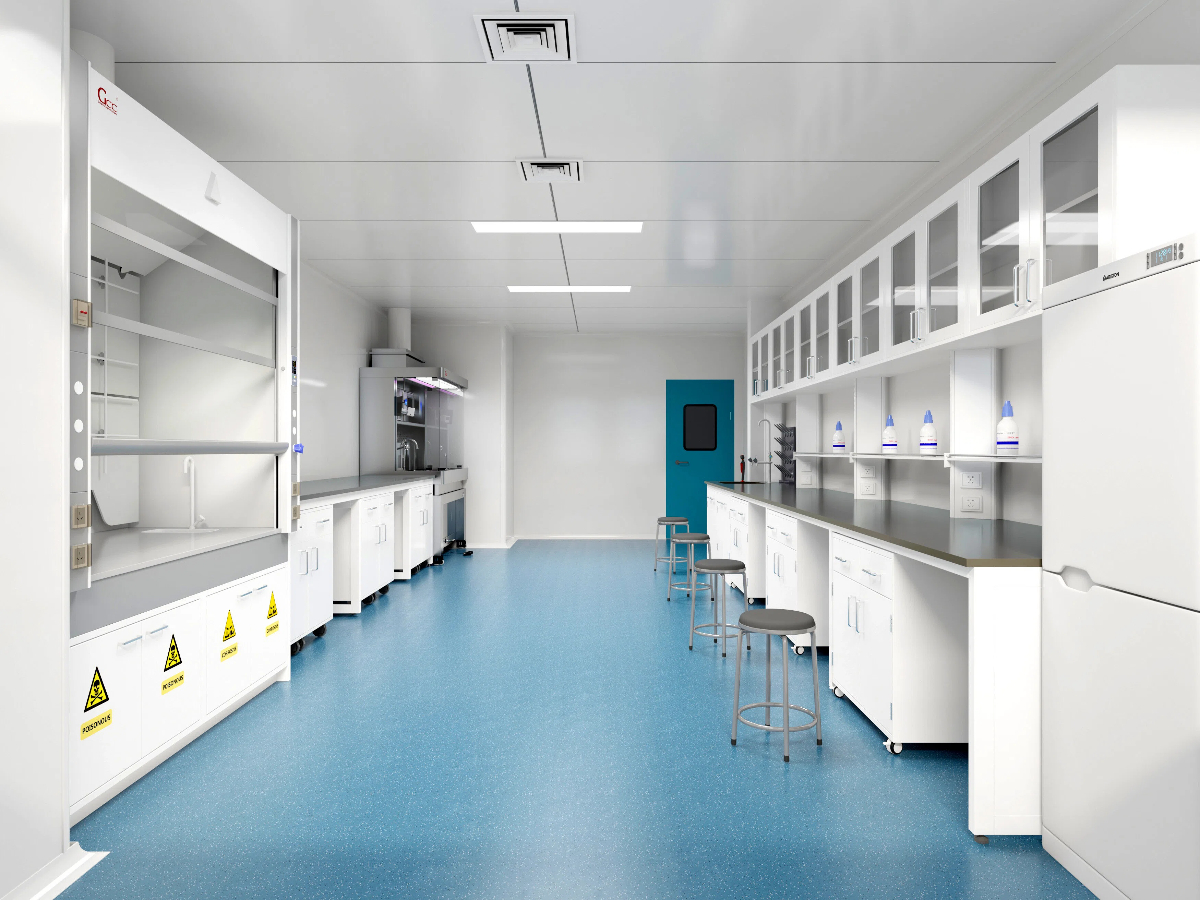
Recommended Ventilation Requirements
| Laboratory Zone | Air Changes per Hour (ACH) | Pressure Requirement | Exhaust Strategy |
|---|---|---|---|
| Grossing Area | ≥10 ACH | Negative Pressure | Direct exhaust with carbon filtration |
| Tissue Processing | ≥10 ACH | Negative Pressure | Explosion-proof exhaust system |
| Embedding & Microtomy | 6–8 ACH | Neutral | Recirculation permitted when no solvents are used |
| Staining Area | ≥10 ACH | Negative Pressure | Local fume hood plus general exhaust |
| Microscopy & Reporting | 4–6 ACH | Positive or Neutral | Standard HVAC recirculation |
| Archive & Support | 4–6 ACH | Neutral | Temperature and humidity controlled HVAC |
Laboratory Design Compliance Checklist
Building and Layout
- Unidirectional specimen workflow
- Physical separation of clean and contaminated areas
- Seamless chemical-resistant epoxy flooring
- Washable antimicrobial wall finishes
- Door widths of at least 900 mm
HVAC and Ventilation
- Dedicated exhaust systems for contaminated areas
- Backup exhaust fans for critical operations
- Differential pressure monitoring and alarms
- Exhaust discharge points at least 1.5 m above roof level
- Annual verification of airflow and ACH performance
Safety and Waste Management
- Secondary containment for hazardous chemicals
- Conveniently located sharps disposal containers
- Segregated infectious waste collection
- Neutralization of chemical waste before discharge
- Fire detection and sprinkler protection systems
Utilities and Information Technology
- Dedicated electrical circuits for major instruments
- UPS protection for cryostats and LIS servers
- Hot and cold water supply to grossing stations
- Minimum two network ports per workstation
- CCTV coverage of critical laboratory areas
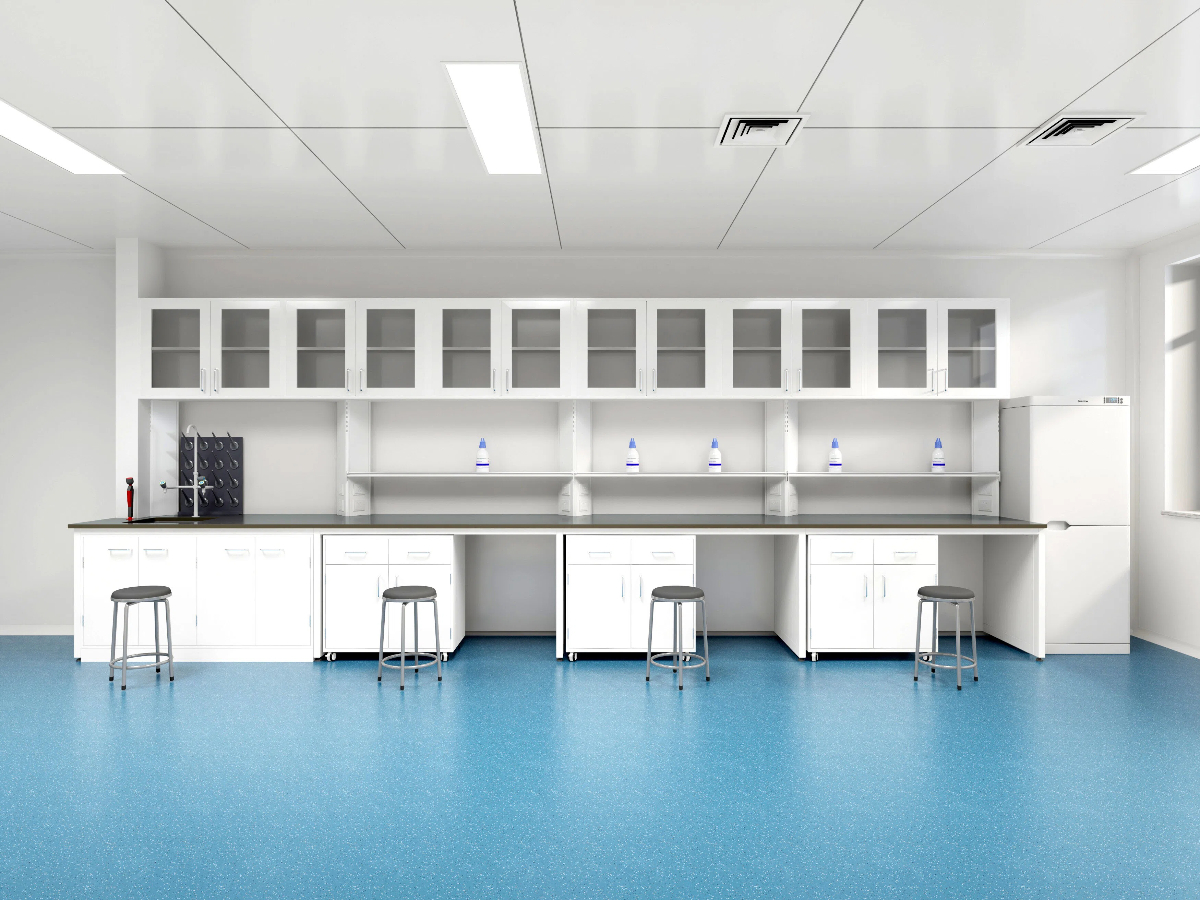
Recommended Laboratory Area Allocation
For a medium-volume histopathology laboratory processing approximately 100 cases per day:
| Functional Zone | Recommended Area |
| Grossing Zone | 15–20 m² |
| Tissue Processing Zone | 12–16 m² |
| Embedding & Microtomy | 13–18 m² |
| Staining Zone | 10–15 m² |
| Microscopy & Reporting | 16–24 m² |
| Archive & Support | 10–14 m² |
These figures represent net usable laboratory space and exclude corridors, utility rooms, and structural elements. Laboratories should reserve an additional 20–30% capacity for future growth.
Frequently Asked Questions
What are the latest trends in pathology laboratory equipment?
Key trends include digital pathology integration, IoT-enabled smart equipment, automated tissue processing, ergonomic workstation design, and energy-efficient ventilation systems. Pathology Equipment Trends
How is digitalization changing pathology laboratories?
Digital pathology is transforming labs through smart grossing stations with imaging systems, LIS integration, automated data recording, and remote diagnostic capabilities. Smart Pathology Workstations
What equipment is needed for a hospital pathology lab?
Hospital pathology labs require grossing stations, tissue processors, embedding stations, microtomes, fume hoods, biosafety cabinets, staining systems, and microscopes based on their diagnostic scope. Hospital Pathology Lab Solutions
Conclusion
An efficient pathology laboratory design improves diagnostic quality, enhances staff safety, supports accreditation requirements, and increases operational efficiency. By carefully planning functional zones, ventilation systems, workflow direction, and equipment placement, healthcare facilities can create a pathology laboratory that meets both current operational needs and future expansion requirements.
If you are planning a new pathology laboratory or upgrading an existing facility, early consideration of space planning, ventilation engineering, and equipment integration will significantly reduce long-term operating challenges and renovation costs.