坤灵最新logo-scaled-1.png)
The landscape of oncology diagnostics has shifted fundamentally toward personalized medicine. Modern oncology and molecular pathology laboratories are no longer just slicing tissue blocks; they are extracting genomic materials, conducting Next-Generation Sequencing (NGS), and performing Fluorescence In Situ Hybridization (FISH).
For hospital executives, laboratory directors, and EPC contractors, setting up a new oncology lab is an intricate engineering challenge. Because molecular assays are hypersensitive to cross-contamination, the entire facility must balance strict biosafety containment with a linear, uni-directional molecular lab setup and workflow.
This comprehensive buying and molecular laboratory design guide outlines the structural, ventilation, and hardware specifications required to build a compliant, high-throughput oncology diagnostics core.
1. Architectural Zoning: The Uni-Directional Workflow Principle
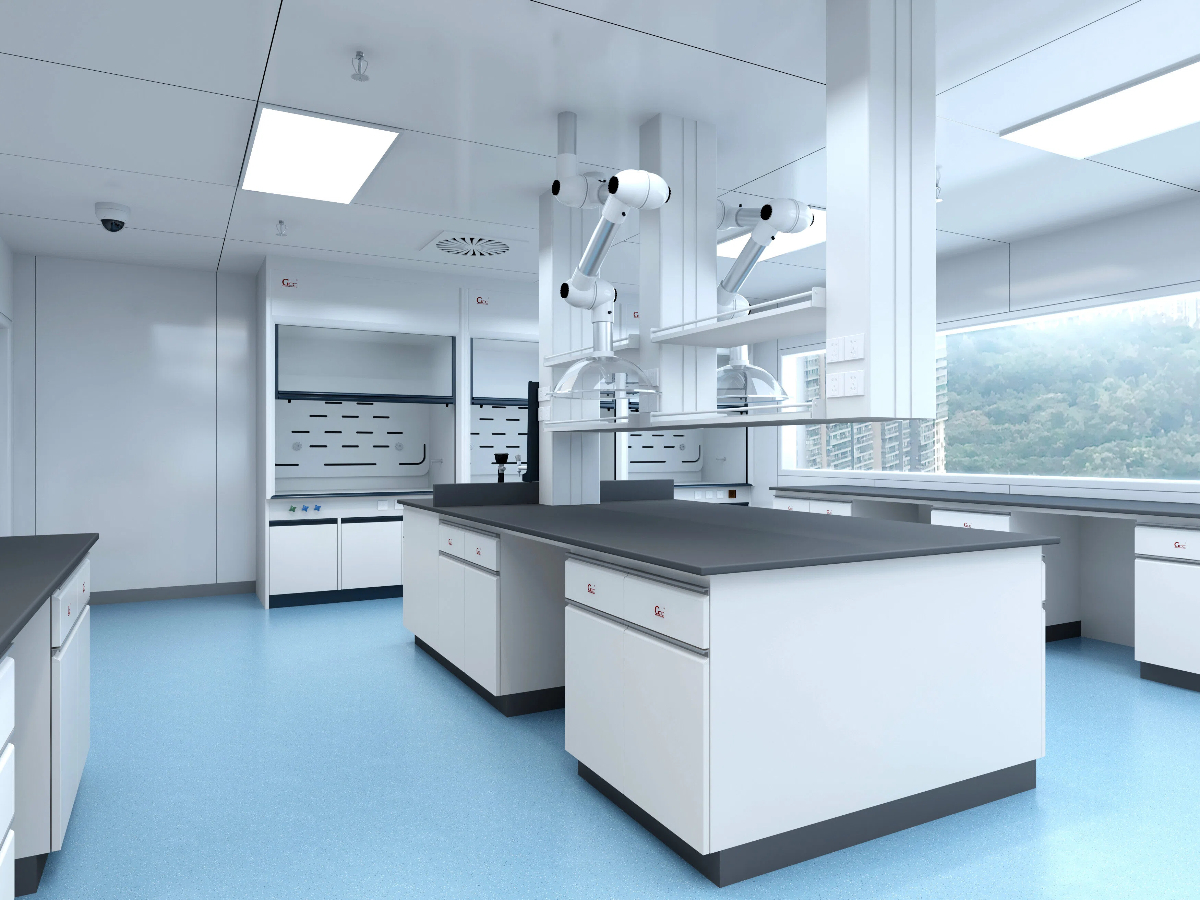
Before procuring a single asset, the foundational molecular laboratory design must enforce a strict, irreversible, uni-directional workflow. This structural zoning is non-negotiable for preventing PCR amplicons from contaminating pre-amplification clean zones.
The blueprint must separate the facility into at least four distinct, pressure-controlled zones:
Reagent Preparation Room (Positive Pressure): Cleanest zone; keeps ambient contaminants out.
Specimen Preparation Room (Negative Pressure): Where DNA/RNA extraction occurs; protects the user and sample.
Amplification (PCR) Room (Negative Pressure): Where thermocycling occurs.
Post-Amplification / Product Analysis Room (Strict Negative Pressure): Contains the highest concentration of amplified genetic material.
2. High-Containment Grossing Infrastructure: The Genesis of Molecular Quality
The validity of downstream molecular oncology testing depends entirely on the pre-analytical phase. If an archive tissue specimen is cross-contaminated or degraded during macro-description, the subsequent NGS sequencing data will be fundamentally flawed.
Material Purity Requirements: Standard workstations fail under the aggressive chemical regimens required to destroy environmental nucleases (DNase/RNase). In an oncology core, the Pathology Grossing Station must be engineered entirely from premium, heavy-gauge 316-grade stainless steel. 316 steel allows technicians to wash down the deck with high-concentration sodium hypochlorite and specialized DNA decontaminating agents daily without inducing micro-pitting or structural rust.
Airflow Isolation: The grossing table must feature a dual-ventilation architecture—simultaneous high-velocity downdraft and backdraft extraction—ensuring a constant face velocity of 0.40 m/s to 0.50 m/s. This contains hazardous formalin fumes and airborne tissue micro-fragments within the collection plenum, preventing cross-specimen contamination.
3. Pre-Analytical Processing & Sectioning Checklist
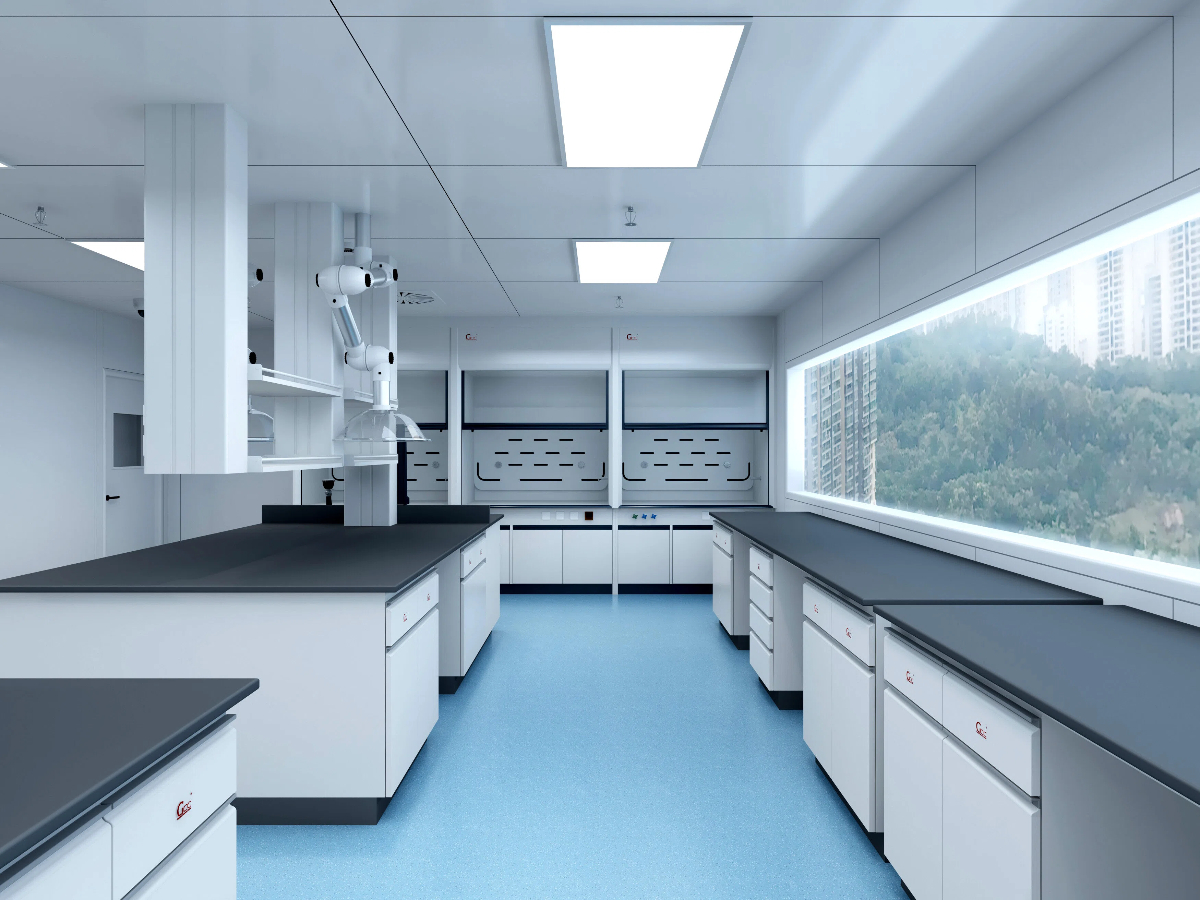
Once tissue is fixed, it must be processed and ribboned with zero mechanical or thermal artifacts. Your core capital hardware checklist must include:
Enclosed Vacuum Tissue Processors: Open processing systems expose specimens to ambient moisture and temperature fluctuations, degrading delicate RNA chains. An enclosed tissue processor utilizing programmable vacuum-and-pressure cycles ensures complete, gentle paraffin infiltration, preserving molecular integrity for downstream extraction.
Fully Automatic Rotary Microtomes: Slicing tumor biopsies down to $2\ \mu\text{m} – 4\ \mu\text{m}$ for FISH or micro-dissection requires sub-micron mechanical stability. Motorized cutting strokes absorb ambient structural vibrations, guaranteeing perfectly uniform sections.
Decontamination Station For Consumables: A dedicated space for organizing your histology consumables checklist for pathology labs—including charged micro-slides, specialized biopsy cassettes, ultra-pure paraffin wax, and microtome disposable blades—ensuring they are stored in a dust-free, temperature-controlled environment.
4. Selecting the Right Integration Supplier: The Turnover Trap
The most common failure point in modern laboratory construction is fragmented procurement. Buying standalone equipment from five different medical device brokers often results in a mismatched facility where the HVAC system cannot cope with the exhaust loads of the machinery, causing failed building handovers.
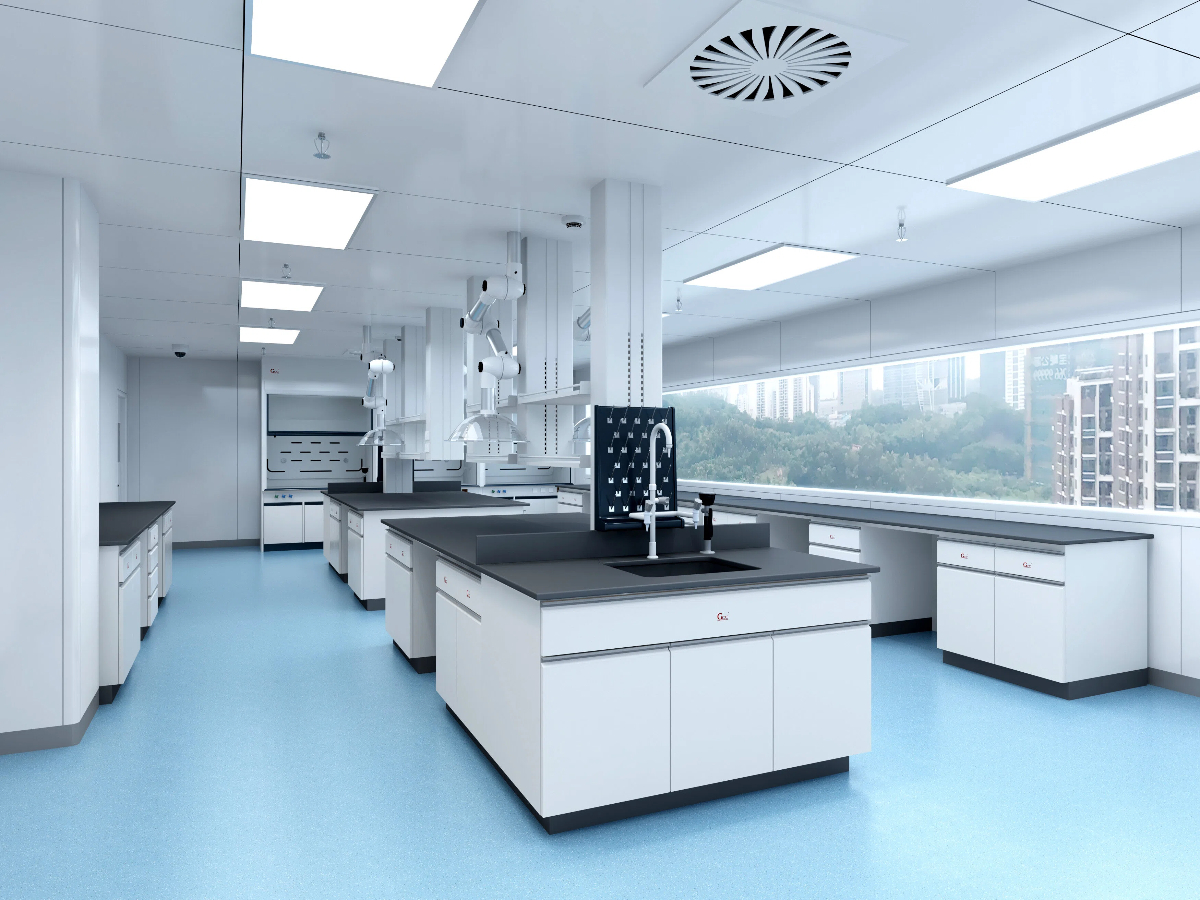
When evaluating a partner for turnkey lab integration, demand a supplier that bridges the gap between hardware supply and cleanroom (HVAC) engineering:
MEP Alignment: Your vendor must provide comprehensive CAD, Revit, and BIM submittal drawings that specify exact water supply, electrical drops, and chemical drainage rough-ins before construction begins.
BMS Interfacing: Workstations and high-containment fume hoods must interface seamlessly with the Building Management System (BMS) to dynamically balance the facility’s complex pressure gradients ($+15\text{ Pa}$ down to $-15\text{ Pa}$).
��️ The Turnkey Capital Equipment Buying Checklist
| Diagnostic Hub | Essential Capital Asset | Critical Engineering Specification |
| Macro-Description | Pathology Grossing Station | 316 Stainless Steel, Motorized Lift, Face Velocity $\ge 0.40\text{ m/s}$ |
| Tissue Infiltration | Enclosed Tissue Processor | Sealed retort, programmable vacuum/pressure loops, active VOC filtration |
| Micro-Sectioning | Fully Automatic Microtome | Motorized feed, heavy cast-iron base, micro-dissection adjustment |
| Chemical Safety | Laboratory Fume Hood | ASHRAE 110 certified air containment, chemical-resistant liner |
| Support Systems | Modular Laboratory Benches | Heavy-duty steel chassis, seamless anti-microbial worktops |
The GCC Advantage: Engineering Molecular Integrity
At GCC, we do not view oncology diagnostics as a series of isolated machinery purchases. We approach molecular lab setups from a perspective of absolute biological containment and turnkey value engineering.
From heavy-duty, vibration-dampening Laboratory Benches and certified Fume Hoods to completely customized pathology workstations, our international project engineering teams design and manufacture integrated ecosystems. We ensure your facility satisfies stringent international laboratory accreditation guidelines on day one, safeguarding both your staff and your clinical data.
Frequently Asked Questions
What equipment is needed for a hospital pathology lab?
Hospital pathology labs require grossing stations, tissue processors, embedding stations, microtomes, fume hoods, biosafety cabinets, staining systems, and microscopes based on their diagnostic scope. Hospital Pathology Lab Solutions
How to set up an independent pathology laboratory?
Setting up an independent lab requires proper facility planning, equipment selection, regulatory compliance, quality management systems, and qualified personnel. GCC Pathology offers turnkey solutions. Independent Lab Solutions
�� Request a Turnkey Laboratory Blueprint & Equipment Submittal
Are you currently writing procurement specifications, bidding an oncology center project, or designing a new molecular diagnostics core? Contact GCC’s international project lead, Victor, to receive comprehensive technical data sheets, compliance submittals, and a complimentary initial CAD laboratory layout design.
Explore Our Turnkey Pathology Portfolio: www.gccpathology.com
Direct Project RFQ & Procurement Support (Email):Victor@gccpathology.com
Instant B2B Project Consultation (WhatsApp): +86 18148635992