坤灵最新logo-scaled-1.png)
I. Introduction
An Automatic Tissue Processor plays a vital role in modern pathology laboratories. It automates the complex process of tissue fixation, dehydration, clearing, and paraffin infiltration — ensuring consistency, precision, and efficiency across every specimen.
By eliminating manual handling and human variability, automatic tissue processors enhance diagnostic accuracy and improve laboratory throughput, making them an essential investment for histopathology departments, hospitals, and research institutions.
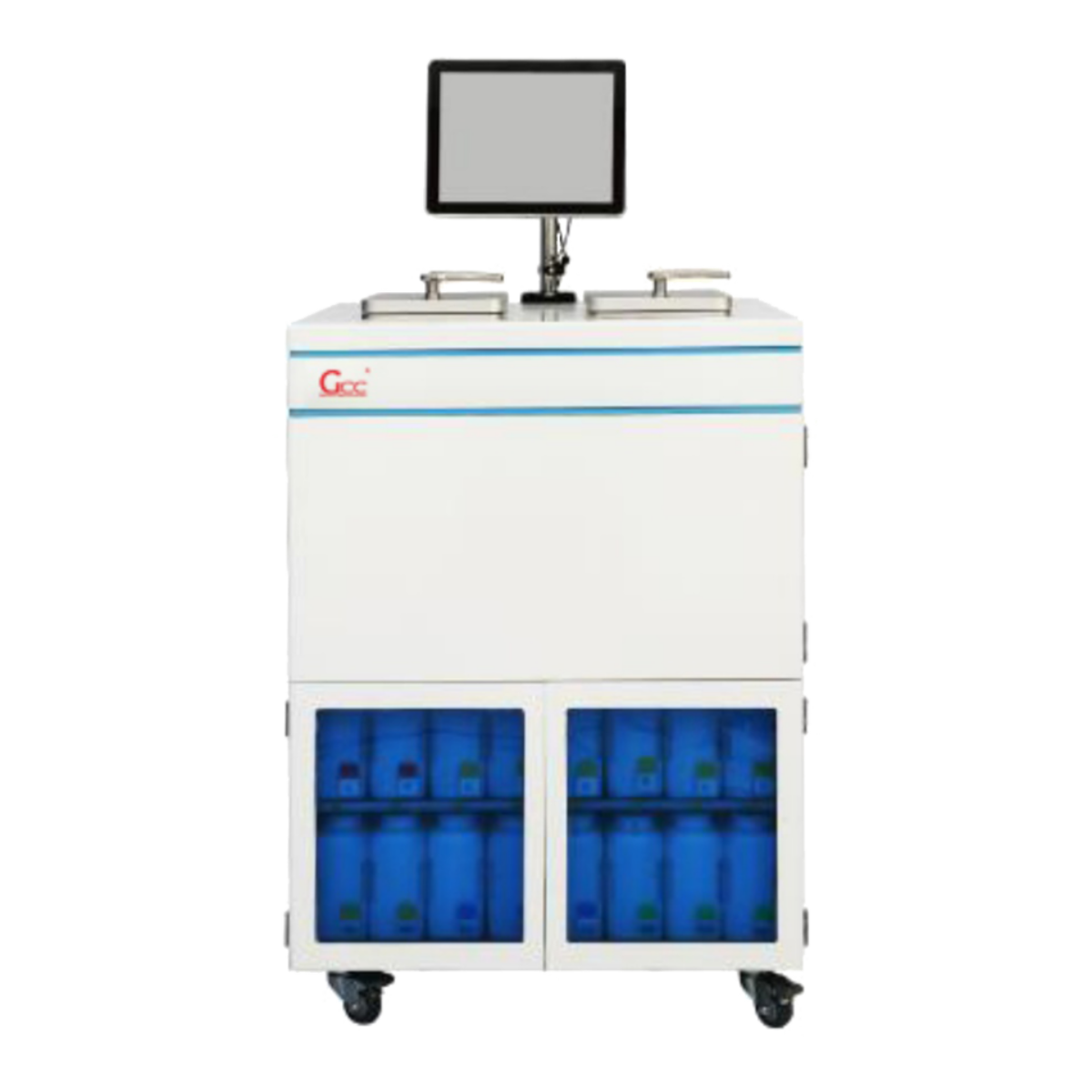
II. How an Automatic Tissue Processor Works
Automatic tissue processors perform a series of chemical treatments on biological tissue samples before embedding them in paraffin. The process typically follows these key stages:
Fixation – The processor immerses tissues in fixatives such as formalin to preserve cellular details.
Dehydration – It then transfers the samples through graded alcohol solutions to remove water.
Clearing – The tissues are cleared with xylene or similar agents to remove alcohol and prepare them for paraffin infiltration.
Infiltration – Finally, melted paraffin wax penetrates the tissues, making them ready for embedding and sectioning.
Through precise timing, temperature control, and agitation, the automatic tissue processor ensures uniform reagent exposure and reproducible results every time.
III. Key Features and Benefits
Modern automatic tissue processors integrate intelligent control systems and user-friendly interfaces that elevate laboratory efficiency.
1. Consistent Quality
Automated processing eliminates human error and variation, ensuring consistent tissue morphology and staining results.
2. Time Efficiency
The system processes multiple cassettes simultaneously, allowing laboratories to handle higher sample volumes and shorten turnaround times.
3. Safety & Reliability
Closed-system designs reduce exposure to toxic reagents like xylene and formalin, protecting laboratory personnel and the environment.
4. Cost-Effectiveness
Automation reduces reagent waste and labor costs, offering long-term operational savings.
5. Easy Operation & Monitoring
Touchscreen interfaces, programmable cycles, and error alarms simplify workflow management and enhance user confidence.
IV. Applications in Pathology & Histology
Automatic tissue processors support a wide range of pathology applications, including:
Histopathology Laboratories: Routine tissue diagnosis and biopsy processing.
Research Institutes: Sample preparation for experimental studies.
Hospitals: Continuous high-volume specimen processing in surgical pathology departments.
Pharmaceutical & Biotech Labs: Pre-clinical and toxicological tissue evaluations.
By ensuring reproducible sample preparation, these systems strengthen diagnostic accuracy and research reliability.
V. How to Choose the Right Automatic Tissue Processor
When selecting a tissue processor, laboratories should evaluate the following factors:
| Factor | Recommendation |
| Processing Capacity | Choose models that match your daily sample volume (e.g., 100–300 cassettes). |
| Automation Level | Select fully automated systems with programmable protocols and backup recovery features. |
| Reagent Management | Look for intelligent reagent tracking and automatic bottle rotation for optimal efficiency. |
| Temperature Control | Ensure precise temperature regulation for consistent paraffin infiltration. |
| Maintenance & Support | Partner with a supplier that provides comprehensive technical support and ISO-certified service. |
A reliable manufacturer will not only supply quality equipment but also provide training, validation, and long-term service support.
VI. Maintenance and Best Practices
To maximize performance and lifespan, laboratories should adopt routine maintenance schedules:
Clean the retort and reagent containers daily to prevent contamination.
Replace reagents according to usage cycles and laboratory protocols.
Calibrate sensors and temperature controllers regularly.
Keep detailed maintenance logs for quality audits and GMP compliance.
By maintaining the processor properly, laboratories preserve tissue integrity and ensure accurate diagnostic outcomes.
VII. Conclusion
An Automatic Tissue Processor empowers pathology laboratories to achieve precision, speed, and consistency in tissue preparation. By automating key steps, it minimizes manual errors, enhances reproducibility, and optimizes laboratory productivity.
Whether your facility is upgrading from manual processing or expanding to handle higher specimen volumes, investing in a reliable automatic tissue processor will elevate your diagnostic quality and operational efficiency.
Upgrade Your Pathology Workflow with GCC Pathology’s Advanced Automatic Tissue Processor.
Our intelligent tissue processing systems deliver reliability, consistency, and safety — tailored to your laboratory’s needs.
Contact us today to discuss your project or request a customized quote.