坤灵最新logo-scaled-1.png)
Looking for an automatic tissue processor for your histology laboratory? This buying guide compares features, capacity, automation levels, and pricing to help pathology labs choose the right tissue processor in 2026.
Introduction
In every histology laboratory, tissue processing is one of the most critical steps affecting specimen quality, turnaround time, and diagnostic accuracy. Whether a laboratory handles 20 cassettes per day or several hundred, choosing the right automatic tissue processor directly impacts workflow efficiency and operating costs.
Over the past decade, tissue processors have evolved far beyond basic reagent transfer systems. Today, fully automated tissue processors offer intelligent programming, vacuum and pressure infiltration, touchscreen operation, remote monitoring, reagent management systems, and large-capacity processing chambers designed for high-throughput pathology laboratories.
However, for laboratory managers and procurement teams, the challenge is determining which features are truly necessary and how much they should expect to pay.
Therefore, this guide explains tissue processor pricing, compares major feature categories, and helps histology laboratories select the right system based on workload, laboratory requirements, and budget.
What Is an Automatic Tissue Processor?
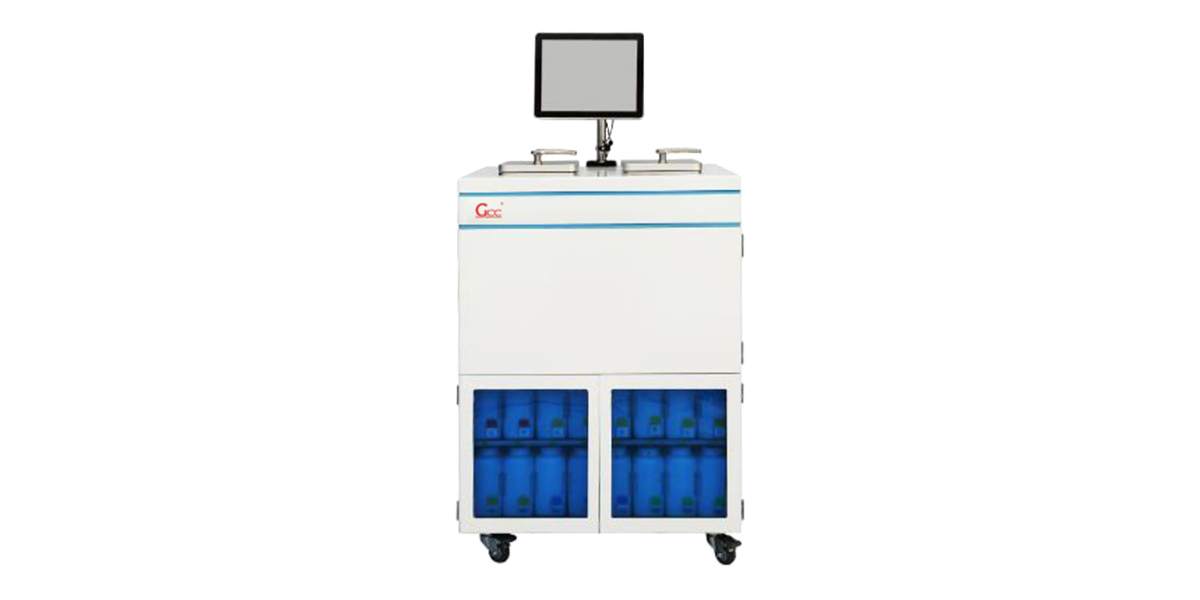
An automatic tissue processor is a laboratory instrument used to prepare biological tissue specimens for paraffin embedding and microscopic examination.
By automating multiple preparation stages, the processor helps laboratories achieve greater consistency and efficiency. As a result, technicians can reduce manual handling while improving specimen quality.
The processor automatically performs the sequential steps required for tissue preparation:
- Fixation
- Dehydration
- Clearing
- Paraffin Infiltration
Consequently, tissue samples are prepared in a standardized manner before embedding and sectioning. Furthermore, automated processing allows laboratories to run large specimen batches overnight, improving workflow efficiency and reducing turnaround times.
Modern histology automatic tissue processors are commonly used in:
- Hospital pathology laboratories
- University medical schools
- Research institutes
- Veterinary pathology laboratories
- Diagnostic centres
How Much Does an Automatic Tissue Processor Cost in 2026?
Pricing varies significantly depending on processing capacity, automation level, and technology platform. Therefore, understanding market pricing can help laboratories establish realistic procurement budgets.
| Configuration Type | Typical Price (USD) | Suitable For |
|---|---|---|
| Entry-Level Automatic Processor | $6,000–$12,000 | Small pathology labs |
| Standard Vacuum Tissue Processor | $13,000–$25,000 | Hospital histology laboratories |
| High-Capacity Automated Processor | $26,000–$45,000 | Busy pathology departments |
| Premium Fully Automated Processor | $46,000–$90,000+ | University hospitals and reference laboratories |
Prices generally exclude:
- Freight
- Installation
- Commissioning
- Import duties
- Local taxes
As a result, international buyers should budget an additional 15–30% for total landed cost.
What Features Affect Tissue Processor Price?
Several technical features have a direct impact on purchase cost. However, laboratories should evaluate these features based on operational requirements rather than focusing on price alone.
1. Processing Capacity
Capacity is one of the largest factors affecting tissue processor pricing. In general, higher-capacity systems require larger reagent reservoirs, stronger vacuum systems, and more advanced software controls.
| Capacity | Typical Application |
|---|---|
| 100–150 cassettes | Small laboratories |
| 200–300 cassettes | Medium-volume hospitals |
| 400–500 cassettes | Busy pathology departments |
| 500+ cassettes | High-throughput reference laboratories |
For example, a laboratory processing hundreds of specimens each week will benefit from a larger-capacity processor. As a result, workflow interruptions can be minimized while productivity remains stable.
2. Vacuum and Pressure Technology
Basic tissue processors rely primarily on diffusion for reagent penetration. However, advanced systems use vacuum infiltration, pressure infiltration, or combined vacuum-pressure cycles.
As a result, tissues can be processed more efficiently while maintaining excellent specimen quality. Furthermore, improved paraffin penetration often leads to better sectioning performance and staining consistency.
Key benefits include:
- Faster processing
- Better paraffin penetration
- Improved tissue preservation
Consequently, laboratories with demanding workloads often prefer vacuum-assisted systems.
3. Reagent Management System
Modern tissue processors increasingly include intelligent reagent management systems. In addition, many premium models provide:
- Automatic reagent rotation
- Reagent quality monitoring
- Reagent life tracking
- Intelligent scheduling
Consequently, laboratories can reduce reagent waste while maintaining more consistent processing results. Moreover, improved reagent control can contribute to lower operating costs over time.
4. Touchscreen Control Interface
Today’s tissue processors commonly feature large touchscreen interfaces and advanced software controls. As a result, operators can manage processing protocols more efficiently.
Furthermore, user access management, processing history logs, and programmable workflows help laboratories maintain accreditation compliance. Therefore, touchscreen-controlled systems are increasingly preferred in modern pathology laboratories.
5. Remote Monitoring and Connectivity
Advanced processors may offer:
- Ethernet connectivity
- Wi-Fi monitoring
- Alarm notifications
- Remote diagnostics
These features are particularly valuable for laboratories running overnight processing programs. For example, staff can receive alerts if a processing cycle encounters an unexpected issue.
Consequently, laboratories can respond more quickly to problems and reduce the risk of specimen processing delays.
Open vs. Enclosed Tissue Processor: Which Type Does Your Lab Need?
When purchasing an automatic tissue processor, one of the first decisions is whether to choose an open system or an enclosed system. Although both perform the same tissue preparation steps, they differ significantly in safety, workflow efficiency, and laboratory infrastructure requirements.
Open Tissue Processors
Open tissue processors move tissue cassettes through multiple reagent containers during processing. As a result, they are commonly used in small and medium-sized pathology laboratories because of their simple structure and lower acquisition cost.
Advantages include:
- Lower purchase price
- Easy maintenance
- Straightforward operation
- Suitable for routine histopathology workflows
However, open systems generally expose users to higher levels of chemical vapors and often require more extensive ventilation systems.
Enclosed Tissue Processors
By comparison, enclosed tissue processors keep specimens inside a sealed chamber while reagents are transferred automatically. Furthermore, many systems utilize vacuum-assisted infiltration.
As a result, enclosed processors offer:
- Improved operator safety
- Reduced chemical exposure
- Better reagent control
- More consistent processing quality
- Enhanced automation
Therefore, enclosed systems are often preferred by ISO 15189 laboratories and high-throughput pathology departments.
Cassette Capacity Guide: Matching Processor Size to Daily Sample Volume
| Daily Sample Volume | Recommended Capacity | Typical Laboratory Type |
|---|---|---|
| Up to 80 cassettes/day | 100–150 cassettes | Small clinics and veterinary laboratories |
| 80–200 cassettes/day | 150–300 cassettes | Community hospitals |
| 200–400 cassettes/day | 300–500 cassettes | Hospital pathology departments |
| More than 400 cassettes/day | 500+ cassettes | Reference laboratories |
For example, a veterinary pathology laboratory processing fewer than 100 samples per day may operate efficiently with a compact desktop system. Meanwhile, larger hospitals typically require higher-capacity processors.
Furthermore, laboratories expecting future growth should consider additional capacity. Consequently, workflow bottlenecks can be avoided as specimen volume increases.
Ventilation Requirements for Tissue Processors
Because tissue processing involves formalin, alcohol, and xylene, ventilation planning is an important consideration.
Independent Exhaust Ventilation
Traditional open tissue processors often require dedicated exhaust ducting. Consequently, chemical vapors can be removed continuously from the work area.
Built-In Activated Carbon Filtration
Alternatively, many enclosed processors use activated carbon filtration systems.
As a result, installation may be simpler and less dependent on external ductwork. Furthermore, integrated filtration systems provide greater flexibility when renovating existing laboratory facilities.
Automatic Tissue Processor Price Guide
| Type | Capacity | Typical Price Range (USD) | Typical Application |
|---|---|---|---|
| Desktop Open Tissue Processor | 100–150 cassettes | $8,000–$18,000 | Small clinics |
| Floor-Standing Open Tissue Processor | 200–300 cassettes | $18,000–$32,000 | Hospital pathology departments |
| Enclosed Vacuum Tissue Processor | 150–300 cassettes | $22,000–$45,000 | ISO 15189 laboratories |
| High-Capacity Enclosed Tissue Processor | 300–500 cassettes | $35,000–$70,000 | Reference laboratories |
While entry-level systems are suitable for basic applications, advanced processors usually provide better automation and lower labor costs. Therefore, total cost of ownership should be evaluated alongside purchase price.
5 Specifications to Confirm Before Issuing a Purchase Order
Before placing a purchase order, laboratories should verify:
- Maximum cassette capacity
- Retort material
- Vacuum processing capability
- Reagent management functions
- Backup protection systems
Likewise, spare-parts availability, warranty coverage, and technical support should be reviewed before finalizing a purchase decision.
GCC Tissue Processor Range
GCC Pathology provides:
- Desktop Tissue Processors
- Floor-Standing Tissue Processors
- Enclosed Vacuum Tissue Processors
- High-Capacity Processing Systems
- GMP-Compliant Histopathology Equipment
Moreover, our specialists can recommend equipment configurations based on specimen volume, workflow requirements, and budget.
As a result, laboratories receive solutions tailored to both current operations and future expansion plans.
Frequently Asked Questions
What are the latest trends in pathology laboratory equipment?
Key trends include digital pathology integration, IoT-enabled smart equipment, automated tissue processing, ergonomic workstation design, and energy-efficient ventilation systems. Pathology Equipment Trends
How is digitalization changing pathology laboratories?
Digital pathology is transforming labs through smart grossing stations with imaging systems, LIS integration, automated data recording, and remote diagnostic capabilities. Smart Pathology Workstations
How to compare different models of pathology equipment?
When comparing equipment models, evaluate specifications, build quality, safety features, ease of maintenance, warranty terms, after-sales support, and total cost of ownership. Equipment Comparison Guide
Request Tissue Processor Specifications & Pricing
Whether you are establishing a new pathology laboratory, expanding processing capacity, or upgrading existing equipment, GCC Pathology can help.
Our Support Includes
- Tissue Processor Selection & Comparison
- Open vs. Enclosed System Recommendations
- Histopathology Workflow Optimization
- GMP & ISO-Compliant Equipment Solutions
- Installation, Validation & Training Support
- Global Export & Technical Assistance
Contact GCC Pathology
WhatsApp (Fast Response)
https://wa.me/8618148635992
Email
Victor@gccpathology.com
Whether you are planning a new pathology laboratory or upgrading an existing facility, GCC Pathology can provide customized recommendations based on specimen volume, workflow requirements, and budget.