坤灵最新logo-scaled-1.png)
When purchasing a grossing station, price is often one of the first considerations. However, choosing the lowest-priced option may lead to higher maintenance costs, reduced efficiency, and a shorter equipment lifespan. The best investment is a grossing station that balances cost, functionality, safety, and long-term value.
This guide explains the typical grossing station price range, the factors that influence cost, and practical buying tips to help hospitals, pathology laboratories, universities, and research institutions make informed purchasing decisions.
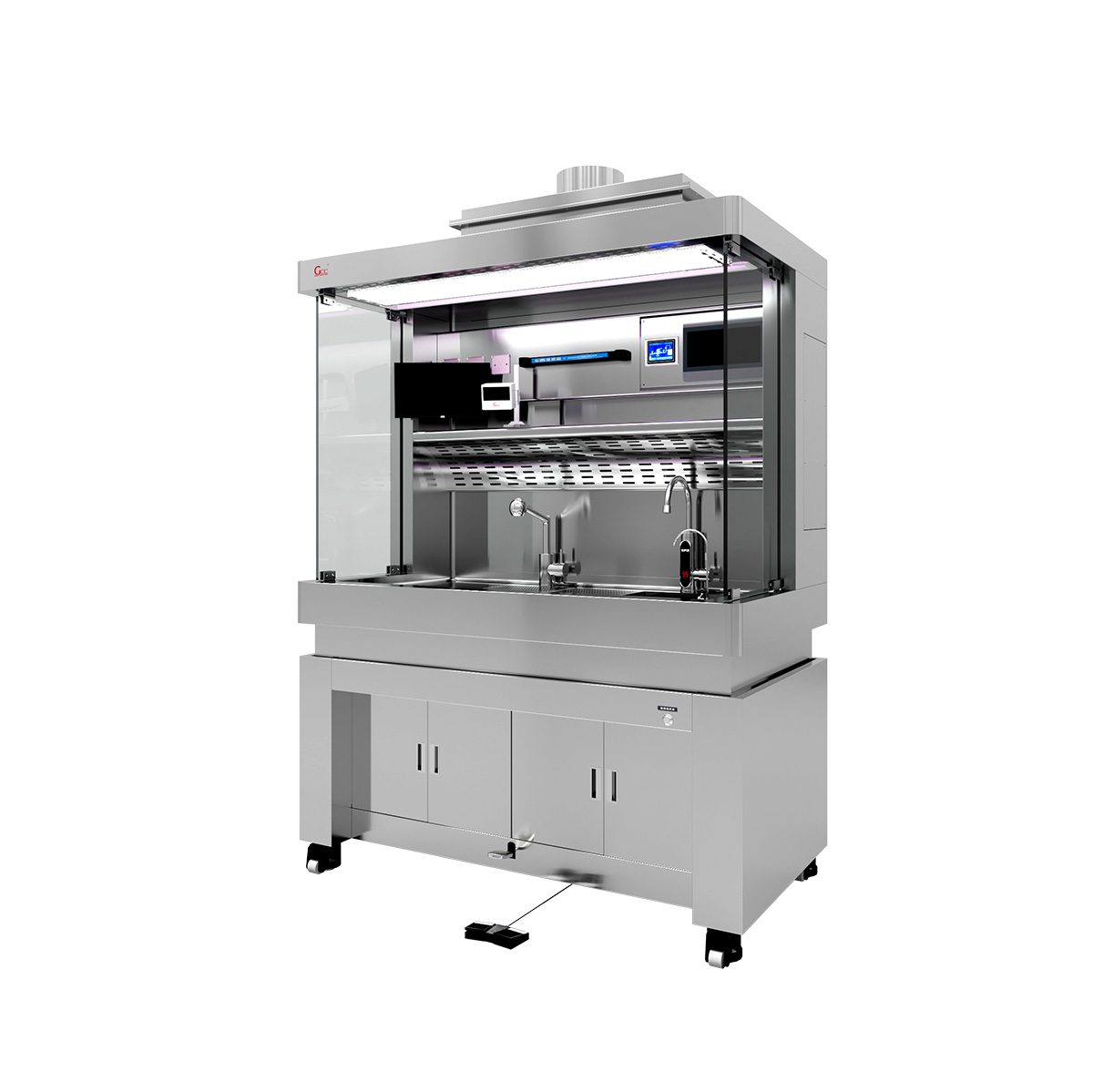
How Much Does a Grossing Station Cost?
The price of a pathology grossing station varies depending on its size, material, ventilation system, and optional features. In the international market, typical price ranges are:
| Grossing Station Type | Typical Price (USD) | Suitable For |
| Basic Single-Person Grossing Station | $3,000–$6,000 | Small pathology labs |
| Standard Hospital Grossing Station | $6,000–$10,000 | Hospitals & diagnostic centers |
| Dual-Person Grossing Station | $9,000–$15,000 | High-volume pathology laboratories |
| Customized Digital Grossing Station | $12,000–$25,000+ | Research institutes & teaching hospitals |
Prices vary according to specifications, customization requirements, and shipping destination.
What Affects Grossing Station Price?
Several factors determine the overall cost of a grossing station.
1. Material Quality
High-quality pathology grossing stations are typically manufactured from 304 stainless steel, providing excellent corrosion resistance, easy cleaning, and a long service life.
Lower-cost models may use thinner steel or lower-grade materials, which can reduce durability over time.
2. Ventilation & Safety System
One of the most critical components is the ventilation system.
A professional grossing station should include:
Negative pressure exhaust
High-efficiency airflow design
Formalin vapor extraction
Activated carbon or filtration options
External duct connection
A superior ventilation system improves laboratory safety and protects operators from hazardous chemical exposure.
3. Sink Configuration
Different laboratories require different sink designs.
Options include:
Single sink
Double sink
Large pathology sink
Water spray system
Hot & cold water control
More complex plumbing systems generally increase equipment cost.
4. Adjustable Working Height
Modern pathology laboratories increasingly prefer electric height-adjustable grossing stations.
Benefits include:
Improved ergonomics
Reduced operator fatigue
Better comfort during long working hours
Although height adjustment increases the purchase price, it significantly improves user experience.
5. Imaging & Documentation System
Some advanced grossing stations include:
HD camera
Image capture
Barcode scanner
Voice recording
Digital pathology integration
These features improve specimen documentation and workflow efficiency but also increase equipment cost.
Which Grossing Station Fits Your Budget?
Budget Under $6,000
Suitable for:
Small hospitals
Private pathology laboratories
Universities
Veterinary laboratories
Recommended features:
Single operator
Standard sink
LED lighting
Basic ventilation
Budget Between $6,000–$10,000
Ideal for:
General hospitals
Regional pathology centers
Medium-volume laboratories
Recommended configuration:
Larger workspace
Better airflow
Water spray system
More storage
Optional camera preparation
This price range offers the best balance between performance and cost.
Budget Above $10,000
Recommended for:
Large hospitals
Teaching hospitals
Cancer centers
High-throughput pathology laboratories
Typical features include:
Dual workstations
Electric height adjustment
Digital imaging system
Intelligent control panel
Customized accessories
Although the initial investment is higher, these models deliver greater productivity and lower operating costs over the long term.
Buying Tips Before Ordering
Focus on Total Cost of Ownership
The purchase price is only part of the investment.
Consider:
Equipment lifespan
Maintenance costs
Replacement parts
Energy consumption
Service support
A higher-quality grossing station often provides better long-term value than a cheaper alternative.
Choose a Manufacturer with OEM & Customization Experience
Every pathology laboratory has different requirements.
Look for manufacturers that offer:
Customized dimensions
Left/right sink configurations
Different ventilation options
Camera integration
Laboratory furniture matching
Customization helps maximize workspace efficiency.
Verify International Certifications
Before purchasing, ensure the manufacturer can provide:
CE certification
ISO quality management
Export experience
Technical documentation
Installation support
These factors help ensure product quality and smooth international delivery.
Why Choose GCC Pathology Grossing Stations?
GCC specializes in manufacturing high-quality pathology laboratory equipment for customers worldwide.
Our grossing stations feature:
304 stainless steel construction
High-efficiency negative pressure ventilation
Ergonomic workstation design
LED lighting system
Water spray cleaning system
Flexible customization options
OEM & ODM manufacturing
Global export experience
Whether you require a compact workstation for a small laboratory or a fully customized dual-person pathology workstation, GCC can provide a solution tailored to your workflow and budget.
Request a Custom Quote
Because every laboratory has unique requirements, the final grossing station price depends on your preferred configuration, dimensions, accessories, and shipping destination.
If you are planning a new pathology laboratory or upgrading existing equipment, our engineering team can recommend the most suitable solution based on your budget and application.
Contact GCC today to receive:
A customized quotation
Product catalog
Technical specifications
CAD drawings
OEM/ODM consultation
Our team is committed to providing reliable pathology equipment with competitive factory-direct pricing for customers worldwide.